The Cartagena Facility: Spain’s Fourth Largest Port and a Hub for Liquid Bulk Cargo
Date Published: 23/06/2026
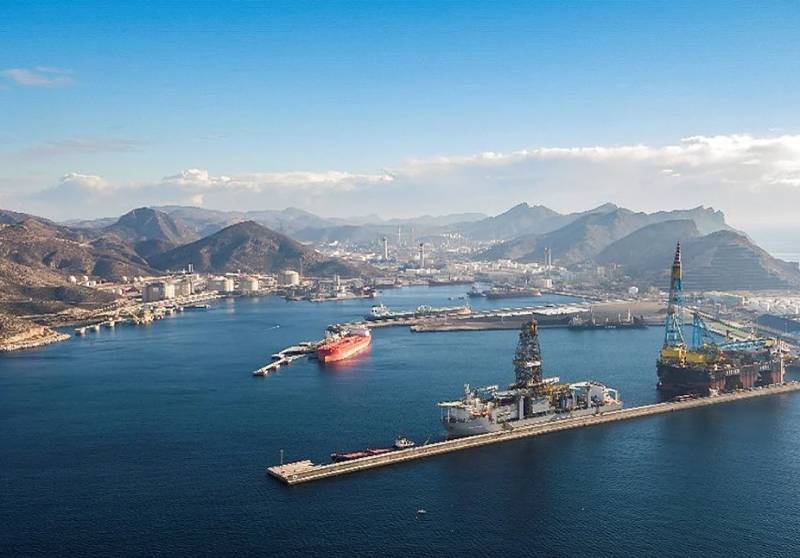
The Port of Cartagena is making headlines as it solidifies its position as Spain’s fourth largest port and the second most significant for liquid bulk cargo. This strategic maritime hub is set to undergo a significant transformation with a €27.6 million investment aimed at expanding the Escombreras basin. This initiative is not just about numbers; it represents a vital step toward enhancing maritime traffic capacity and bolstering the logistics framework of the region.
A Major Investment for Expansion
On June 23, the Council of Ministers is expected to approve this substantial investment, which is part of Cartagena’s ambitious port investment plan for 2025 to 2029. This plan outlines over €350 million in infrastructure spending over the next five years, focusing on upgrades across docks, logistics systems, and operational capacities. The expansion of the Escombreras basin is a critical component of this plan, designed to accommodate the increasing demands of liquid bulk traffic.
The Need for Upgraded Facilities
The Ministry of Transport and Sustainable Mobility has highlighted the necessity for these upgrades due to the rising volume of liquid bulk traffic handled by the port in recent years. The existing facilities require modernization to meet the demands of contemporary shipping practices, which call for more specialized and flexible berthing arrangements.
The berth in question, constructed in 2004, was designed to accommodate tankers of up to 315,000 deadweight tonnes. It features two parallel berths, E-19 and E-20. While E-20 is currently operational and managed by Repsol, E-19 has remained unused since its inception, originally intended for very large vessels.
Enhancing Operational Flexibility
The planned upgrades will adapt E-19 to handle smaller vessels, thereby increasing the port’s operational flexibility. Once completed, the facility will be capable of accommodating either two vessels between 6,000 and 20,000 deadweight tonnes simultaneously or a single vessel ranging from 30,000 to 315,000 deadweight tonnes. This adaptability is crucial for optimizing daily operations and meeting the diverse needs of shipping companies.
The project will involve constructing a continuous berthing line of approximately 300 meters, with a usable draught of 25.85 meters. This will be achieved through the installation of six new caissons integrated into the existing structure at Front E-19.
The Horizon 2030 Initiative
This investment is part of a broader initiative known as ‘Horizon 2030,’ which was presented by Minister Óscar Puente at the end of the previous year. The initiative outlines over €7 billion in investments for the state-owned port system from 2025 to 2029. The goal is to enhance the competitiveness of these strategic infrastructures and stimulate growth in the maritime sector.
Navigating Recent Challenges
Despite its strategic importance, the Port of Cartagena has faced fluctuations in traffic in recent months. Cargo volumes dropped by 11.7% between January and May of last year, a decline that exceeds the national average. This downturn is largely attributed to instability in global trade, which has affected ports worldwide.
Nevertheless, Cartagena remains a pivotal player in Spain’s maritime landscape. It is not only the fourth largest port in the country but also the second most important for liquid bulk cargo, which includes essential commodities like oil and liquefied natural gas. The port is also expanding its container and agri-food operations, while cruise passenger numbers have seen a notable increase in recent years.
Conclusion
The ongoing developments at the Port of Cartagena signify a commitment to enhancing its infrastructure and operational capabilities. As Spain’s fourth largest port, it plays a crucial role in the nation’s logistics and maritime sectors. The upcoming expansion of the Escombreras basin is a testament to the port’s strategic importance and its potential for future growth.