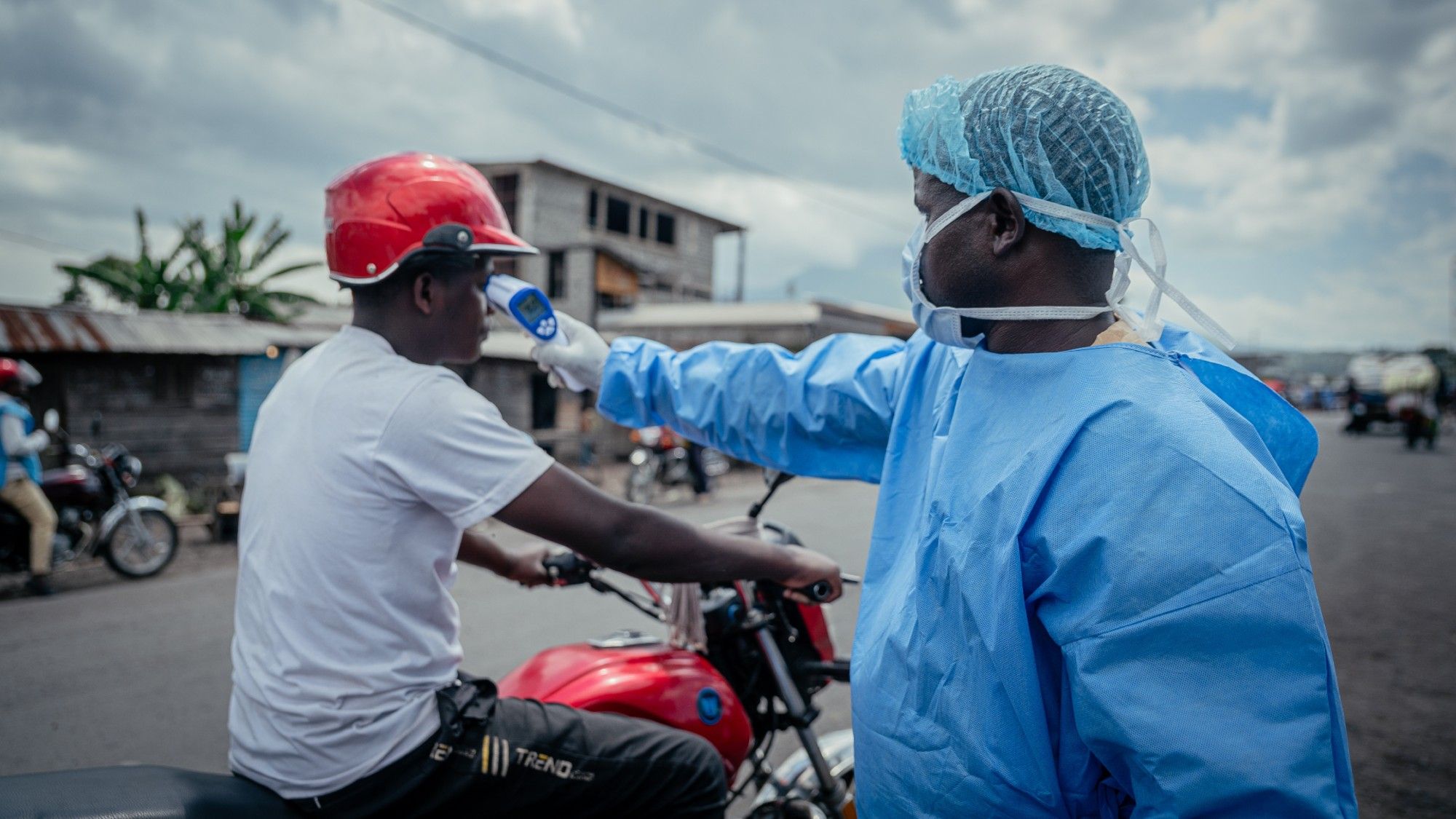
‘I Witnessed Our Ebola Response in 2014. We Are Now Seeing the Costs of US Aid Withdrawal.’
In the wake of the current Ebola epidemic, Elizabeth Shackelford, writing for the Chicago Tribune, reflects on the lessons learned from the 2014 Ebola outbreak and the implications of recent U.S. foreign aid policies. The withdrawal from the World Health Organization (WHO) during the second term of President Donald Trump, coupled with significant cuts to foreign aid and a reduction in global health staff, has left the world more vulnerable to epidemics.
The 2014 Ebola Outbreak: A Turning Point
The 2014 Ebola outbreak in West Africa was a pivotal moment in global health. The U.S. response, characterized by rapid mobilization and significant investment, showcased the importance of international cooperation in combating infectious diseases. Health workers, scientists, and government officials came together to contain the outbreak, ultimately saving countless lives. Shackelford emphasizes that this collaborative effort was not just a U.S. initiative; it was a global response that highlighted the interconnectedness of health security.
The Impact of U.S. Withdrawal from the WHO
Shackelford argues that the U.S. withdrawal from the WHO has severely undermined the organization’s capacity to respond effectively to global health crises. The WHO is the primary institution equipped to coordinate international responses to epidemics. By withdrawing funding and expertise, the U.S. has not only weakened the WHO but has also diminished the global health infrastructure that is crucial for early detection and response to outbreaks.
Cuts to Foreign Aid: A Dangerous Precedent
The massive cuts to foreign aid have further exacerbated the situation. Foreign aid plays a critical role in supporting health systems in developing countries, particularly in regions that are most susceptible to outbreaks. Shackelford points out that these cuts have led to a reduction in essential health services, making it more challenging for countries to prepare for and respond to health emergencies. The consequences of these decisions are now becoming evident as new outbreaks emerge.
The Erosion of Global Health Staff
In addition to funding cuts, the gutting of global health staff has left a significant gap in expertise and capacity. Health professionals who once worked on the front lines of epidemic response have been laid off or reassigned, diminishing the ability of countries to manage health crises effectively. Shackelford highlights that this loss of human capital is particularly detrimental in a world where infectious diseases know no borders.
The Broader Implications for Global Health Security
The current Ebola epidemic serves as a stark reminder of the fragility of global health security. Shackelford warns that the withdrawal of U.S. support not only affects the immediate response to outbreaks but also has long-term implications for global health governance. The lack of U.S. leadership in international health initiatives can lead to a vacuum that may be filled by less reliable actors, further complicating global health efforts.
A Call for Re-engagement
In light of these challenges, Shackelford advocates for a renewed commitment to global health. She emphasizes the need for the U.S. to re-engage with the WHO and restore funding for foreign aid programs that support health systems worldwide. By investing in global health, the U.S. can help build resilience against future epidemics and ensure that the lessons learned from past outbreaks are not forgotten.
Conclusion: The Cost of Inaction
As the world grapples with the current Ebola epidemic, the costs of U.S. aid withdrawal are becoming increasingly apparent. Shackelford’s insights serve as a crucial reminder of the importance of international cooperation and investment in global health. The decisions made today will shape the future of health security for generations to come.