Public Sentiment in Europe on US and Israel’s Strikes on Iran
Date: 07 March 2026
In recent weeks, the geopolitical landscape has shifted dramatically following the US and Israel’s military strikes on Iran. As tensions escalate, public opinion across Europe reveals a significant opposition to these actions, reflecting a complex interplay of national sentiment and international relations.
Public Opinion in Spain
A rapid poll conducted by the Madrid-based research firm 40dB for El Pais and Cadena SER radio highlights a strong rejection of the military intervention in Spain. Approximately 68% of respondents oppose the US and Israel’s attacks on Iran. This sentiment is echoed in the public’s support for the Spanish government’s cautious stance, with 57% favoring the decision not to provide military support to the US and Israel.
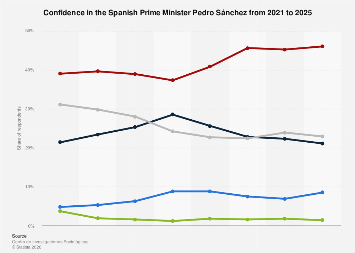
Moreover, 53% of Spaniards believe that the US should not utilize military bases in Spain for operations related to the conflict. Prime Minister Pedro Sanchez’s handling of the crisis garners mixed reviews, with 42% approving of his approach. Notably, nearly 80% of respondents express concern about the ongoing developments, indicating a populace deeply engaged with the unfolding situation.
Insights from Italy
Italy mirrors Spain’s sentiments, as a poll by YouTrend for Sky TG24 reveals that 56% of Italians oppose military intervention against Iran. The divide in opinion is particularly pronounced along political lines; while 57% of center-right voters support the strikes, a substantial 79% of center-left voters are against them.
The Italian public appears to favor a neutral stance, with 48% advocating for the government to act as a mediator between conflicting parties. Additionally, 29% of respondents call for an immediate condemnation of the attacks and a ceasefire, showcasing a desire for diplomatic solutions over military engagement.
Germany’s Perspective
In Germany, a survey published by public broadcaster ARD reveals a significant lack of trust in the US and Israel. A striking 58% of respondents deem the military actions unjustified. Concerns about the potential for the conflict to escalate are prevalent, with 75% expressing fears that it could spread to other nations.
Trust in the US has plummeted to 15%, marking the lowest level in two decades, while only 17% of Germans view Israel as a reliable partner. The overwhelming sentiment suggests a growing belief that global politics is increasingly governed by a “might makes right” mentality, with 85% of respondents agreeing with this perspective.
The UK’s Reaction
In the UK, public sentiment is similarly cautious. Polls conducted by YouGov indicate that 49% of Britons oppose the strikes on Iran, with only 28% expressing support. The use of Royal Air Force bases for US operations is also met with skepticism; a survey conducted shortly after the strikes found that 58% of respondents were against such use, even when limited to missile targets, where opposition still stood at 50%.
The political landscape is fraught with criticism for Prime Minister Keir Starmer, as 47% of respondents believe he has mishandled the situation, while only 34% feel he has managed it well. This reflects a broader unease among the British public regarding the government’s foreign policy direction.
Escalating Tensions and Human Cost
The backdrop to these public sentiments is the tragic human cost of the conflict. The joint US-Israeli airstrikes, which commenced on February 28, resulted in the deaths of over 1,000 individuals, including high-profile figures such as Supreme Leader Ali Khamenei and numerous civilians, including over 150 schoolgirls. The ensuing instability has led to retaliatory attacks from Tehran against US-linked sites across the region, further complicating an already volatile situation.
As Europe grapples with the implications of these military actions, the prevailing public opinion reflects a desire for peace and diplomacy over conflict. The voices of the people across Spain, Italy, Germany, and the UK resonate with a call for caution and a reevaluation of military strategies in favor of dialogue and mediation.