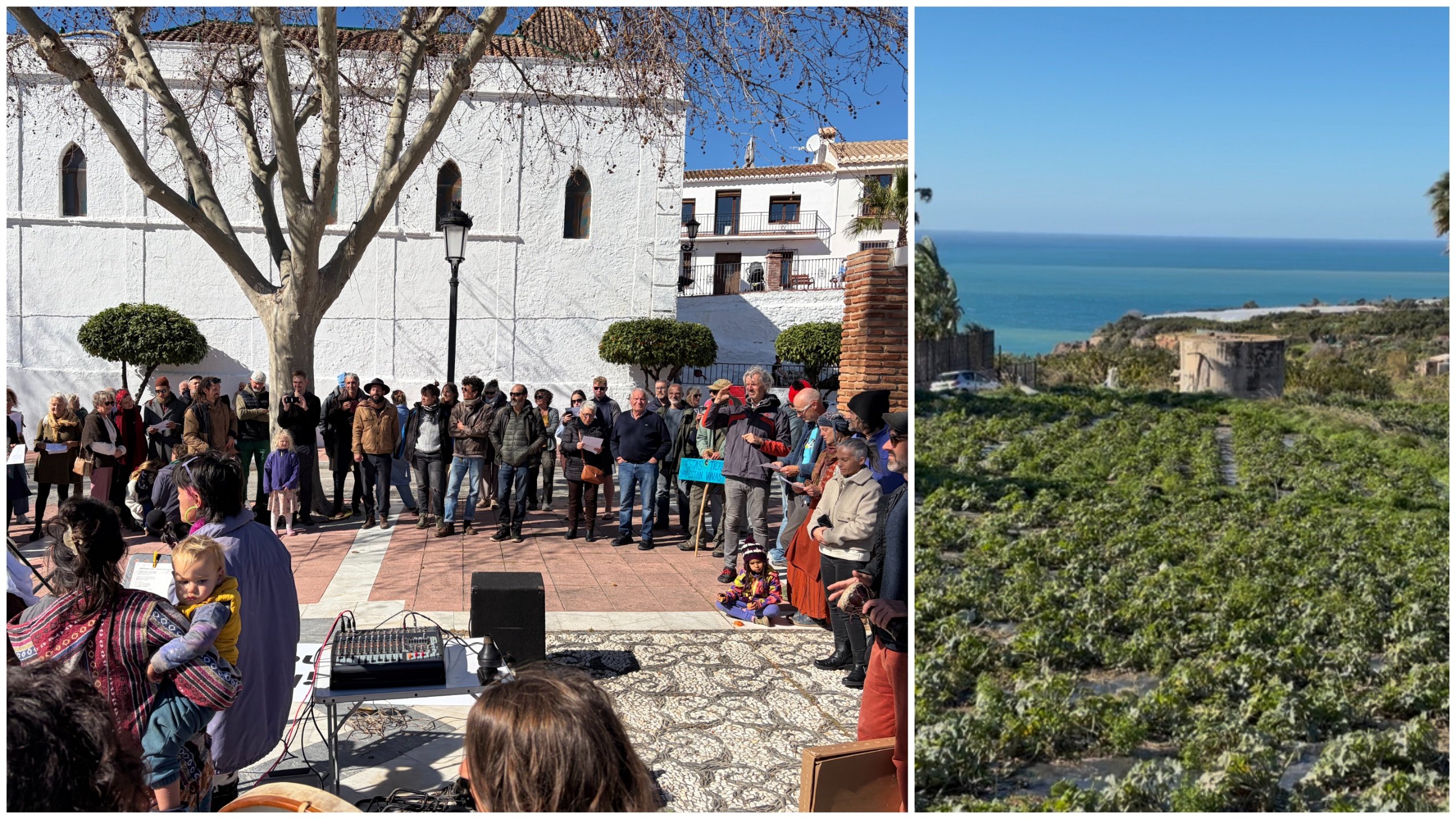
Protest Against Maro Golf: A Clash of Development and Preservation in Southern Spain
The Heart of the Protest
In a striking display of unity, dozens of expats have joined local farmers and residents in southern Spain to protest against a controversial plan to construct a golf course on pristine coastland. The proposed development, known as ‘Maro Golf,’ is spearheaded by Sociedad Azucarera Larios, a wealthy landowner and developer. This initiative threatens to displace hundreds of farmers in Malaga province, igniting fierce opposition from the community.
Voices of Dissent
The demonstrators gathered in Maro, east of Malaga city, brandishing placards with slogans like “more farms, less concrete” and “save nature.” Their message was clear: they are determined to protect their land and livelihoods from what they perceive as corporate greed. The protest was not just a local affair; it attracted expats who have made southern Spain their home, highlighting the widespread concern over the potential environmental and social impacts of the project.
The Impact on Local Farmers
The proposed golf course and accompanying luxury resort, which includes around 680 villas and three large hotels, threatens to uproot over 80 families who have lived and farmed in the Vega de Maro for generations. Protest organizer Oscar Lobo, representing the farmers’ group Asociación por Maro y su Agricultura, expressed frustration over the situation, stating, “They need us out of the way to move on with the project.” This sentiment resonates with many locals who feel their voices are being ignored in favor of profit-driven development.
Recent Developments and Demolitions
The urgency of the protest was underscored by recent demolitions carried out by Larios. At least three properties in the Vega have been torn down in the past two months, following the announcement that the company would terminate approximately 450 long-standing leases in the area. Eyewitness accounts revealed that one of the demolished homes still contained a tenant’s belongings and even pets, raising ethical concerns about the manner in which these evictions are being conducted.
Regulatory Hurdles
Despite the fervor of the protests, Larios faced a setback when Nerja town hall announced that the land could not be immediately reclassified for development under current regulations. This decision has provided a glimmer of hope for the protesters, but many remain skeptical. Locals fear that Larios will simply submit a revised proposal that aligns with the new land-use rules, allowing the project to move forward.
The Bigger Picture
The implications of the Maro Golf project extend beyond the immediate displacement of families. Environmental groups, including Greenpeace and Ecologistas en Acción, have voiced strong opposition, arguing that the development could jeopardize the fragile ecosystem of Maro and exacerbate existing water shortages in the region. A spokesperson from Greenpeace emphasized the importance of prioritizing food production over luxury developments, stating, “If we have to choose between food production and a golf course, we stand with agriculture.”
A Community’s Resilience
As the protests continue, local farmers remain resolute in their fight against the development. Valerie Del Bosque, a farmer who has lived in Maro for 26 years, articulated the community’s sentiments: “Tourists come here precisely because this coastline remains unspoiled. It is a place where people live in harmony with nature.” Her words encapsulate the essence of the protest—a desire to preserve the natural beauty and agricultural heritage of the region.
Future Uncertainty
As the situation unfolds, the future of the Maro Golf project remains uncertain. While the recent town hall meeting has temporarily stalled progress, many locals believe that Larios will find a way to push through its plans. The community is prepared to continue its fight, aware that the stakes are high—not just for their homes, but for the environment and the future of agriculture in the region.
A Call to Action
The protests in Maro serve as a poignant reminder of the ongoing struggle between development and preservation. As the community rallies together, their voices echo a broader call for sustainable practices that respect both the land and the people who depend on it. The outcome of this conflict will undoubtedly shape the future of southern Spain’s coastline and its agricultural landscape for years to come.