Concerns Over Tourism’s Impact on the Canary Islands: A Call for Action
Canary Islands and Environmental Rights
Recently, Podemos Canarias, a political party advocating for various social and environmental rights, presented a comprehensive report to Astrid Puentes, the UN Special Rapporteur on Human Rights and the Environment. This report addresses what the party describes as the “serious social, ecological, and territorial deterioration” caused by the tourism industry in the Canary Islands. The implications are far-reaching, potentially leading to significant sanctions against both local and national governments for neglecting environmental stewardship.
The Presentation of Evidence
Noemí Santana, the Secretary General of Podemos Canarias and a congresswoman, reported that this formal complaint was made in Geneva last week. Her intention is for the rapporteur to visit the islands to witness firsthand over 100 reported environmental violations. These range from illegal waste disposal to the degradation of cultural heritage sites, putting immense pressure on local ecosystems and communities.
Wider Implications for Community and Economy
The Podemos leader expressed concern about how unchecked tourism is not just an ecological issue; it’s an economic one too. The report highlights an increase in precarious employment conditions within the tourism sector, where many locals find themselves struggling due to rising costs and a housing crisis fueled by short-term rentals aimed at tourists. Housing, largely converted into vacation homes, has turned into a source of significant concern for islanders.
A Spotlight on Major Projects
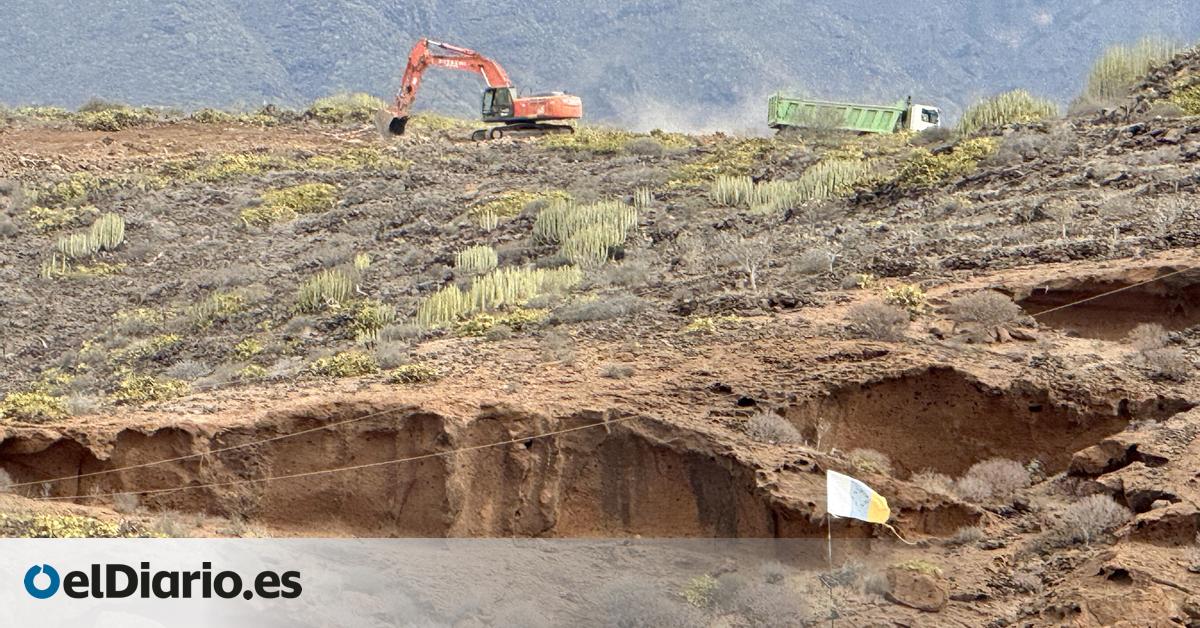
Additionally, the report sheds light on controversial tourism projects, such as the Cuna del Alma mega-resort in southern Tenerife. This location contains remnants of indigenous archaeological sites, raising alarms about cultural erasure and environmental destruction. Another issue highlighted is the development of new tourist complexes in Mogán, Gran Canaria, and the ongoing damage to the Corralejo Dunes in Fuerteventura. The overarching theme appears to be that those accountable for these environmental infractions have faced minimal legal or financial repercussions.
Political Accountability and Grassroots Advocacy
To address these alarming developments, Santana emphasized that their party had sought every avenue to make local authorities aware, including municipalities, island councils, the autonomous community, and even the central Spanish government and the European Union. She stressed the need to hold political leaders responsible for permitting “environmental assaults” in the Canary Islands, reflecting a growing frustration among citizens.
Economic Disparity and Exploitation
Gemma Martínez, councilwoman for Strategic Development and Sustainability in Las Palmas, added another layer of complexity to the discussion. She described the tourism sector in the Canary Islands as an “extractive industry,” criticizing political entities with colonialist mindsets. According to Martínez, the tourism focus benefits outside interests while neglecting local communities, emphasizing residents’ rights to clean environments, water, and protection of their cultural heritage.
Comparative Insights in Global Tourism
Martínez drew stark comparisons to other countries, noting Brazil, which possesses a landmass 17 times greater than Spain yet attracts significantly fewer tourists. She questioned the rationale of pushing for increasing tourist numbers at events like the International Tourism Fair in Madrid while advocating for a moratorium on tourism in the islands, citing a need for more sustainable and quality tourism practices.
A Call for Sustainable Tourism Practices
The overarching sentiment from local leaders is a strong desire for a shift towards sustainable tourism that respects both the environment and cultural heritage. “The archipelago has its limits,” Santana underscored, reflecting a commitment to a balance between economic benefits and environmental protection.
Legal Frameworks for Environmental Protection
In closing, the conversation within Podemos and among local authorities revolves around existing laws—national, international, and European—designed to protect the environment and coastal waters. There is a growing call for these regulations to be effectively enforced to safeguard the ecological integrity of the Canary Islands, urging a collective responsibility for preservation.
As the conversation continues, there’s a palpable need for awareness and action to ensure that the unique beauty and cultural richness of the Canary Islands are maintained without compromising the rights and livelihoods of its residents.