The Italian Community in Fuerteventura: A Slice of La Dolce Vita
Fuerteventura, one of the picturesque Canary Islands, has become home to a vibrant Italian community. As of the latest census, there were 7,493 Italian inhabitants on the island, making up approximately 6.6% of the local population. The municipality of La Oliva hosts the majority of these residents, specifically in Corralejo, a bustling tourist hub. This article dives into the unique experiences, contributions, and challenges faced by Italians living in Fuerteventura.
Economic Contributions and Integration Efforts
The Italian community has significantly influenced the local economy, primarily through the hospitality and sports sectors. Their entrepreneurial spirit is evident in various establishments, from restaurants to sports facilities. However, there’s a conversation brewing among this community about forming a political party to represent their interests in upcoming elections. While some embrace the idea, seasoned residents caution against it, fearing it may create unnecessary divides between Italians and locals. They emphasize the importance of meaningful integration, built on years of harmonious coexistence.
Personal Stories: Making a Home
Fabrizio Sisti Leoni is one of the many Italians who found his way to Corralejo by chance eight years ago, seeking solace from the political turmoil in Italy. He recalls his first visit as a vacationer and felt an immediate connection to the island. Fabrizio, having invested in a self-service laundry business, is now fully engaged in local life. His children have adopted Spanish, which he attributes to their immersion in the culture and language. Fabrizio’s journey illustrates not only individual adaptation but also the broader narrative of Italian integration.
Community Life and Challenges
Fabrizio actively fosters relationships with locals, often visiting nearby bars and multicultural eateries. He feels a strong connection to Corralejo, stating, “It’s now our home,” dismissing any urge to return to Italy. He acknowledges, however, that some Italians remain resistant to integration. He advocates for measures that help newcomers find their footing, especially language classes, which he believes are crucial for successful integration.
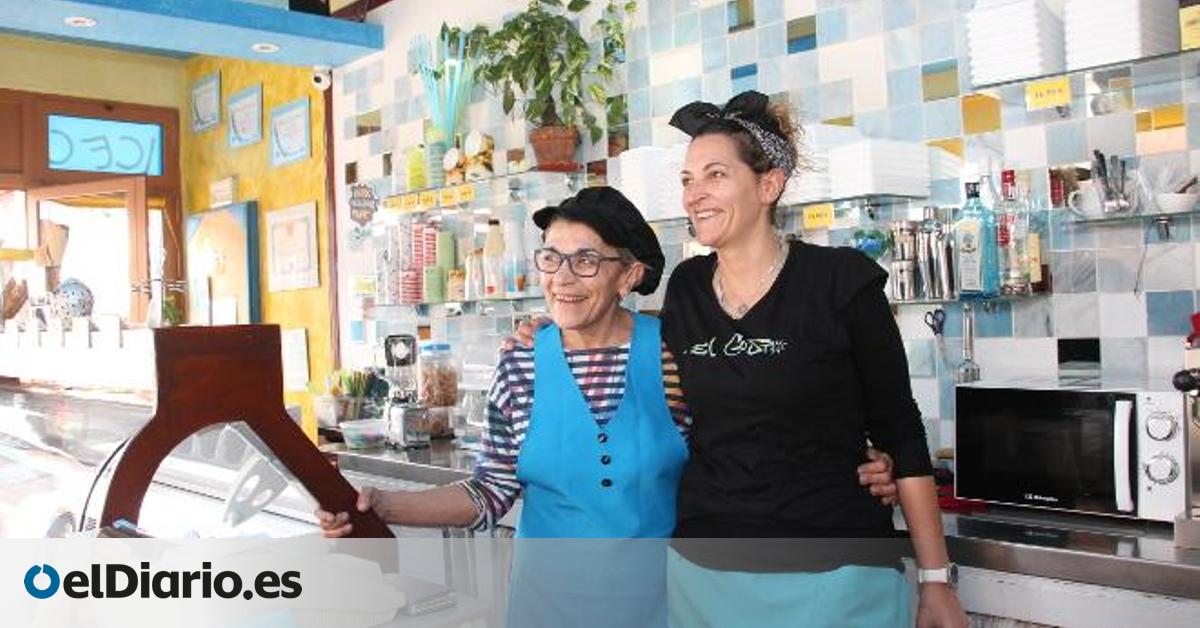
Another significant voice in the community is Silva Buonavita, who, along with her husband, owns the renowned ice cream shop El Gusto. Silva recounts the early days when the Italian population in Corralejo was smaller and fewer opportunities existed. She highlights that the soaring number of migrants stems from factors like better living conditions and lower taxes compared to Italy. Silva also echoes the sentiment that housing shortages are becoming a pressing issue, particularly for young families seeking affordable options.
The Importance of Language
Language remains a pivotal element for integration. Fabrizio emphasizes that Spanish classes for immigrants are scarce and suggests dynamic learning methods that facilitate language acquisition. Silva further adds that learning the local language is essential for understanding and connecting with the community. She encourages newcomers to embrace language learning, stating that it is a vital step towards integration.
Political Stance and Representation
Political representation has emerged as a divisive topic among Italians in Fuerteventura. While some feel the need for a political entity to voice their concerns, others, like Verónica, argue that such an approach could lead to the same issues seen in Italy—factions and division. She believes in maintaining the connections with the local populace and cherishing the warmth embedded in Fuerteventura’s culture.
Diverse Experiences Across the Island
In Puerto del Rosario, Natacha Mazzotti speaks of her family’s journey in opening a pizzeria after moving to the island in 2006. Her children blend seamlessly into the community, embodying the concept of integration through shared experiences with locals. While she maintains her Italian roots by teaching them their native language, she also appreciates the friendships formed with locals.
Life in El Cotillo
El Cotillo’s blend of tranquility and community spirit has attracted many Italians. Verónica, who escaped the chaos of Italy for peace, notes the attractive factors leading to significant migration, including political instability and high taxes at home. Despite the charm of the island, she acknowledges that her initial escape for tranquility has been challenged in recent years due to increasing population pressure.
Challenges of Youth and Housing
The rise in Italian migration has not come without challenges, particularly for the younger generation. Isabella, who moved to Fuerteventura at 26, notes the struggles of finding affordable housing and job security. The sudden influx of newcomers has intensified competition for residency, complicating the dreams of those hoping to settle on the island.
In this vibrant Italian enclave of Fuerteventura, the mingling of cultures, shared experiences, and unique challenges continue to shape the community. Each story, from seeking solace to achieving dreams, underscores the resilient spirit of those who have made the island their home. Through language, integration, and mutual respect, the Italian community contributes to the dynamic fabric of Fuerteventura, creating a diverse mosaic of cultural enrichment.