Spain’s New Food Waste Law: A Game Changer for Restaurants and Consumers
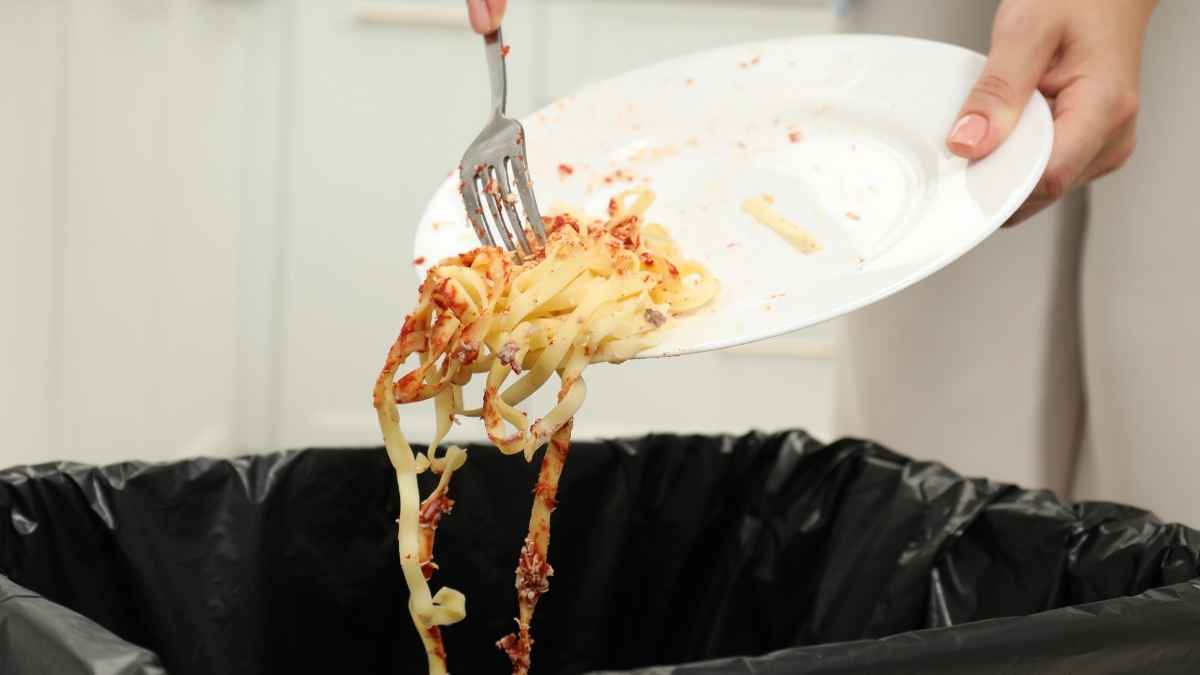
Since April 5, 2023, Spain has taken a bold step in the fight against food waste with the introduction of a new law that mandates how restaurants, cafes, bakeries, and supermarkets handle food leftovers. This legislation requires establishments to offer customers the option to take home uneaten food at no extra charge, complete with the necessary packaging. The aim? To significantly reduce the amount of food that ends up in landfills and to foster new consumer habits around food consumption.
Scope of the Law
The law applies to all food service and retail businesses across Spain, impacting not just the establishments but also the end consumers. The primary goal is to ensure that food leftovers are not simply discarded but are repurposed for new uses. Staff members are permitted to use surplus food for their own needs, and when that’s not feasible, the law encourages donations to charities. If neither option is viable, businesses can sell the food at reduced prices or process it through special channels.
Liability and Penalties
The stakes are high for businesses that fail to comply with the new regulations. Penalties can range from €2,000 to a staggering €500,000, depending on the severity of the violation and the size of the business. According to RUSSPAIN.COM, these financial repercussions are likely to compel even the largest chains to reassess their internal processes. Interestingly, many establishments had already begun implementing similar practices prior to the law’s enactment, driven by public demand and economic considerations.
Changes in Daily Operations
The introduction of this law is already reshaping the daily operations of food businesses. Restaurant owners have reported an uptick in customer requests for takeaway options, with staff actively promoting this service. Some establishments have even introduced special deals, such as offering three containers of leftover dishes for a fixed price. These initiatives not only help in minimizing waste but also serve to attract new customers.
In cities like Madrid, restaurants and cafes are providing customers with special containers for their leftover food. Bakeries and pastry shops are also adapting by holding end-of-day sales to reduce waste, selling off remaining products at discounted rates. Supermarkets are expanding their offerings of items nearing their expiration dates and products with minor defects, often discounting them by as much as 30%.
The Rise of Mobile Apps
As consumer habits shift, mobile apps that allow shoppers to purchase discounted product bundles are gaining traction in supermarkets. This trend not only helps consumers save money but also plays a crucial role in reducing food waste. According to RUSSPAIN, such services are increasingly popular among residents of major urban areas, reflecting a growing awareness of responsible consumption.
Social Implications and Future Outlook
The Food Loss and Waste Prevention Law is part of a broader movement toward responsible consumption and environmental consciousness. Authorities emphasize that these new regulations not only aim to combat wastefulness but also support low-income groups by channeling surplus food to social organizations. As these measures gain traction, they are expected to become standard practice in the industry.
The introduction of strict penalties and mandatory recycling procedures is prompting businesses to explore innovative solutions and partnerships. This shift not only benefits the environment but also bolsters the economy and provides consumers with more opportunities for responsible food use.
Comprehensive Regulatory Framework
Law 1/2025, which came into effect in April, marks Spain’s first comprehensive regulatory act aimed at preventing food loss. The legislation outlines clear obligations for businesses and establishes a multi-level oversight system. The primary focus remains on reducing waste, supporting charitable initiatives, and setting new service standards within the food and retail sectors.
By fostering a culture of responsibility around food consumption, Spain is not just addressing the immediate issue of waste but is also paving the way for a more sustainable future.


