Incident in Betancuria: A Case of Recklessness behind the Wheel
The scenic roads of Betancuria, Fuerteventura, a picturesque island in the Canary archipelago, are usually quiet and serene, but recent events have stirred concern regarding road safety. On a fateful day, authorities responded to an incident involving a 53-year-old man whose vehicle overturned after veering off the road. This incident initiated a deeper investigation by the Guardia Civil, highlighting issues related to driving under the influence and the subsequent evasion of legal responsibilities.
The Crash and Its Aftermath
Reported by the Traffic Detachment of the Guardia Civil in Puerto del Rosario, the accident occurred at kilometer 3.400 of the FV-320 highway. Upon arrival, officers discovered a damaged Ford Transit outside the boundaries of the road, but notably, there was no one present inside the vehicle. As officers assessed the situation, they began searching for the driver, concerned about potential injuries.
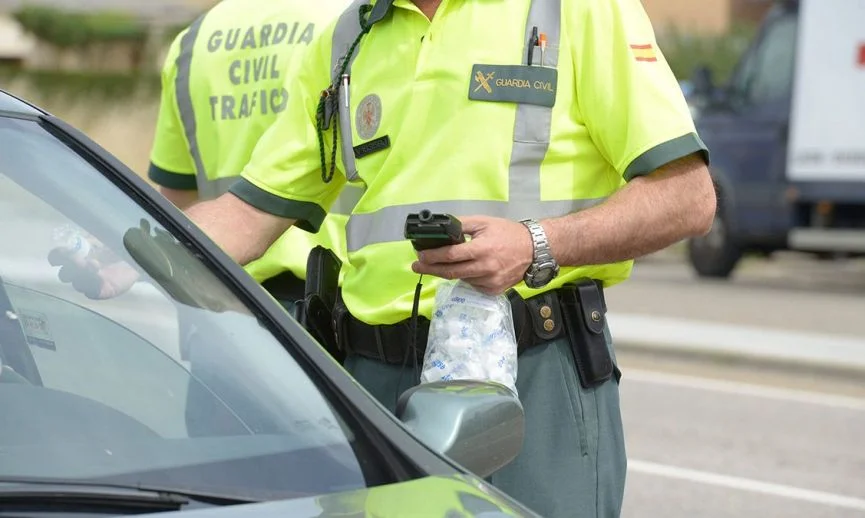
Following their search, authorities located the driver, who was identified as the sole occupant of the vehicle. During the initial investigation, he was subjected to a breathalyzer test, which revealed a concerning blood alcohol content of 0.61 mg/l. This reading signified a significant level of alcohol influence, raising alarms about his capability to operate the vehicle safely.
Refusal to Submit to Tests
The situation escalated dramatically when the driver refused to undergo a mandatory second breathalyzer test, a decision that carries serious legal ramifications. Under Spanish law, such refusal is not merely an administrative lapse; it is classified as a grave offense against road safety. The implications of his denial are profound, as it opens the door to criminal charges.
Legal Framework for Alcohol-Related Offenses
According to the Spanish Penal Code, particularly Article 383, the refusal to comply with legally established tests for alcohol and drug levels is treated as a penal offense. The law specifies that individuals found to have blood alcohol levels exceeding 0.60 mg/l in breath or 1.2 g/l in blood may face hefty penalties, including up to six months in prison and fines ranging from six to twelve months. Moreover, they risk losing their driving privileges for a period extending from one to four years.
In the case of refusal to undergo sobriety tests, the penalties escalate. Individuals face a potential prison sentence of six months to a year and may also lose their driving rights for a similar span of time. This criminal classification highlights the seriousness with which Spanish authorities treat the issue of impaired driving, signaling a commitment to road safety.
Implications for Road Safety
This incident underscores a critical issue regarding road safety in Fuerteventura and beyond. The combination of driving under the influence and the refusal to undergo sobriety testing poses substantial risks, not only to the offending driver but also to innocent road users. Each year, countless lives are affected by accidents stemming from impaired driving, making rigorous enforcement of road safety laws imperative.
The response of the Guardia Civil reinforces the importance of proactive measures and stringent legal frameworks. By conducting thorough investigations and imposing penalties, authorities aim to deter reckless behavior and protect communities from the dangers associated with alcohol consumption and driving.
Community Awareness and Responsibility
The incident serves as a wake-up call for the local community and visitors alike. It emphasizes the need for heightened awareness regarding the consequences of driving under the influence. Public safety campaigns highlighting the dangers of alcohol consumption and encouraging responsible driving behaviors can play a significant role in reducing such incidents.
Through education and community engagement, it is possible to cultivate a culture of accountability on the roads, fostering safer environments for all drivers. Ultimately, incidents like the one in Betancuria bring to light pressing concerns that require collective efforts to address the overarching issues of road safety.