Seismic Activity in Fuerteventura: A Recent Earthquake
On the night of May 31, 2026, residents of Fuerteventura experienced a minor earthquake that stirred the island’s usually calm atmosphere. The earthquake, measuring 2.5 on the Richter scale, struck off the northwest coast of the island. While it was not a massive quake, the reports from local residents illustrate the palpable tension and curiosity that accompany seismic activity in the region.
The Details of the Earthquake
At precisely 10:35 PM, the earthquake occurred approximately 4 kilometers beneath the surface, with coordinates indicating it was situated at a latitude of 28.47 degrees north and a longitude of 14.37 degrees west. The Instituto Geográfico Nacional (IGN) confirmed the details of the tremor, emphasizing that it was felt in several municipalities, including Betancuria, Vega de Río Palmas, and Chilegua in Pájara.
Residents reported hearing a “taponazo,” a loud bang akin to a pressure release, which broke through the background noise of their television sets. This description captures the experience of many locals during the event, reflecting the eeriness often associated with earthquakes, even when they are relatively minor.
Comparisons to Previous Seismic Events
While the quake of May 31 was minor, it drew comparisons to a more significant seismic event that occurred earlier in May. On the 22nd of that month, a 4.8 magnitude earthquake struck near Gran Canaria, causing notable tremors across Fuerteventura. Many residents recount vividly how “the ground moved beneath my feet,” a phrase that resonates deeply among those who feel such tremors. The stark difference in magnitude left many questioning the nature of seismic activity within the archipelago and its potential implications for safety and awareness among locals.
Community Reactions and Awareness
In Pájara, Antigua, and Betancuria, the community’s reactions revealed a blend of concern and curiosity. Residents acknowledged the emotional toll that frequent seismic activity can impose, regardless of magnitude. The recent tremors have brought to light the importance of earthquake preparedness discussions within local communities—an essential aspect of living in a region prone to geological activity.
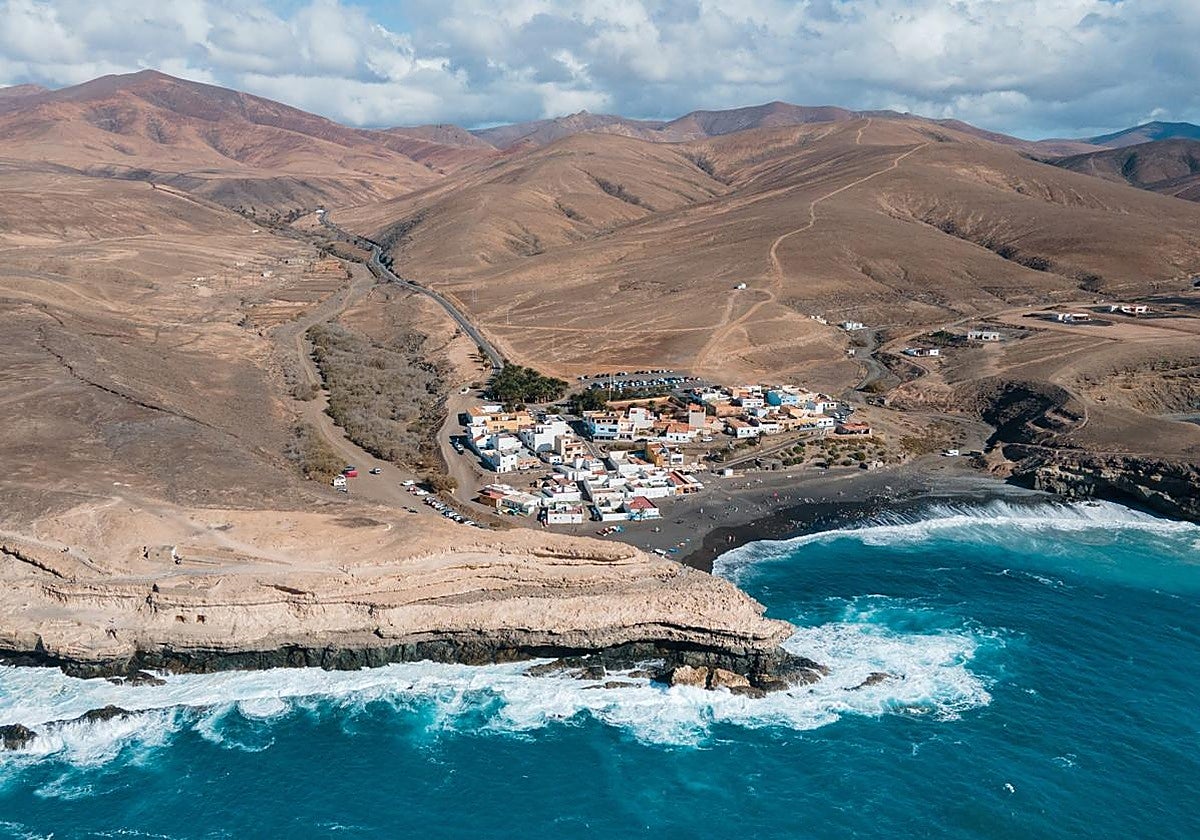
The thoughts shared by a resident of Ajuy encapsulate this sentiment: “No was no shaking of windows or furniture, but the sound felt significant enough to pay attention to.” This highlights the psychological aspect of living with the knowledge that the earth beneath their feet can change in an instant, altering daily life and peace of mind.
The Geological Context of Fuerteventura
Fuerteventura, one of the Canary Islands, is situated at the crossroads of several tectonic plates, making it susceptible to seismic events. The island’s geology plays a crucial role in understanding why earthquakes occur periodically. The unique positioning of the islands means that while volcanic activity may not always surface dramatically, the earth can still tremble sporadically.
Local authorities and the IGN continuously monitor seismic activity to provide timely updates and safety tips for residents. Understanding the geological context of the region can empower locals to maintain a level of preparedness that is both practical and reassuring.
The Path Forward
The recent earthquake serves as a reminder that, while Fuerteventura is known for its tranquil beaches and stunning landscapes, it is also a region shaped by dynamic geological forces. Ongoing dialogue about preparedness and awareness can ensure that residents feel equipped to respond to future seismic events, however minor they may appear.
As the community reflects on these recent occurrences, the collective experience paints a broader picture of life in a region where tranquility and the unknown coexist. Residents are reminded not to ignore minor tremors but rather to view them as a natural part of their island’s story—one that is rich with history and always evolving.