Ancient Connections: An Insight into the Rock Art of Fuerteventura and Lanzarote
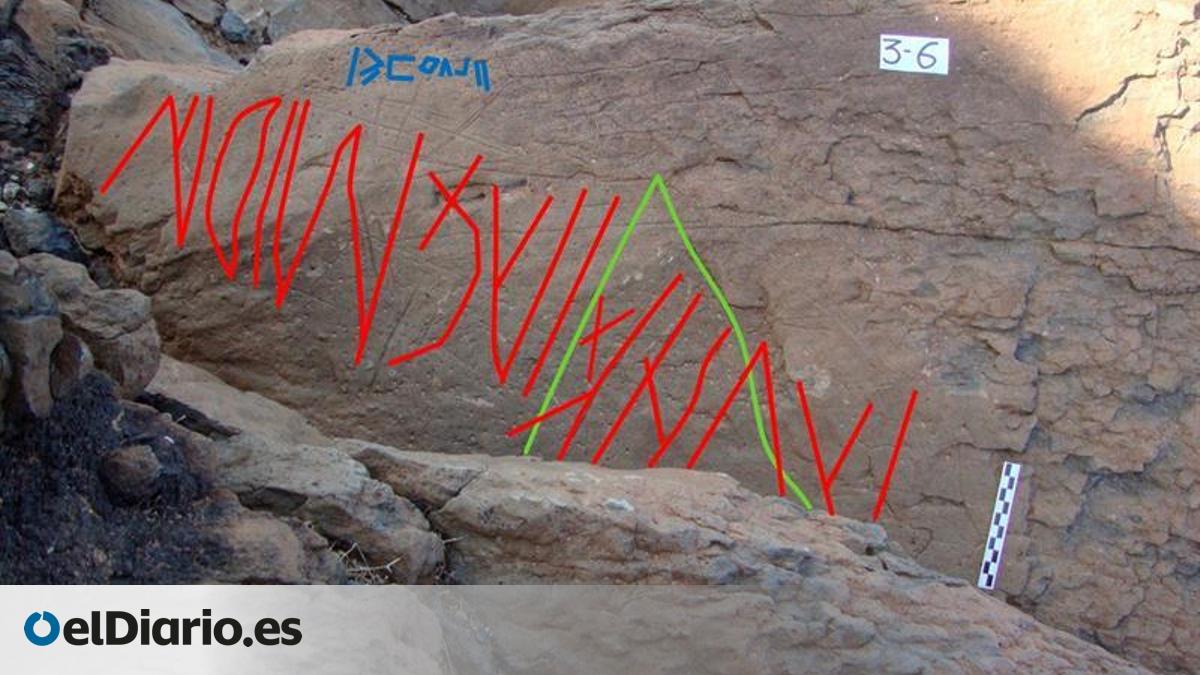
In the heart of the Canary Islands, two islands—Fuerteventura and Lanzarote—possess a captivating artifact that speaks not only to their history but also to their ancient connections with North Africa. Recent research has brought to light a rock engraving that mentions a clan member known as “Cemidán.” This ancient inscription sheds light on the language and cultural affiliations of the islanders, linking them to coastal groups from Numidia, an area that now encompasses parts of northeastern Algeria, Tunisia, and northwestern Libya.
Groundbreaking Research by Leading Archaeologists
The study of this significant rock art has been spearheaded by renowned archaeologists José Juan Jiménez, curator of the Archaeological Museum of Tenerife, and María Antonia Perera of the Cabildo of Lanzarote. Their findings were recently presented at the XVII Conference on Studies of Lanzarote and Fuerteventura in Arrecife. The duo’s presentations focused on the bialphabetic archaeological inscriptions found on these islands and their implications for understanding the settlement of the Canaries in ancient times.
The Link to Ancient Numidia
One of the striking conclusions from their work is the connection between the indigenous populations of Fuerteventura and Lanzarote and the ancient ethnic groups of north-central Africa. Numidia’s historical borders extend into Tripolitania, reinforcing the ties between the islands and African tribes. This research enriches our understanding of how ancient peoples traversed vast distances and established networks long before the modern era.
Decoding the Engravings: A Linguistic Journey
Among the fascinating finds is an inscription written in a script reminiscent of ancient scripts from North Africa. The phrase “IAWANT× IACEMIDAN” was discovered at Montaña Blanca in Fuerteventura. The phrase has significant implications, suggesting a clear linguistic relationship with what ethnohistorical sources refer to as “GUAYASEN SEMIDÁN” from Gran Canaria. This finding underlines a shared linguistic ancestry across the Canary Islands.
Ancient Clans and Family Lineage
The term deciphered by Jiménez translates to “son, descendant, or belonging to the Kemidan,” demarking a lineage tied to a clan of North African heritage associated with tribal leadership. The linguistics here are particularly revealing. The letters used in the engraving might seem foreign, but they tell a story—a story of ancestry, kinship, and tribal governance embedded in the fabric of ancient island life.
The Linguistic Nuances of the Inscription
The characters in “IAWANT× IACEMIDAN” are deeply telling. They showcase how phonetic elements differed from the Latin alphabet used in modern times. For instance, the “C” is pronounced as “K,” indicating a nuanced understanding of language that draws upon the island’s complex heritage. This indicates that even centuries ago, oral and written traditions were nuanced and sophisticated.
Historical Significance of Semidán
The term “Semidán” (or “Asemidán”) emerges frequently in chronicles of the conquest, indicating an indigenous familial branch of significant importance to governance on the islands. The repetition of this name points to a lasting legacy, suggesting that Semidán not only lived on in inscriptions but also contributed to the cultural identity of the people of Gran Canaria.
Migration and Settlement Patterns
According to Jiménez, the use of these dual alphabets—the Líbico-Latino and Líbico-Bereber—indicates that Fuerteventura and Lanzarote were settled by a tribe that became geographically isolated over time. This isolation led to unique adaptations to the island environment while maintaining strong ties to ancestral traditions.
Cultural Exchanges and Influences
The artwork reveals their simultaneous use of the two forms of writing and suggests that they were part of a wider cultural milieu that was influenced by Romanization in North Africa. The coexistence of these scripts illustrates a fascinating blend of influences, showcasing how cultures developed through contact and exchange over centuries.
Richness of the Inscriptions
The inscriptions found at various sites further reveal a wealth of information—tribal names, genealogies, deities, and social hierarchies—all inscribed in multiple languages. This suggests a highly organized society with intricate social relations and religious affiliations amongst its members.
Distribution of Writing Across the Canaries
Interestingly, while the Líbico-Latino script has only been found in Fuerteventura and Lanzarote, the Líbico-Bereber is more broadly distributed across the Canary Islands, with variations that highlight regional identities. Fuerteventura exhibits a notable prevalence of Líbico-Latino inscriptions compared to Lanzarote, showcasing divergent cultural practices and influences on the islands themselves.
Conclusion
Through a detailed examination of rock art and inscriptions, archaeologists are unveiling the rich tapestry of history within Fuerteventura and Lanzarote. These findings not only honor the legacy of ancient peoples but also enrich our understanding of languages, societal structures, and cultural connections that transcend time and geography. With every inscription, the islands’ ancient narrative continues to unfold, revealing the indelible marks left by those who came before.