El Saladar de Jandía: A Jewel of Fuerteventura’s Natural Heritage
Introduction to El Saladar de Jandía
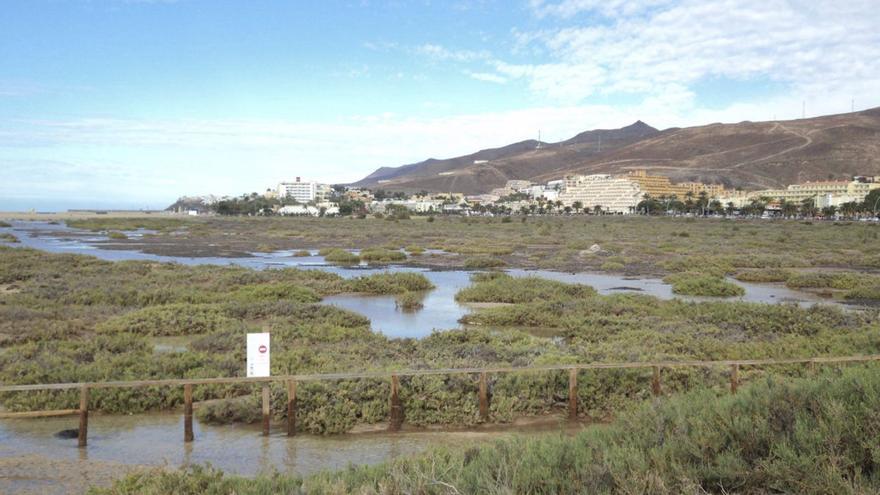
Nestled in the southern region of Fuerteventura, El Saladar de Jandía stands as the largest wetland in the Canary Islands and is the only Scientific Interest Site on the island. This remarkable ecosystem is formed by the periodic flooding of Playa del Matorral, just at the entrance of Morro Jable. The unique interplay of tides creates a vibrant habitat that thrives with avian life and lush halophytic vegetation, making it a treasure trove for both nature lovers and researchers alike.
A Window into Biodiversity
El Saladar de Jandía is emblematic of the rich biodiversity found in the Canary Islands. The area is a crucial stopover for migratory birds and provides nesting habitats for various marine species. Observing the interactions between these birds and the meticulously adapted halophytic flora—which includes salt-tolerant plants—offers invaluable insights into ecological resilience and adaptability.
Government Initiatives for Ecological Recovery
In an exciting recent development, the Government of the Canary Islands has allocated a direct subsidy of €249,815 to the Cabildo de Fuerteventura. This funding aims to support the project titled “Naturalization of El Saladar de Jandía,” which is part of the broader Territorial Sustainability Plan for Tourism in the region, financed through the European Next Generation EU funds. The initiative underscores the commitment to not only promote tourism but also sustainably manage and enhance natural environments.
Project Objectives and Phases
The primary goal of this project is the ecological recovery of this protected area through the removal of outdated infrastructure, such as an old wastewater treatment plant, and restoring the original geomorphology of the land. The intervention is outlined in four vital phases:
-
Removal of the Old Treatment Plant: The first phase involves dismantling the outdated wastewater treatment facility, which has fallen into disrepair and conflicts with conservation regulations. This step is crucial in resetting the ecological balance of the area.
-
Land Level Restoration: The second phase focuses on eliminating the current fill to recover the natural elevation of the saladar. The plan is to lower the platform from +3.40 meters to its original +2.50 meters while ensuring the roots of existing vegetation are not disturbed.
-
Environmental Treatment: In the third phase, over 9,000 square meters will be treated to restore the landscape. This will involve using screened earth to contour the terrain and create protective slopes, further solidifying the structural integrity of the ecosystem.
-
Landscape Integration: The final phase will revolve around aesthetic enhancement and biodiversity promotion. This includes planting 104 native plant species like Chenoleoides tomentosa (algoera) and Salsola vermiculata (matabrusca) in random arrangements to mimic natural growth patterns, encouraging a more organic landscape.
Community and Expert Involvement
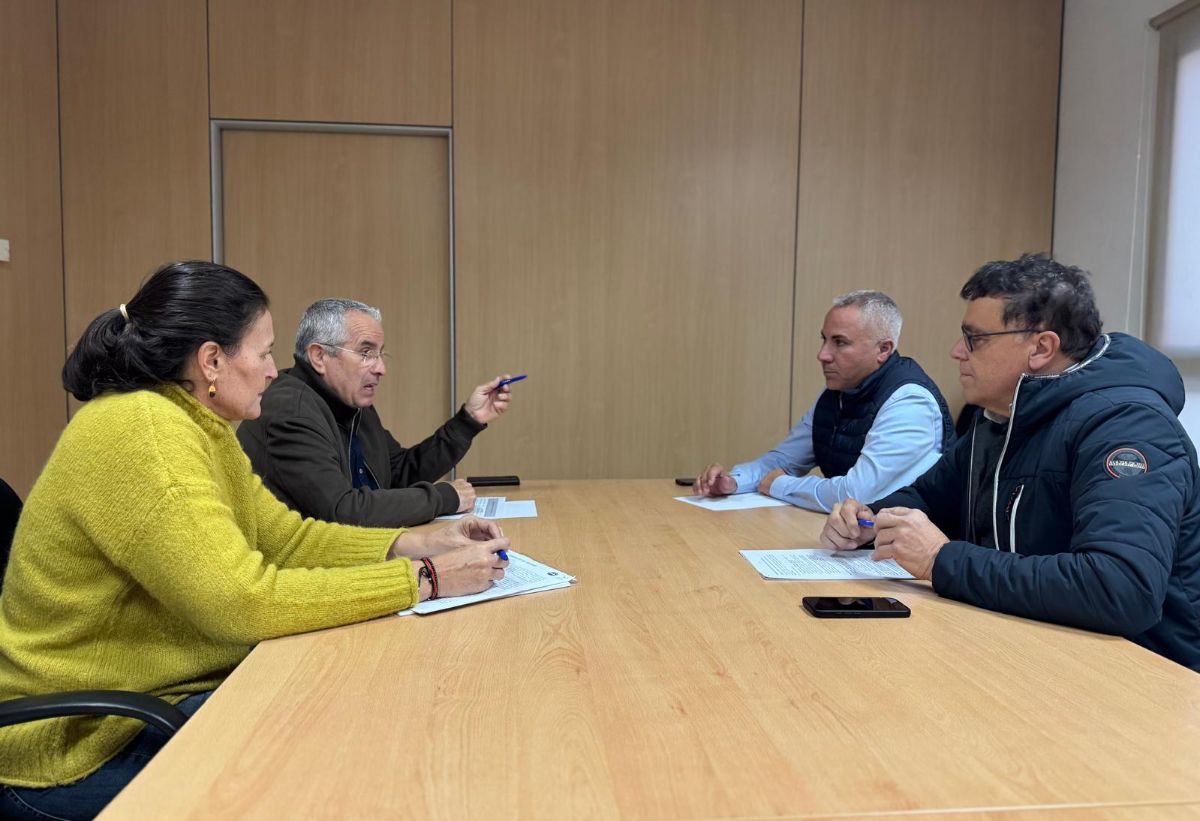
Key figures from Fuerteventura’s local administration have voiced their support for the initiative. Jéssica de León, the Minister of Tourism and Employment, emphasized that the project reflects a broader philosophy of sustainable management, pointing out that it aims to protect and rejuvenate valuable natural spaces beyond just hospitality and tourism sectors.
Lola García, the president of the Cabildo de Fuerteventura, noted the importance of ongoing conservation efforts in the region, including improvements to fencing and protective walkways. This recent action is an extension of that dedication to sustainability, ensuring that El Saladar de Jandía continues to flourish for future generations.
Significance for Local Ecosystems
The ecological restoration of El Saladar de Jandía is not just about preserving a single area; it represents a commitment to the larger environmental tapestry of Fuerteventura. By improving this unique habitat, there will be a cascading positive impact on coastal resilience, local biodiversity, and the overall health of the island’s ecosystems.
As the project progresses, it will be fascinating to observe how each phase unfolds, and how the combined efforts of the government and local communities contribute to the enduring legacy of El Saladar de Jandía as a bastion of natural beauty and ecological importance in the Canary Islands.