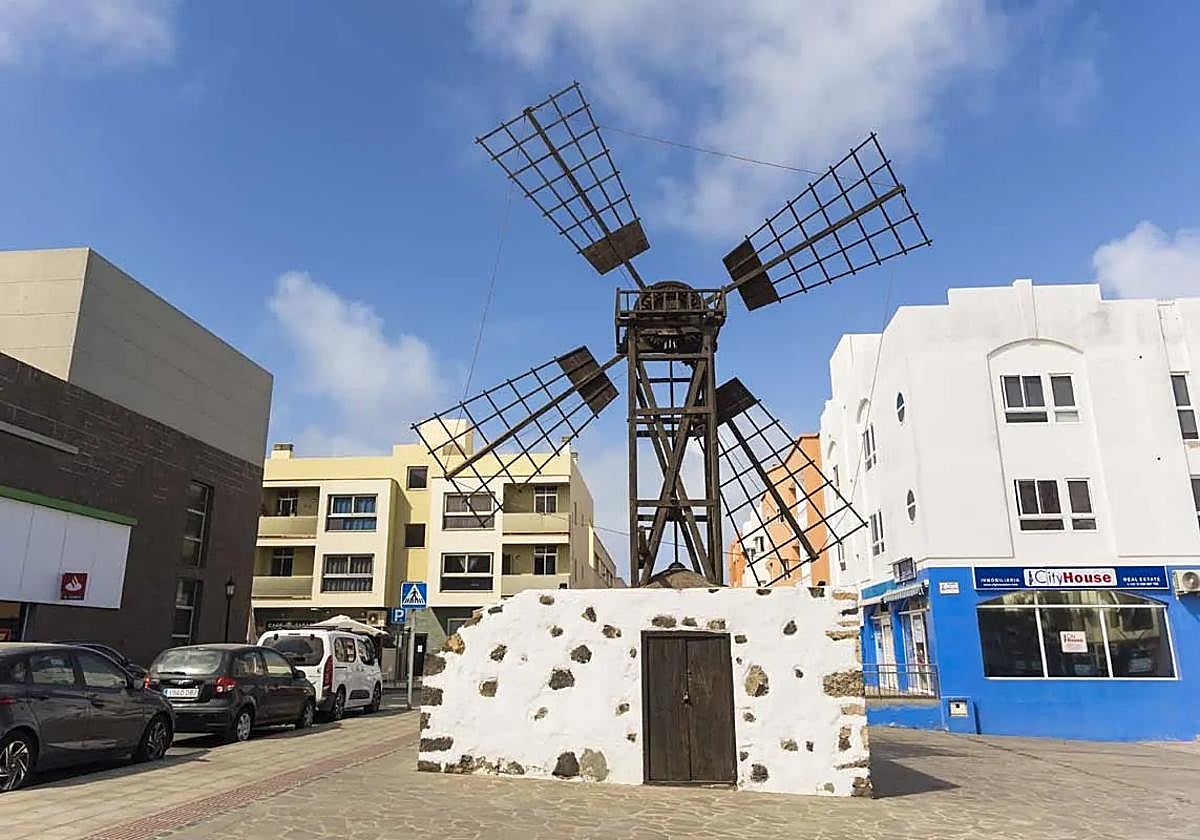
The Cultural Heritage of Fuerteventura: Prioritizing the Restoration of Historic Mills
In the sun-kissed landscape of Fuerteventura, three historic mills—Molina de Manolo Hierro, Molino de Domingo Estévez, and Molina de Juan Morera—stand as silent witnesses to the island’s rich agricultural and industrial past. Recently, the Partido Popular (PP) of La Oliva raised concerns over the deteriorating state of these significant structures, which are recognized as Cultural Heritage Sites (Bien de Interés Cultural, BIC). This article unfolds the historical significance of these mills and the urgent need for their restoration.
Molina de Manolo Hierro: A Beacon of Industrial History
The Molina de Manolo Hierro holds a unique place in Fuerteventura’s history. Once operational until the 1980s, this mill was pivotal for grinding gofio, a traditional Canarian food made from roasted grains. Originally located in Los Llanos de la Concepción, the mill was purchased in 1925 and transported to Corralejo via a caravan of donkeys and camels. Its namesake, Manuel Hierro Viera, was not just a miller; he was a community leader, a boat carpenter, and the custodian of the first military telephone installed in Corralejo in 1943. Hierro’s legacy is etched in the local culture, and the mill serves as a tangible connection to a time when such artisanal practices dominated the landscape.
Molino de Domingo Estévez: An Original Remnant
Unlike the Molina de Manolo Hierro, the Molino de Domingo Estévez has remained in its original location since it was built in the 1950s. Although it ceased operations in the late 1970s, it has preserved the essence of traditional milling practices. The mill’s ability to withstand time without relocating makes it a vital part of local history, yet it has seen very little restoration. Its albeit humble presence echoes the industrious spirit of the times and highlights the importance of maintaining such structures for cultural continuity.
Molina de Juan Morera: Craftsmanship and Legacy
Constructed with wood imported from Lanzarote and millstone sourced from nearby Lajares, the Molina de Juan Morera bears testament to skilled craftsmanship and family legacy. Rafael del Toro constructed the mill, which later transitioned to the care of Juan Morera and his sons. Their operation of the mill continued until 1957, marking another chapter in the island’s relationship with its agrarian past. The historical significance of Molina de Juan Morera lies not just in its functionality but also in its representation of family and community ties that have persisted over generations.
A Call for Preservation and Awareness
The Partido Popular emphasized that the current state of these mills “doesn’t reflect” the image of a community striving for quality tourism and cultural heritage protection. José Vicente Calero, spokesperson for the PP in La Oliva, articulates the deeper implications of neglecting these cultural artifacts. He states, “When we abandon heritage, we also abandon part of our identity.” This sentiment underscores the idea that preserving these structures is essential not only for aesthetic reasons but for maintaining the historical fabric of the community that has thrived around them.
Proposals for Action
The PP has proposed an actionable plan featuring restoration and regular maintenance to ensure the sustainability of these historical mills. This plan includes cleaning the surrounding areas and installing informative panels that narrate their history to both residents and visitors. By transforming these sites into platforms for education and celebration of local history, the community can foster a deeper appreciation for its agricultural past.
Conclusion: A Collective Responsibility
As these mills continue to weather the storms of time, the responsibility for their upkeep lies not only with local government bodies but also with the community at large. These structures are more than just remnants of the past; they are symbols of identity, resilience, and a shared heritage that must be preserved for future generations. Efforts to rehabilitate and maintain the Molina de Manolo Hierro, Molino de Domingo Estévez, and Molina de Juan Morera offer a pathway to reaffirm the island’s dedication to its cultural narratives while promoting tourism and education.

