The Housing Crisis in Spain: A Deep Dive into the Rental Market Struggles
In the heart of Madrid, Blanca Castro faces a daunting reality. With a builder’s helmet on, she opens the door to her kitchen, revealing a ceiling with a gaping hole that drips water, threatening to collapse at any moment. This is not just a personal crisis; it reflects a broader issue affecting many Spaniards grappling with a housing crisis fueled by skyrocketing rental costs.
The Struggles of Tenants
Blanca’s kitchen is currently unusable, forcing her to wash dishes in the bathtub and cook on a gas camping stove in her living room. She is not alone; many tenants in her apartment block near Atocha railway station are experiencing similar neglect from their landlord, who has ceased responding to maintenance requests since announcing that rental contracts would not be renewed. "The current rental bubble is encouraging a lot of big owners to do what they are doing here," Blanca explains, highlighting a trend where long-term tenants are being pushed out to make way for short-term tourist rentals or to hike rents significantly.
Despite the challenges, Blanca and her neighbors are determined to stay put, viewing the landlord’s actions as an attempt to evict them. The fixed-term tenancy contracts last five years, but with the area’s rental prices soaring, finding a comparable home would mean paying double or more. "It’s not viable," she states, encapsulating the frustration of millions of Spaniards facing similar dilemmas.
The Broader Housing Crisis
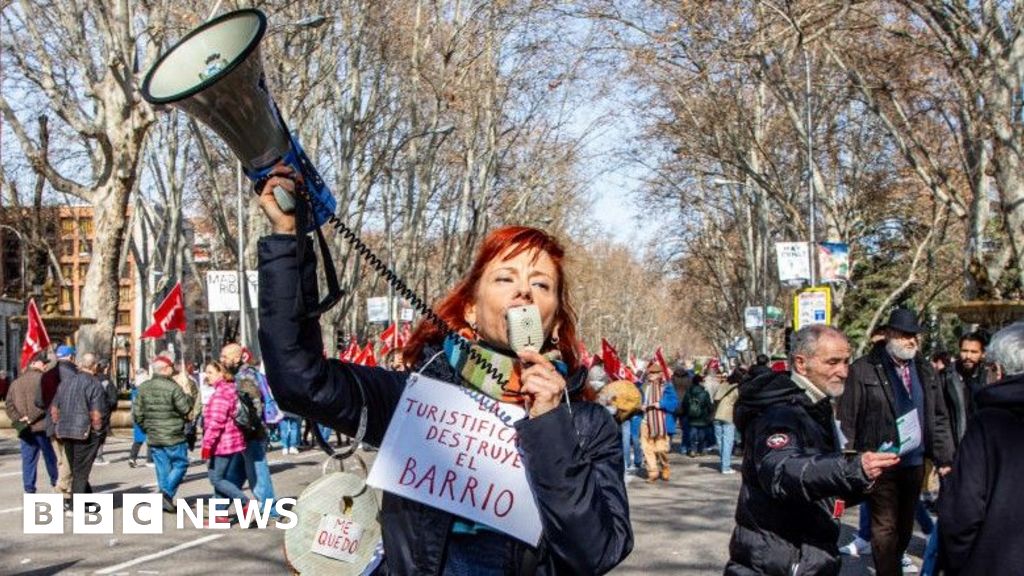
The plight of Blanca and her neighbors is emblematic of a national crisis. While salaries in Spain have increased by about 20% over the past decade, rental prices have doubled, with an 11% rise in just the last year. This disparity has made housing the top concern for many Spaniards, leading to widespread protests demanding government intervention to make housing more affordable.
A recent report from Spain’s central bank revealed that nearly 40% of renting families now allocate over 40% of their income to housing. Juan Villén from Idealista, a property portal, notes a significant imbalance between supply and demand. In Barcelona, for instance, the competition for rental properties has intensified dramatically, with nine families vying for each rental five years ago, now escalating to 54.
Government Response and Challenges
The Spanish government has recognized the housing situation as a "social emergency," acknowledging the urgent need for new housing. Estimates suggest that between 600,000 and one million new homes are required over the next four years to meet demand. This need has been exacerbated by an influx of immigrants contributing to the workforce and economic growth, alongside a lack of social housing, which stands at a mere 3.4% of total supply—one of the lowest rates in Europe.
However, construction has lagged significantly. In 2007, during the peak of a property bubble, over 600,000 homes were built. Today, high building costs, limited land availability, and a shortage of labor have resulted in fewer than 100,000 homes being completed in 2024. The government is attempting to incentivize construction by allocating land for affordable housing, but challenges remain.
Political Measures and Public Sentiment
Prime Minister Pedro Sánchez has expressed a willingness to intervene in the rental market to control prices. At a recent event in Seville, he emphasized the need for a housing market that operates on principles of social justice rather than unchecked speculation. Local governments have also begun to address the issue of short-term tourist rentals, which many believe contribute to rising rental costs. Cities like Barcelona are taking decisive action, planning to revoke licenses for thousands of short-term rentals by 2028.
The government has introduced a housing law that includes rental caps in "high-tension" areas where prices have surged. While some regions, such as Catalonia, have seen a slight decrease in rental costs since implementing these caps, critics argue that such measures have led to property owners withdrawing from the rental market altogether.
The Tenant Advocacy Movement
As public frustration mounts, tenant advocacy groups like the Sindicato de Inquilinas e Inquilinos are gaining traction. Gonzalo Álvarez, a representative of the organization, argues that the housing crisis is not merely about supply but also about the misuse of existing properties. He contends that many homes are being "hijacked" for tourist rentals or held by investment funds, leaving genuine renters in a precarious position.
The organization is pushing for mandatory rent reductions and has even threatened a nationwide rent strike if the government fails to act decisively. "The [central and local] governments are not setting any limits," Álvarez asserts, indicating a growing sentiment among tenants that they must take matters into their own hands.
Conclusion
The housing crisis in Spain is a complex issue that intertwines economic, social, and political threads. With rising rents, stagnant wages, and a growing population, the struggle for affordable housing is far from over. As tenants like Blanca Castro fight to maintain their homes, the broader implications of this crisis continue to unfold, prompting urgent calls for systemic change in the Spanish housing market.