The Rising Popularity of Motorhomes and Campervans in Spain: Navigating New Regulations
The allure of the open road has never been stronger, especially in Spain, where the popularity of motorhomes and campervans has surged dramatically since the pandemic. This shift towards tourism on wheels has not only transformed travel preferences but has also prompted significant changes in regulations from the Spanish traffic authority, known as the DGT. With thousands of drivers embracing this lifestyle, municipalities are grappling with coexistence challenges, necessitating new legal frameworks to ensure harmony between travelers and local communities.
New Legal Framework: Instruction PROT 2026/04
The latest regulatory update, Instruction PROT 2026/04, revises the legal landscape established in 2023. This comprehensive overhaul introduces a range of modifications, including specific road signage, enhanced municipal authority, and distinct technical inspection schedules. As motorhome and campervan users navigate the roads, they must now be vigilant not only about traffic laws but also about local council ordinances that may vary from one municipality to another.
The DGT emphasizes that these changes aim to strike a balance between the freedom of mobility and the need to respect urban environments and ecological considerations. This regulatory framework addresses the urgent challenges posed by the rapid growth of the motorhome sector, where previously unclear rules had led to tensions among drivers, residents, and local administrations.
The S-128 Sign: A Practical Solution
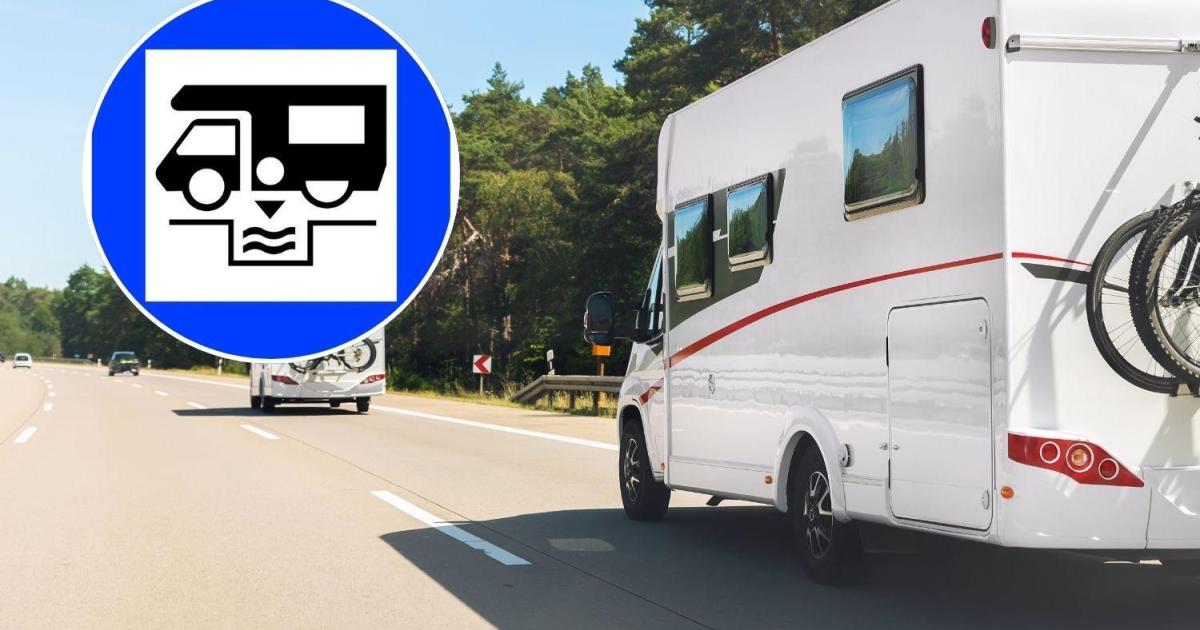
One of the most visible changes is the introduction of the S-128 sign, specifically designed to indicate motorhome waste disposal points. This sign is being gradually deployed across Spanish roads and serves a crucial function beyond mere decoration. The rise in residential vehicles has been accompanied by an increase in unregulated dumping of grey and black water in unauthorized areas, posing health risks and causing community unrest.
The S-128 sign helps users easily locate appropriate zones for legal and environmentally safe waste discharge. The DGT aims to educate travelers by normalizing the correct use of available infrastructure, thereby reducing violations that stem from ignorance or a lack of visible options.
Technical Inspections: Understanding Vehicle Categories
Clarifying inspection schedules has become essential in this evolving landscape. The new instruction confirms that the frequency of technical inspections depends on the vehicle’s classification.
Motorhomes classified as category M (living quarters) follow a timetable similar to standard cars: they are exempt from inspections for the first four years, then inspected every two years until they reach ten years old, after which annual inspections are required.
In contrast, campervans classified as category N (adapted transport vehicles) face stricter regulations. These vehicles must undergo annual inspections from registration up to ten years, followed by inspections every six months thereafter. This distinction reflects the industrial origins of campervans and the associated safety demands. Understanding these differences is crucial for owners to avoid fines and ensure their vehicles remain roadworthy.
Parking vs. Camping: Legal Nuances
The updates also clarify the use of public spaces in urban areas. According to the DGT, motorhomes may park on public roads like any other vehicle, provided they adhere to traffic regulations and avoid reserved or prohibited spots. However, local councils now possess increased authority to restrict or ban extended parking and overnight camping within their jurisdictions.
The distinction between parking and camping is pivotal. Parking is defined as the vehicle being closed, without external equipment deployed and no camping activities taking place. In contrast, camping involves setting up awnings, tables, chairs, or using stabilizing chocks. In such cases, councils can impose sanctions unless these activities occur in authorized areas. This legal refinement empowers municipalities to regulate public space usage, particularly in tourist or residential districts where the concentration of motorhomes has led to community friction.
Designated Motorhome Areas: A Sustainable Alternative
The instruction also acknowledges the importance of designated motorhome reception areas, recognizing them as specific tourist facilities regulated by various autonomous communities. These zones typically provide essential services such as wastewater disposal, freshwater refills, and occasionally electrical hookups.
The DGT endorses these designated areas as a legal and sustainable alternative to free parking or unauthorized camping. By promoting order in itinerant tourism, these facilities help mitigate problems associated with unprepared site occupation, ensuring a more harmonious coexistence between travelers and local residents.
As the landscape of travel in Spain continues to evolve, understanding these new regulations and distinctions will be vital for both motorhome enthusiasts and local communities. The DGT’s efforts to create a balanced framework reflect a commitment to fostering a respectful and sustainable tourism environment.