Spain’s Stance on US Military Operations in the Iran War
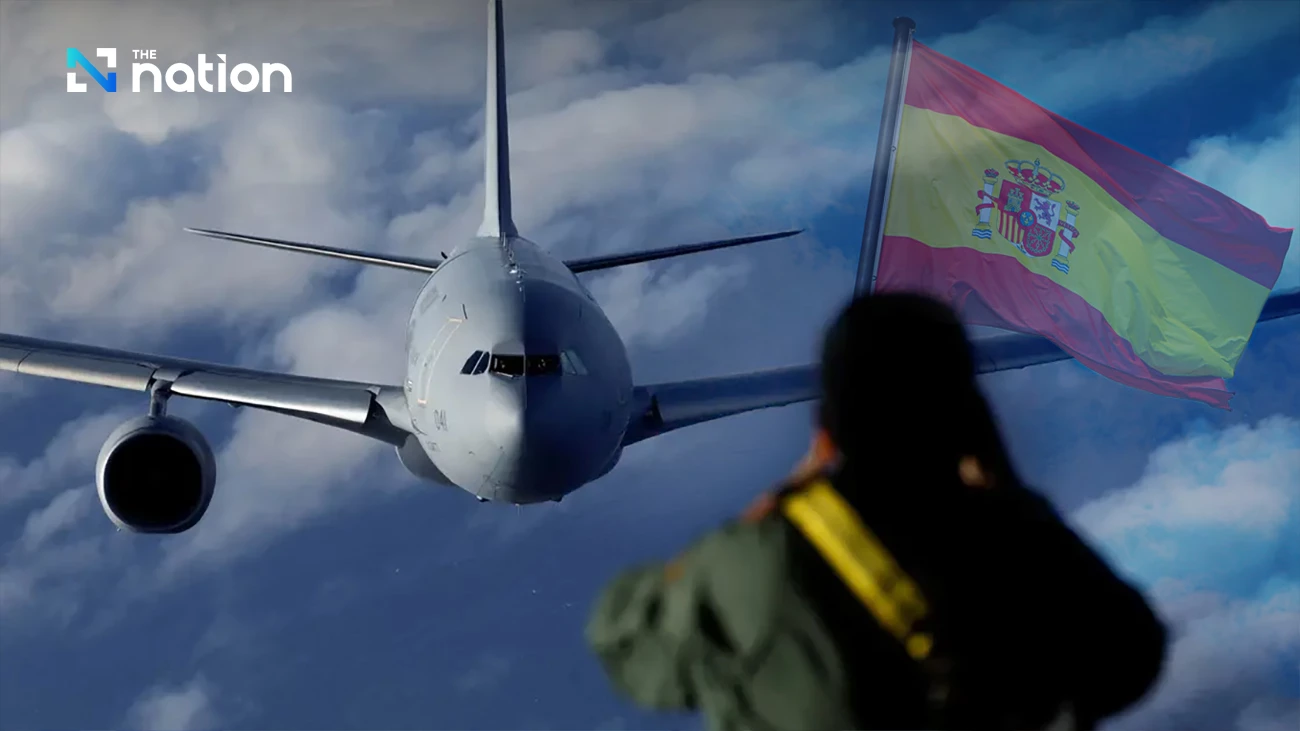
In a significant move reflecting its foreign policy stance, Spain has officially closed its airspace to US planes involved in the ongoing conflict in Iran. This announcement was made by Defence Minister Margarita Robles on Monday, marking a clear delineation of Spain’s position in the complex geopolitical landscape of West Asia.
Restrictions on Military Bases
Spain’s decision extends beyond airspace restrictions. The government had previously communicated to the United States that it could not utilize jointly operated military bases within Spanish territory for operations related to the Iran war. This proactive stance underscores Spain’s commitment to maintaining its sovereignty and aligning its military policies with its diplomatic principles.
Robles emphasized that this message was conveyed to the American military from the outset. “This was made perfectly clear to the American military and forces from the very beginning,” she stated. The clarity of this communication reflects Spain’s determination to assert its position in international military matters.
A Critical Voice in Europe
Under the leadership of Prime Minister Pedro Sanchez, Spain has emerged as one of Europe’s most vocal critics of US and Israeli military actions in the region. This critical stance is not merely a reaction to current events but is rooted in a broader commitment to international law and human rights. The Spanish government has consistently advocated for peaceful resolutions to conflicts, emphasizing dialogue over military intervention.
Robles articulated this perspective, describing the war in Iran as “profoundly illegal and profoundly unjust.” Such strong language highlights Spain’s alignment with a growing sentiment in Europe that questions the legality and morality of military actions taken without broad international consensus.
The Broader Implications
Spain’s decision to restrict airspace and military base usage has broader implications for NATO and US-European relations. It signals a potential shift in how European nations may respond to US military initiatives, particularly in regions where humanitarian concerns are at stake. This move could inspire other European countries to reevaluate their own military collaborations with the US, especially in light of increasing public scrutiny over military interventions.
Public Sentiment and Political Landscape
The Spanish government’s position resonates with a significant portion of the public, who are increasingly wary of military engagements that do not prioritize diplomatic solutions. This sentiment is reflected in various public demonstrations and discussions surrounding Spain’s role in international conflicts. The government’s stance may also bolster support for political parties that advocate for peace and diplomacy over military action.
Conclusion
Spain’s firm stance against US military operations in the Iran war illustrates a broader trend of European nations reassessing their military alliances and commitments. As the situation in West Asia continues to evolve, Spain’s actions may serve as a bellwether for future European responses to international conflicts, emphasizing the importance of sovereignty, legality, and humanitarian considerations in foreign policy.