Spain’s Resilient Tourism Sector: Navigating Global Challenges
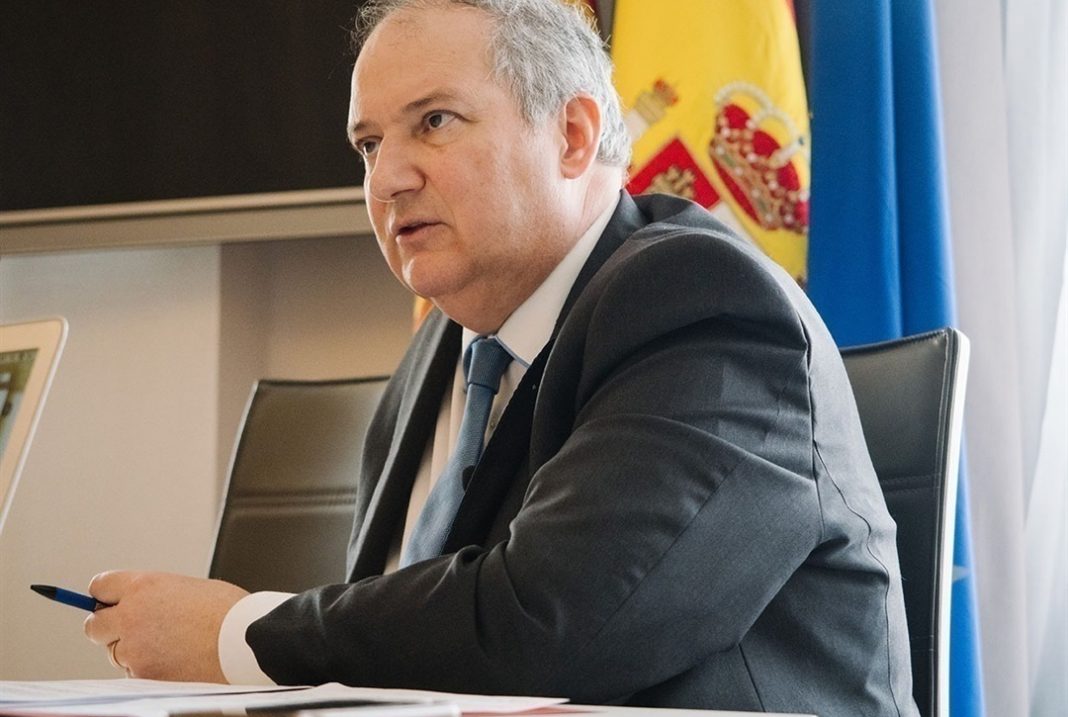
Spain is demonstrating remarkable resilience amidst global turmoil, as highlighted by the Minister of Industry and Tourism, Jordi Hereu. The ongoing geopolitical tensions, particularly the Gulf War and the potential impact of the Iran conflict, have led to a noticeable shift in tourism flows. Hereu noted that this shift is favoring Spain, as travelers redirect their plans from the Eastern Mediterranean to the Western Mediterranean.
The Impact of Geopolitical Instability
In his analysis, Hereu emphasized the potential ramifications of the war in Iran on Spain’s tourism growth outlook. Despite these challenges, the Minister remains cautiously optimistic about the sector’s future. The Ministry of Industry and Tourism has been closely monitoring these developments, ensuring that Spain is well-prepared to adapt to changing travel patterns.
Holy Week Projections: A Bright Outlook
As one of the most significant travel seasons approaches, Hereu presented official forecasts for Holy Week. According to estimates from Turespaña, Spain is expected to break its record for international tourist spending, surpassing €21 billion—an increase of approximately 3% compared to the same period in 2025. While international arrivals are projected to reach around 15 million, reflecting a modest increase of 0.2%, the growth in spending is a promising indicator of the sector’s health.
Quality Over Quantity: A Shift in Tourism Dynamics
Hereu pointed out that spending is growing at a faster rate than visitor numbers, suggesting an improvement in tourism quality. This trend is crucial for preserving local identity and ensuring a harmonious coexistence between residents and visitors. The focus on diversification and reducing seasonality is also evident in the latest Turespaña survey, which revealed that 66.9% of international tourists reported being “very satisfied” with their experience in Spain, a slight increase from the previous year.
Adapting to Market Changes
Spain’s tourism sector is well-positioned to withstand the potential impacts of the Iran conflict. Early-year data indicated a 9.3% increase in tourist spending in January and a 1.2% rise in arrivals, with tourism employment reaching a record 2.75 million workers in February. Hereu noted a significant shift in travel demand, with tourists increasingly favoring destinations like Italy, Greece, and Spain over Turkey and Egypt.
Despite this shift, Hereu emphasized that Spain does not aim to grow its tourism sector at the expense of other countries. The government remains committed to international law and multilateral cooperation, ensuring that the benefits of tourism are shared equitably.
Monitoring and Assessment: A Proactive Approach
To navigate the complexities of the current geopolitical landscape, the Ministry has established a monitoring group to assess the impacts of the Iran conflict on tourism. This group will collaborate with industry stakeholders and utilize data from Turespaña’s global network to track developments in key source markets. A follow-up meeting is scheduled after the Holy Week to evaluate the situation further.
Sustainability in Tourism: A Focus on Quality and Diversity
Hereu also outlined the latest advancements in Spain’s sustainable tourism transformation. The government is committed to fostering a balanced tourism model characterized by reduced concentration, less seasonality, and greater diversification. This approach reflects a steady commitment to economic, social, and environmental sustainability.
Public investment in modernizing tourism policies over the past five years has been pivotal in this transformation. The rollout of the Tourism Strategy 2030 roadmap, approved in late 2025, aims to further enhance the sector’s sustainability.
Trends in Visitor Spending and Experience
Data from 2018 to 2025 indicates that both visitor numbers and tourism spending have grown more rapidly during the shoulder and low seasons (October to May) compared to peak months. Additionally, spending has increased more significantly in inland and northern regions than in traditional tourist hotspots. This diversification is crucial as culture- and gastronomy-driven travel continues to gain popularity, outpacing the traditional sun-and-beach tourism model.
Another noteworthy trend is the increase in in-destination spending, which is now outpacing visitor growth. This shift signals a move toward higher-quality tourism experiences, aligning with Spain’s commitment to sustainable and responsible tourism practices.
Related News Stories
- Spain launches nationwide €60 monthly public transport pass
- Spain suspends Madrid–Andalucía rail after deadly crash
- Snow, ice, and extreme cold disrupt travel in large parts of Europe
- Malaysia Tourism Minister sorry for alcohol served at Global Travel …
- Guatemala proves popular to travelers in the first half of 2025
- At 60, ITB Berlin remains a benchmark of the travel industry
- France retains its title of top tourism destination in the world
- Angola unveils new tourism brand ahead of ITB Berlin 2026
- Thailand pushes tourism stimulus despite political turmoil, floods …
- WTTC confirms London exit as global cities compete – TravelMole
Spain’s tourism sector is navigating a complex landscape with resilience and adaptability, focusing on quality experiences and sustainable practices to ensure continued growth and satisfaction among visitors.