The Paradise of Corralejo: A Closer Look at the Dunas and Development
Nestled in the northern part of Fuerteventura lies a breathtaking landscape—the Dunas de Corralejo. Stretching over 18 square kilometers, these magnificent sand dunes are among the most iconic attractions in the Canary Islands. Despite their beauty, concerning developments over the past fifty years raise questions about the future of this cherished natural site. The allure of luxurious hotels, dating back to the 1970s, sparked a crucial debate over the potential urbanization of these dunes. While earlier protests halted further expansion, the fate of the two existing hotels hangs in legal limbo as efforts to remove them gain momentum.
The Legacy of the 20th Century
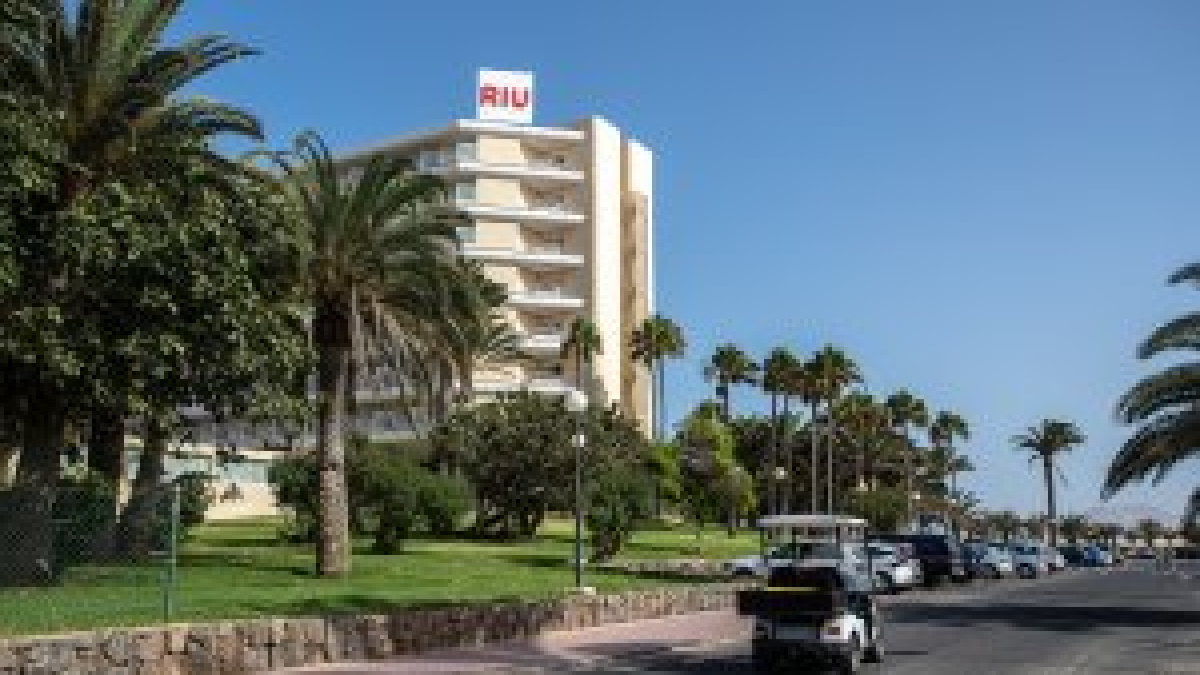
The hotels in question, constructed in the late 1970s, have been a topic of contention since their inception. It wasn’t until the 1990s that Riu Hotels & Resorts took over operations. These hotels represent not just hospitality but also a strategic move that reshaped the landscape. In a significant trade-off in 2007, Riu Hotels ceded the Canary Island of Lobos to the Spanish Ministry of the Environment, securing an extended permit for the two hotels on the Corralejo dunes. This act allowed Riu to maintain a foothold in a region that has faced increasing pressure from both natural and human forces.
Policy Changes and Environmental Concerns
Over the years, various policies have attempted to redefine the area, paving the way for improved ecological protection. The hotels were constructed before stringent regulations were implemented, including the Coastal Law and the establishment of protected natural parks. In subsequent years, revisions to these laws have sought to preserve the ecological integrity of the area, categorizing the dunes as a Special Protection Area for Birds (ZEPA) and a Special Conservation Area (ZEC). Unfortunately, these protective measures have not shielded the ecosystem from growing anthropogenic pressures.
Gilberto Martel, from the environmental group Turcón Ecologistas en Acción, expressed concerns regarding the two hotels’ operations at the edge of valuable natural habitats. Both establishments utilize public land, making the question of their legality and ethical implications more pressing.
Pressures on the Dunas de Corralejo
The degradation of the Dunas de Corralejo is not merely recent; experts have been warning about tourism’s impact since the 1980s, long before mass tourism took hold. Plans to manage and assess the dunes in the early 2000s revealed severe concerns regarding sustained structural upheaval in this fragile ecosystem. Aerial photographs analyzed by the University of Las Palmas de Gran Canaria from 1969 to 2009 reveal the stark transformations and the consequences of human interference.
Buildings like the hotels have disrupted sediment flow from beaches into the dune fields, impacting what is a complex geodynamic system. The mixed-use of coastal land poses a risk to an ecosystem that is foundational to Fuerteventura’s tourism economy.
The Battle Over Urban Development
Constructed during a period of lax regulations, both hotels now face the risk of losing their operational permits, as authorities seek to address long-standing grievances related to their existence. Riu Hotels has reiterated that the properties will not be closing anytime soon, citing an extensive administrative process before any decision can lead to annulment. However, these statements stand in stark contrast to findings that date back to earlier legal frameworks.
Riu’s hotels predated many of the laws that would have outlawed their construction, which has added complexity to the ongoing disputes. A new boundary was drawn in 1992, later confirmed in 2003. Nonetheless, the legacy of hasty construction continues to cast a shadow over basic ecological rights.
Legal Proceedings and Their Implications
Riu Hotels faces two separate legal proceedings concerning the potential revocation of their operational permits. These developments mark a significant shift in the bureaucratic landscape, and while Riu insists that they operate outside of the previously ratified boundaries of the natural park, advocacy groups point out that the hotels lie directly adjacent and contribute to the worsening condition of the dunes.
Experts maintain that measures taken to protect visible parts of the ecosystem must also consider their surrounding environments. For example, the inspections of the hotels reveal unlawful constructions carried out without the required permits, contributing to increases in volume and height of the structures, effectively altering their historical landscape.
The Future of Riu Hotels and Dunas de Corralejo
The Riu Hotels Tres Islas and Oliva Beach are entrenched in a web of regulatory challenges and claims of illegal modifications. Authorities have demanded the restoration of structures back to their original state, emphasizing the need for compliance concerning legislative frameworks. Allegations against Riu have escalated from upgrading hotel facilities to major unauthorized renovations that require demolition.
As of now, the Ministry of Ecological Transition has been reticent to comment extensively on ongoing legal proceedings. There has been a lack of tangible action on the ground, even as inspections reveal ongoing infractions. Reports indicate that unauthorized hotel additions remain operational, creating further complications for compliance.
Shifting Responsibilities and Future Prospects
As responsibilities for coastal oversight shift from the national to regional government as of January 2023, expectations are high for how the Canary Islands will handle existing permits and compliance. Riu Hotels remains hopeful that future interactions with local authorities will yield a favorable resolution to their operational challenges. However, environmental advocates remain skeptical, urging the government to prioritize the integrity of the Dunas de Corralejo over commercial interests.
The juxtaposition of development and preservation in this beautiful enclave illustrates the broader tensions within tourism-driven economies. As debates over environmental conservation versus economic gain continue, the fate of the Dunas de Corralejo hangs in the balance, drawing significant attention from both local citizens and global environmentalists.