Natural Gas and Renewables: A Path Forward for Democrats on Energy Affordability
In the current landscape of rising energy costs and increasing demand on our power grid, the conversation around energy affordability is more critical than ever. Mary Landrieu and Terry McAuliffe highlight this pressing issue, stating that Americans are grappling with escalating electric bills and a heightened risk of blackouts. This scenario presents a unique opportunity for Democratic leaders to reshape the national dialogue on energy.
The New Energy Reality
The phrase “new energy reality” encapsulates the challenges many Americans face today. With electric bills climbing and the threat of blackouts looming, the urgency for a sustainable and reliable energy strategy has never been clearer. Landrieu and McAuliffe argue that this moment is ripe for a reset in how we approach energy policy.
An All-of-the-Above Energy Strategy
The authors advocate for an “all-of-the-above” energy strategy that combines renewable energy sources with reliable, round-the-clock options like natural gas. This dual approach is not just about diversifying energy sources; it’s about ensuring that energy remains affordable and accessible for all Americans. By integrating renewables with natural gas, we can work towards decarbonization while maintaining the reliability that consumers expect.
The Role of Natural Gas
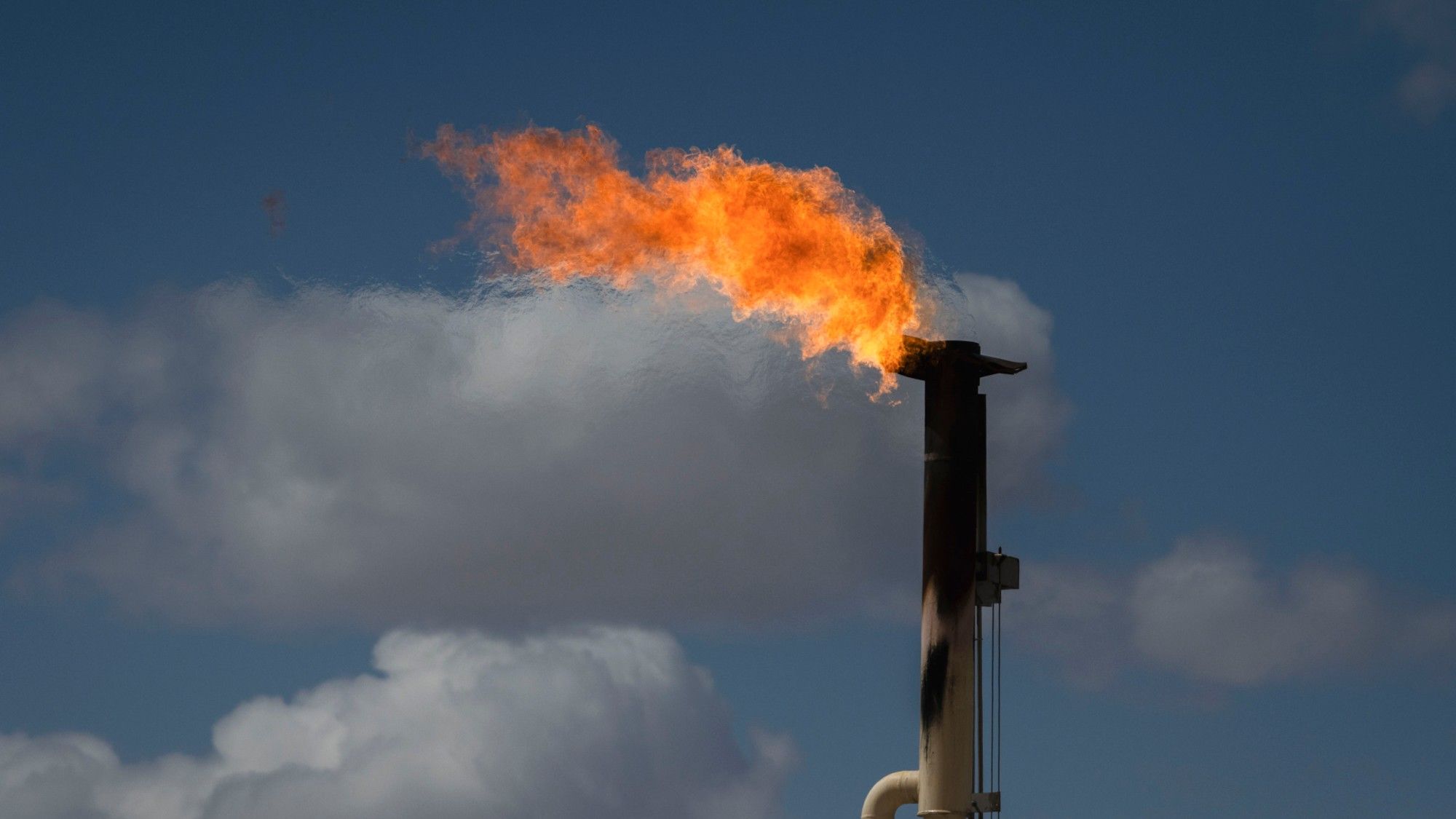
Natural gas plays a pivotal role in this energy strategy. As a fossil fuel, it is often viewed with skepticism in discussions about climate change. However, its ability to provide consistent energy makes it an essential component of a balanced energy portfolio. Unlike solar or wind energy, which can be intermittent, natural gas can be ramped up or down quickly to meet demand. This flexibility is crucial, especially as we transition to a more renewable-heavy grid.
The Promise of Renewables
On the other hand, renewable energy sources like solar and wind are vital for reducing greenhouse gas emissions. They offer a cleaner alternative to fossil fuels and are becoming increasingly cost-effective. The challenge lies in their variability; energy production can fluctuate based on weather conditions and time of day. This is where natural gas can step in to fill the gaps, ensuring that energy supply remains stable.
Economic Implications
The economic implications of this energy strategy are significant. By investing in both natural gas and renewables, Democrats can address the immediate concerns of rising energy costs while also committing to long-term sustainability goals. This approach not only helps in reducing carbon footprints but also creates jobs in both sectors. The transition to a cleaner energy economy can stimulate growth and innovation, benefiting local communities and the nation as a whole.
Public Perception and Political Will
For this strategy to gain traction, public perception and political will are crucial. Many Americans are concerned about climate change but are equally worried about their monthly energy bills. By framing the conversation around energy affordability and reliability, Democrats can appeal to a broader audience. This approach can help bridge the gap between environmental goals and economic realities, making it a win-win for both the party and the public.
Conclusion
As we navigate this new energy reality, the call for a balanced approach that incorporates both natural gas and renewables is more relevant than ever. By embracing this strategy, Democratic leaders can not only address the immediate challenges of energy affordability but also pave the way for a sustainable future. The time for action is now, and the path forward is clear.