The Historic Ensemble of Cáceres: A Balancing Act Between Heritage and Community
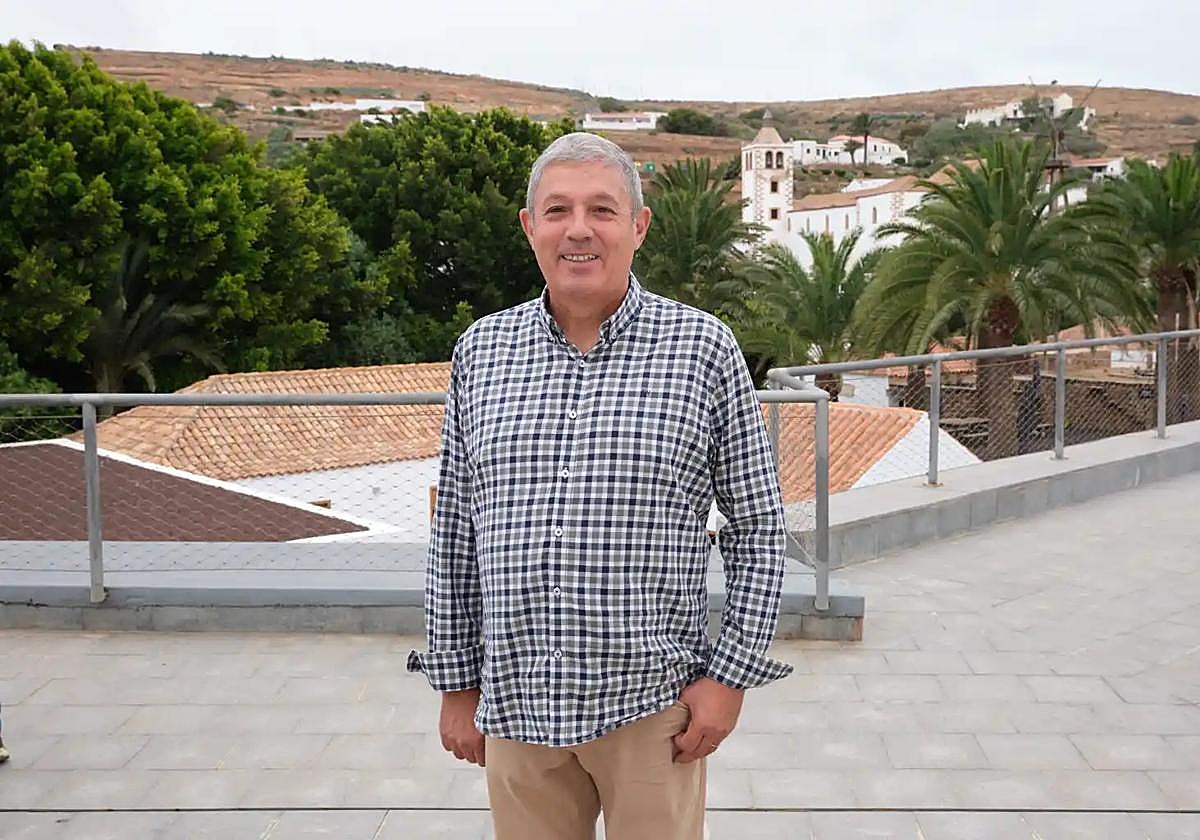
Cáceres, a city steeped in history, presents a unique case study in the preservation of heritage while fostering an active community life. As noted by Javier Sellers Bermejo, director of the Consorcio de la Ciudad Histórica de Cáceres, the historical ensemble is not just a collection of ancient buildings but a living, breathing part of the city’s identity. This article delves into the complexities of maintaining this equilibrium and the challenges it faces in an increasingly tourist-driven world.
A Living Heritage
Cáceres boasts a historical ensemble that is a UNESCO World Heritage Site, recognized globally for its well-preserved medieval architecture. Yet, despite its allure to tourists, it remains a place where locals actively engage in daily life. Sellers emphasizes, “Cáceres is very much lived, but it is lived by the citizens of Cáceres themselves.” This reality means that the challenges often revolve not solely around the influx of tourists but also the way residents navigate their interaction with the landscape of historical significance.
The Dilemma of Usage vs. Conservation
One of the most pressing issues highlighted by Sellers is the conflict between using the heritage for contemporary purposes and ensuring its preservation. While tourism can provide financial benefits, it can also lead to wear and tear on historical sites. The idea is not just to increase tourist footfall but to establish a balance where the heritage can be both enjoyed and respected.
Economic Challenges and Strategic Planning
Striking this balance requires substantial resources, both financial and managerial. Sellers notes, “More difficult than obtaining money is using it wisely.” Effective planning becomes essential: problems within the city cannot be resolved in isolation; they require a comprehensive, long-term strategy. The goal is to create a model of the city that takes into account the needs of both its residents and its visitors.
This necessity for strategic oversight raises an important point — community engagement is critical. The residents must be part of the dialogue concerning their city’s heritage, allowing for a plan that reflects their needs and aspirations as well.
Models of Urban Development
Sellers highlights that models of urban development differ greatly depending on the local context. What works in one city may not be suitable in another. The challenge, he points out, lies in the execution of these models. “It’s a straightforward solution, but few people actually put it into practice,” he explains, suggesting that the will to develop a unique model tailored to specific contexts is often lacking, despite its apparent simplicity.
The Economic Viability of Historical Areas
Another critical consideration is why some historical areas, despite their tourist attractions, may experience low residency levels. Sellers points out the paradox: it’s hard to fathom that a region with considerable tourist traffic doesn’t support a robust local economy. Here, he suggests the need for deeper analysis. Are geographical factors and communication links adequate? Do locals have enough economic opportunities based on what the municipality offers?
It is vital to reconcile tourism and local needs for a sustainable approach to urban development. Buyers and renters in historical areas often face challenges related to affordability and accessibility, which must be addressed to invigorate community life alongside tourism.
Engaging the Community
Involving the local community in urban planning and preservation efforts is essential. It helps ensure that developments meet the needs of those who live and work within these historical spaces. Community engagement can take many forms, from educational programs about the city’s history to participatory planning sessions that allow residents to voice their concerns.
Promoting local culture and crafts can also enhance the economic opportunities for residents. The more tourism is integrated with local life, the more it benefits both visitors and residents alike.
Conclusion
Cáceres serves as a compelling model for cities worldwide grappling with heritage preservation amidst the modern realities of urban life and tourism. By fostering a collaborative environment where the community plays a pivotal role, it is possible to keep the city’s rich history alive while allowing it to grow and evolve. Engaging local citizens in the management and conservation of their historical spaces can ensure that the beauty and history of places like Cáceres remain vibrant for generations to come.