Discovering Fuerteventura: A Culinary Awakening
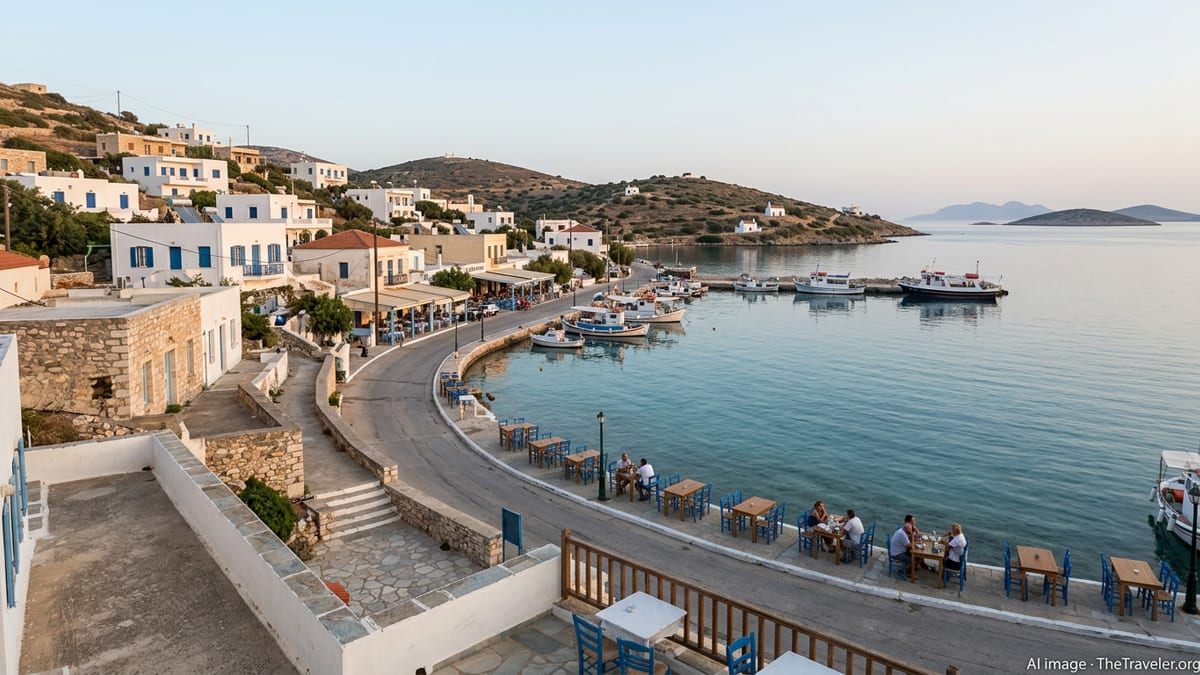
Fuerteventura, one of the stunning Canary Islands, beckons with its sun-soaked beaches and unique landscapes. However, what many may not realize is that beyond its natural beauty lies a burgeoning culinary scene characterized by passion, tradition, and innovation. At the forefront of this awakening is Gustavo Astrada, a dedicated chef who arrived on the island from Argentina four decades ago, captivated by its solitary charm.
A Journey of Passion and Culinary Heritage
Gustavo recounts his first encounter with Fuerteventura: “I was drawn to the solitude of the Corralejo Natural Park. Back in the ‘80s, there were no distractions, just the raw essence of the island.” His journey is emblematic of many chefs who are redefining the dining experience here, merging traditional recipes with contemporary flair. At his restaurant, La Mamma, in Corralejo, he focuses on local ingredients and authentic flavors, embodying the spirit of Fuerteventura’s culinary landscape.
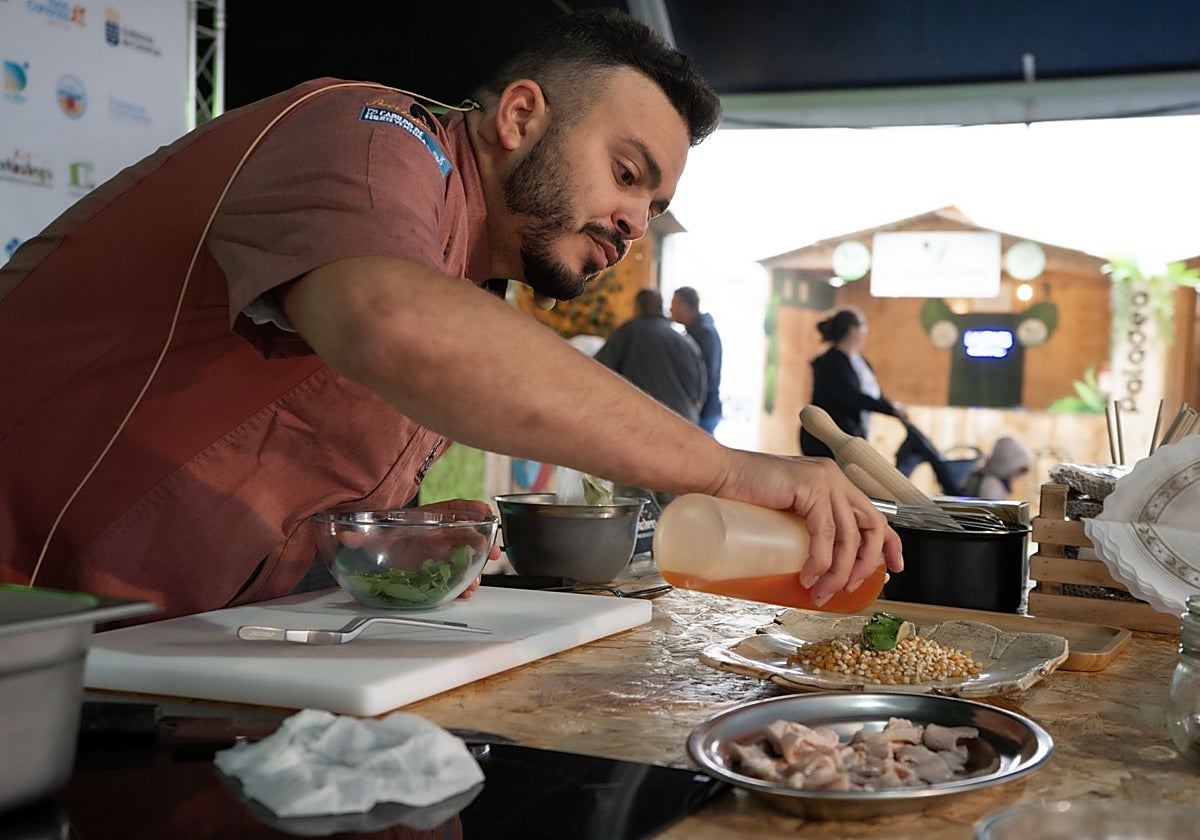
With events like Paladea, a gastronomic festival that highlights local flavors and promotes regional chefs, the island is starting to gain recognition for its unique culinary identity. Despite being a small gathering compared to other culinary congresses, the festival is a significant step in putting Fuerteventura on the map for gastronomes.
Celebrating Local Ingredients and Chefs
During the festival, a collection of celebrated chefs from surrounding islands, such as Michelin-starred Víctor Suárez from Haydée in La Orotava and Marcos Tavio from 8Aborigen in El Hierro, showcased their projects and philosophies. Their presence brings a wealth of experience and inspiration, aiming to create an identity that reflects the authentic flavors of the region. Tavio, who sees himself as an activist for local cuisine, believes the future lies in embracing the indigenous ingredients and crafting a distinctive culinary narrative.
“Canarian cuisine is disappearing,” remarked Tavio candidly. “We’ve become mere restaurants serving various international dishes. We must reimagine our identity through local products and traditions.”
The Importance of Tradition
Preserving traditional recipes and fostering new interpretations of them are crucial for developing Fuerteventura’s gastronomic scene. One star ingredient remains at the forefront: the Majorera goat, an ancient breed crucial to the island’s culinary heritage. Chefs like Marcos Gutiérrez emphasize the importance of this species, using it in signature dishes such as a rich goat stew and homemade pâté that showcase the versatility of local produce.
The dish ‘baifo’, or goat, whether roasted or fried, highlights the island’s cultural leanings toward rustic and hearty meals that delight the palate while staying true to the land.
Discovering Local Restaurants
Those eager to explore the culinary delights of Fuerteventura can find an array of wonderful establishments, including:
- El Horno (Villaverde)
- Casa Marcos (Villaverde)
- El Roque de los Pescadores (El Cotillo)
- Platanera (Corralejo)
- La Mamma (Corralejo)
- El Pellizco (Morro Jable)
Each venue presents unique dishes steeped in tradition, offering diners a genuine taste of the island.
The Role of Small Producers
A vital aspect of this culinary renaissance is the engagement with local producers. Farmers like Ángela Reyes and Francisco Hernández, who attend the Mercado de las Tradiciones in La Oliva, ensure the availability of fresh, locally grown ingredients. Their commitment to traditional farming methods helps sustain the culinary ecosystem, vital for the island’s chefs and restaurants.
From vibrant vegetables to exotic spices like canary saffron, the market serves as a hub of the community, where freshness reigns supreme.
Focus on Majorero Cheese
An essential part of Fuerteventura’s heritage is its renowned Majorero cheese. Yet, as younger producers like Mario Benítez voice, the challenges of mass production threaten artisanal methods. “Finding small-scale producers is becoming increasingly difficult; the larger dairies are encroaching,” he warns, stressing the importance of maintaining craftsmanship and quality.
Benítez dreams of reviving the art of cheese-making, offering varieties ranging from fresh to cured, enriched with unique local flavors.
Young Winemakers on the Rise
Alongside the cheese artisans, new generations of winemakers like Juanma Benítez are crafting unique wines from the volcanic soils of Fuerteventura. His ambitious project, featuring malvasía volcánica, embodies the island’s potential to diversify its agricultural output and enhance its culinary reputation.
The interplay between tradition and innovation is vibrant here, representing the collective aspirations of Fuerteventura’s community to carve out a niche in the culinary world.
This captivating island journey—from its rich culinary history through the innovative minds of its chefs and the hard work of local producers—reminds us that Fuerteventura isn’t just a tourist destination; it’s a treasure trove of flavors waiting to be explored and celebrated.