The Controversy Surrounding Hotel Riu Oliva Beach: A Legal and Environmental Tug-of-War
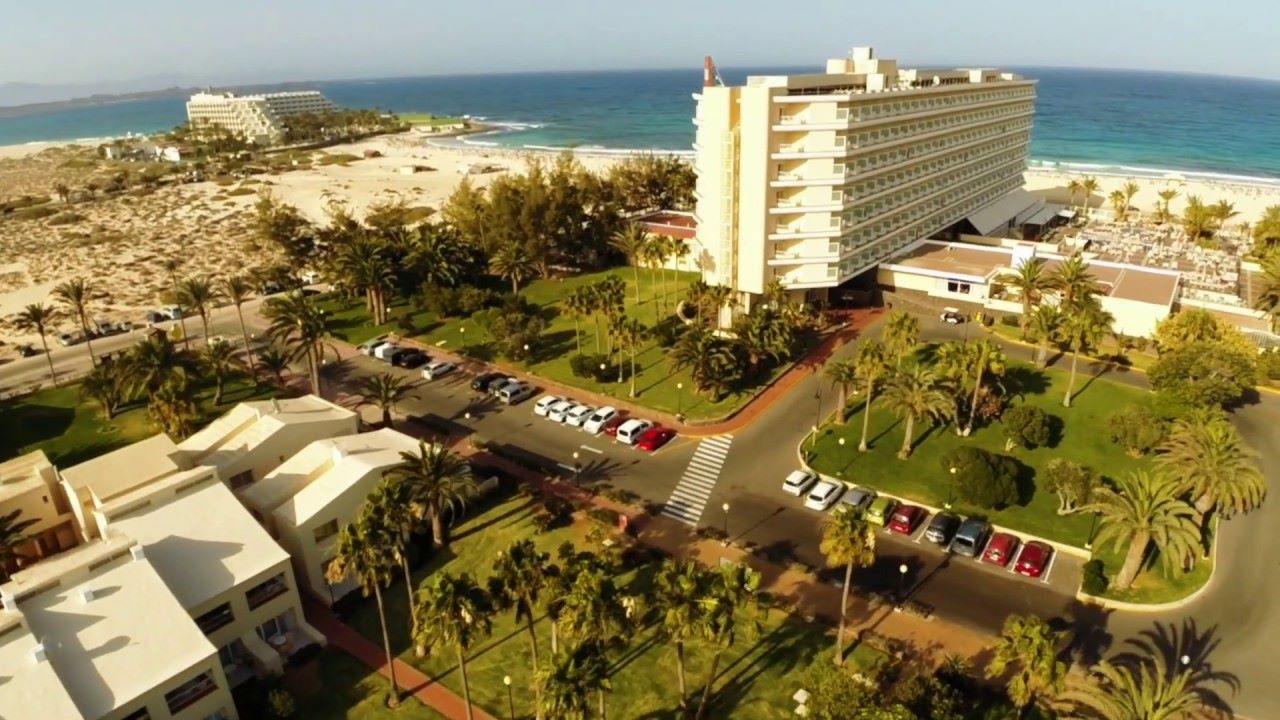
Nestled within the stunning backdrop of Corralejo Natural Park, the Hotel Riu Oliva Beach stands as a relic of the 1970s. While it may be a beloved destination for tourists seeking sun and sand, it has also become a focal point for ongoing legal battles surrounding environmental regulations. This property has garnered attention for its status in the ecosystem, pushed under the scrutiny of conservationists and legal authorities alike.
A Longstanding Legal Battle
For decades, the hotel has been embroiled in a complex legal struggle. In various rulings, Spanish courts have mandated its demolition for breaching environmental policies. The Constitutional Court made a significant ruling, stating that matters related to this hotel—and others like it—are governed by the Ministry of Ecological Transition since they occupy public maritime-terrestrial domain.
The implications of this decision are profound. While it affirms the commitment to environmental protection, the hotel remains operational despite these legal pronouncements. The government’s dichotomy in prioritizing tourism revenues against ecological preservation raises serious questions about governance and policy enforcement.
Clash of Interests
The Canary Islands’ government finds itself walking a tightrope between economic interests and environmental advocacy. On one side, governmental bodies are keen to promote tourism, a pivotal industry for the islands. On the other, ecological organizations are fervently fighting to protect the unique ecosystems of Fuerteventura, particularly the valuable dunes of Corralejo.
Environmental activists have expressed their outrage over the continued operation of Riu hotels in this protected area. They argue that the presence of these facilities represents an illegal occupation and an affront to one of the archipelago’s most treasured environmental spots.
Calls for Immediate Demolition
One of the loudest calls for action has come from environmental organizations demanding the immediate demolition of the Riu hotels situated in the dunes of Corralejo. They view this occupation as not just illegal but deeply damaging to the ecological landscape.
In their communications, activists have highlighted two “scandalous” situations recognized by the Ministry for Ecological Transition. Among these is the case of Hotel Oliva Beach itself, which has been identified as operating under a concession—recently declared void—yet remains in operation because of legal maneuvering by corporate interests.
Continued Environmental Degradation
Environmental groups emphasize that the hotel’s existence results in irreversible environmental impacts. With ongoing legal wrangling, these groups are keen to see the implementation of the resolution to terminate the hotel’s concession and push for a comprehensive restoration of the affected ecosystem. They argue that allowing the hotel to remain represents a failure of the local government to enforce regulations that protect public lands.
In another notable case, the Hotel Tres Islas’s caducity file has lapsed due to administrative negligence, demonstrating an alarming tendency for regulatory processes to be sidelined in favor of commercial interests. Activists have termed this administrative oversight as “unacceptable,” accusing authorities of catering to business interests rather than the environmental well-being of the broader community.
Mobilization for Change
The revelations and frustrations surrounding these hotel operations are galvanizing public sentiment. Activists plan to participate in widespread demonstrations throughout the Canary Islands, particularly on May 18, to protest against what they deem a predatory model of tourism. They argue that hotels like Riu’s present a stark example of tourism’s impact on fragile ecosystems, calling for a re-evaluation of tourism policies in favor of sustainable practices.
Through these protests, environmentalists aim to shed light on the ongoing struggle against inadequate regulatory enforcement and the need for a fundamental shift in how natural spaces are treated. They insist that the luxuries of modern tourism should not come at the expense of the environment and cultural heritage.
Conclusion Unwritten
As the future of Hotel Riu Oliva Beach hangs in the balance, it serves as a mirror reflecting broader issues of governance, environmental sustainability, and social responsibility. The ongoing tensions encapsulate the challenges faced by societies striving to balance economic growth and ecological preservation. In this intricate dance between progress and sustainability, the ultimate resolution remains to be seen, but the conversation around it continues to grow louder and more pronounced.