A Forward-Thinking Initiative: Climate Action Plan for Tourism in Fuerteventura
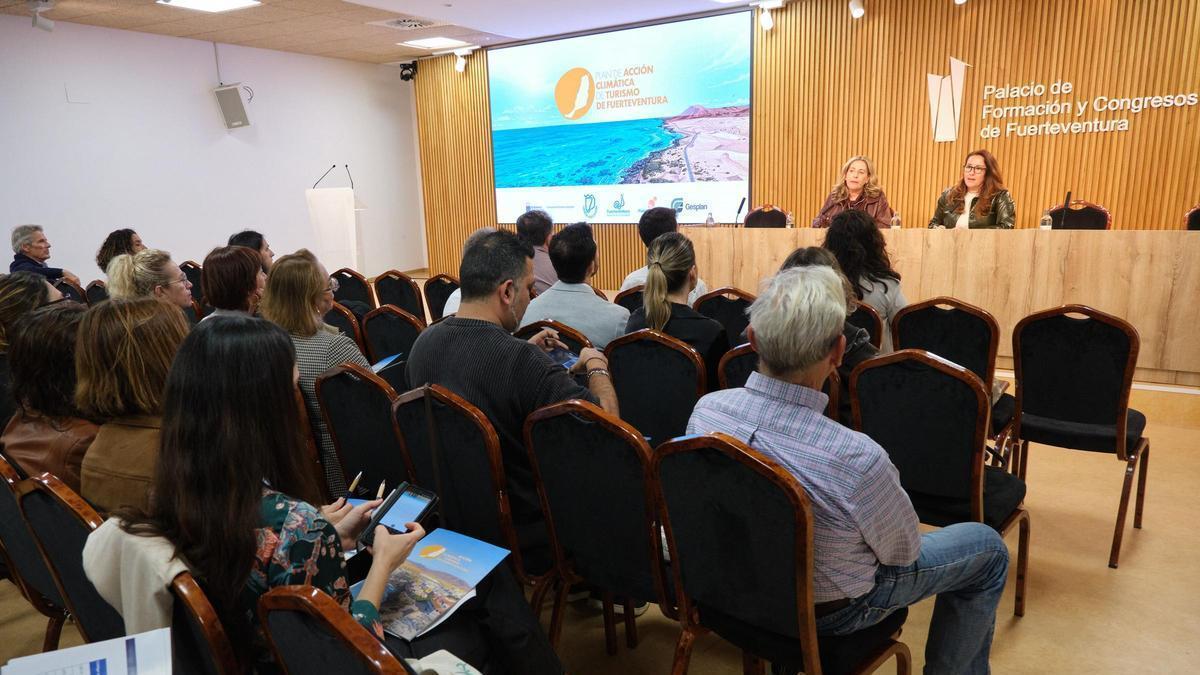
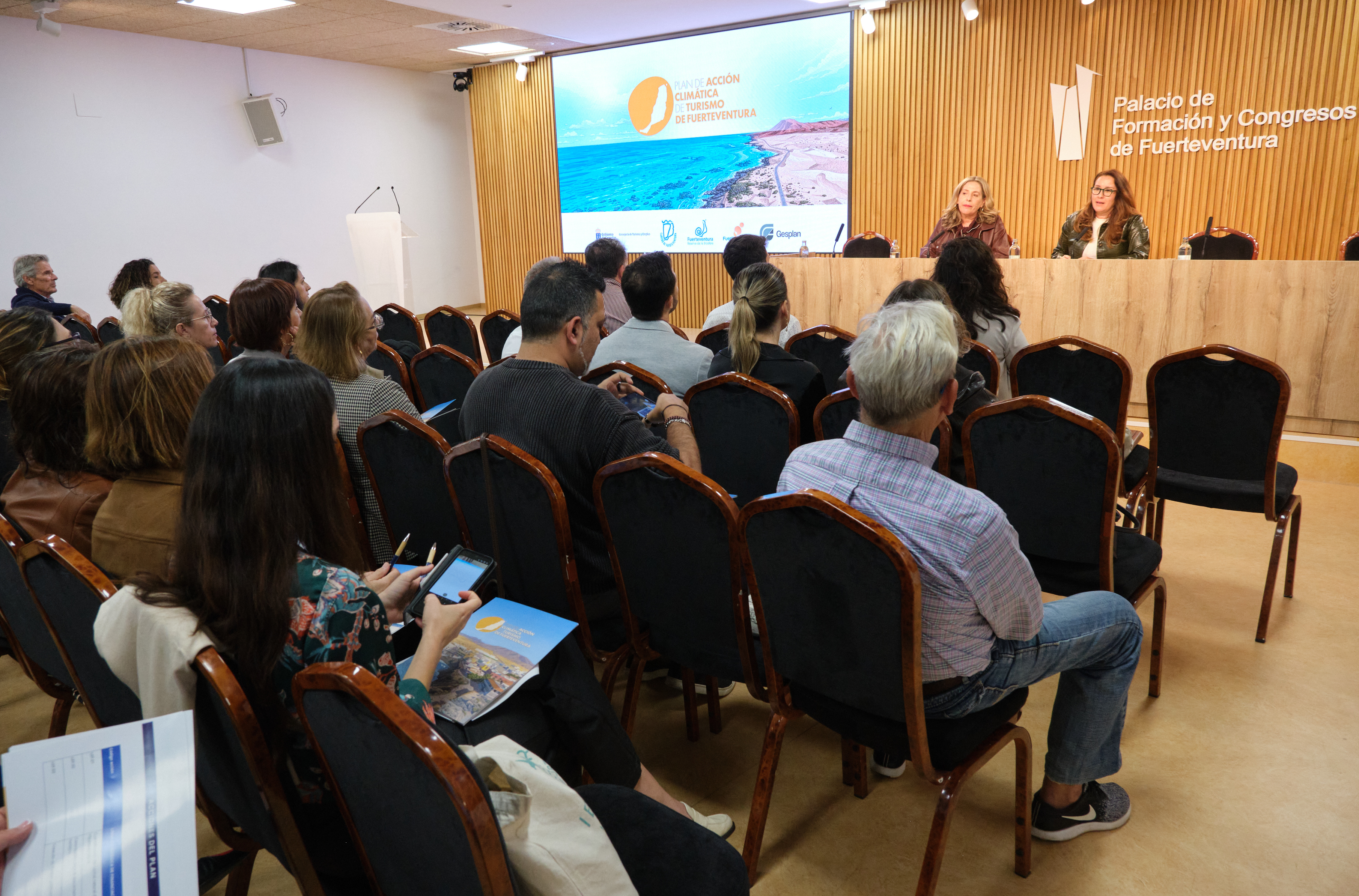
The Cabildo de Fuerteventura, through its Department of Tourism, recently convened an interactive session at the Palacio de Formación y Congresos in Puerto del Rosario. This participatory event aimed to lay the groundwork for the Climate Action Plan (PAC) for tourism on the island. It served as a valuable forum for dialogue among various stakeholders, including institutions, businesses, social entities, and citizens, all working together to shape a roadmap for the region’s decarbonization efforts.
A Vision for the Future
Opening the session, Cabildo President Lola García emphasized a critical message: “We are not merely presenting a document; we are discussing the model of the island we wish to establish.” She underscored that climate change is not a future concern but a current challenge that needs to be addressed across all areas of governance. Her remarks set a proactive tone for the day’s discussions.
Recognizing Current Efforts
García acknowledged the ongoing initiatives by the island’s government in crucial areas such as waste management, renewable energy promotion, sustainable mobility, and the revitalization of traditional agricultural systems like the gavias. She articulated a vision for tourism that prioritizes quality over quantity, aiming to generate greater value while minimizing pressure on the landscape. This Climate Action Plan outlines a clear trajectory with specific goals set for 2030, 2040, and 2050, alongside actionable measures that can begin to take effect immediately.
The Economic Role of Tourism
Tourism holds a vital place in Fuerteventura’s economy, as highlighted by the Tourism Counselor, Marlene Figueroa. She pointed out that the sector is responsible for generating over 222,000 tons of CO₂ annually on the island, which forms a substantial proportion of the total energy consumption and emissions. Figueroa stressed the importance of turning this sector into part of the solution rather than viewing it solely as a problem, framing the Climate Action Plan as not only a necessity for the environment but also as a chance to enhance the competitiveness of the island as a tourist destination.
Key Insights from Technical Experts
The initial part of the event featured insights from the technical team at Gesplan, led by project manager Adrián Pascual Espino. He provided a contextual overview of the island’s tourism model and outlined the overarching objectives of the Climate Action Plan. Geographic technician Lorena Naranjo Almeida further elaborated on specific actions designed to facilitate decarbonization and increase resilience within the tourism sector.
Strategic Framework
During the technical presentations, four strategic lines underpinned the action plan’s framework:
-
Decarbonization: This line focuses on reducing greenhouse gas emissions throughout the entire value chain of tourism.
-
Regeneration: Aimed at adapting to and protecting the island’s ecosystems and biodiversity, this line emphasizes the need for environmental stewardship amidst growing tourism pressures.
-
Governance: Establishing a lasting framework for public-private collaboration forms the bedrock of this strategic line, ensuring that all parties are aligned and working toward common goals.
-
Financing: This line seeks to secure the necessary funding to ensure that the proposed actions are sustainable over time.
Collaborative Workshops
The day culminated in a series of workshops where industry stakeholders and technical staff collaboratively reviewed and validated measures tailored to Fuerteventura’s unique geographic and socioeconomic context. These practical examples helped to ground the discussions in real-world applicability, ensuring that the Climate Action Plan is reflective of the local realities while remaining ambitious.
A Collective Effort
The Cabildo de Fuerteventura expressed gratitude for the active involvement of all participants, recognizing the contributions of the GESPLAN technical team and the Government of the Canary Islands. The event underscored the importance of collaboration among governmental bodies, the private sector, and citizens as they confront climatic challenges, all while securing the future of Fuerteventura for generations to come.
This initiative marks a significant step for Fuerteventura’s tourism industry, blending sustainability with economic vitality in a world increasingly challenged by climate change. Through focused action and unified efforts, the island is set on a path toward a robust, low-carbon future.