The Path to a Sustainable Future: Fuerteventura’s Climate Action Plan
Fuerteventura, known for its stunning beaches and vibrant ecosystems, is forging a path toward sustainable tourism through an innovative Climate Action Plan (PAC). This transformative initiative, championed by the Cabildo de Fuerteventura and spearheaded by the local Ministry of Tourism, focuses on four strategic lines: decarbonization, ecosystem regeneration, governance, and financing. With concrete objectives set for 2030, 2040, and 2050, the PAC aims to significantly reduce greenhouse gas emissions and enhance the sustainability of this beloved Canary Island.
Decarbonization: A Step Toward Lower Emissions
The cornerstone of the PAC is its commitment to decarbonization throughout the island’s value chain. The initiative seeks not only to reduce emissions but also to create a sustainable model for the tourism sector, which plays a central role in the island’s economy. As the tourism sector releases approximately 222,000 tons of CO₂ annually and accounts for a significant portion of energy consumption, the urgency for change is clear. Ongoing dialogues within the community focus on crafting specific measures tailored to the island’s geography and socio-economic realities, ensuring that they are implemented effectively and sustainably.
Regenerating Ecosystems: A Crucial Task
Complementing decarbonization efforts is the focus on regenerating ecosystems. This involves protecting and enhancing biodiversity, which is essential for maintaining the health of the island’s natural habitats. Fuerteventura’s unique ecology, from its arid landscapes to coastal ecosystems, is under threat from climate change and human activities. The PAC aims to create a buffer against these impacts, fostering resilience in both the environment and the local economy. Through targeted initiatives, the plan seeks to revive traditional land management practices – like the cultivation of “gavias,” traditional agricultural terraces – that bolster environmental sustainability.
Governance: Building a Collaborative Framework
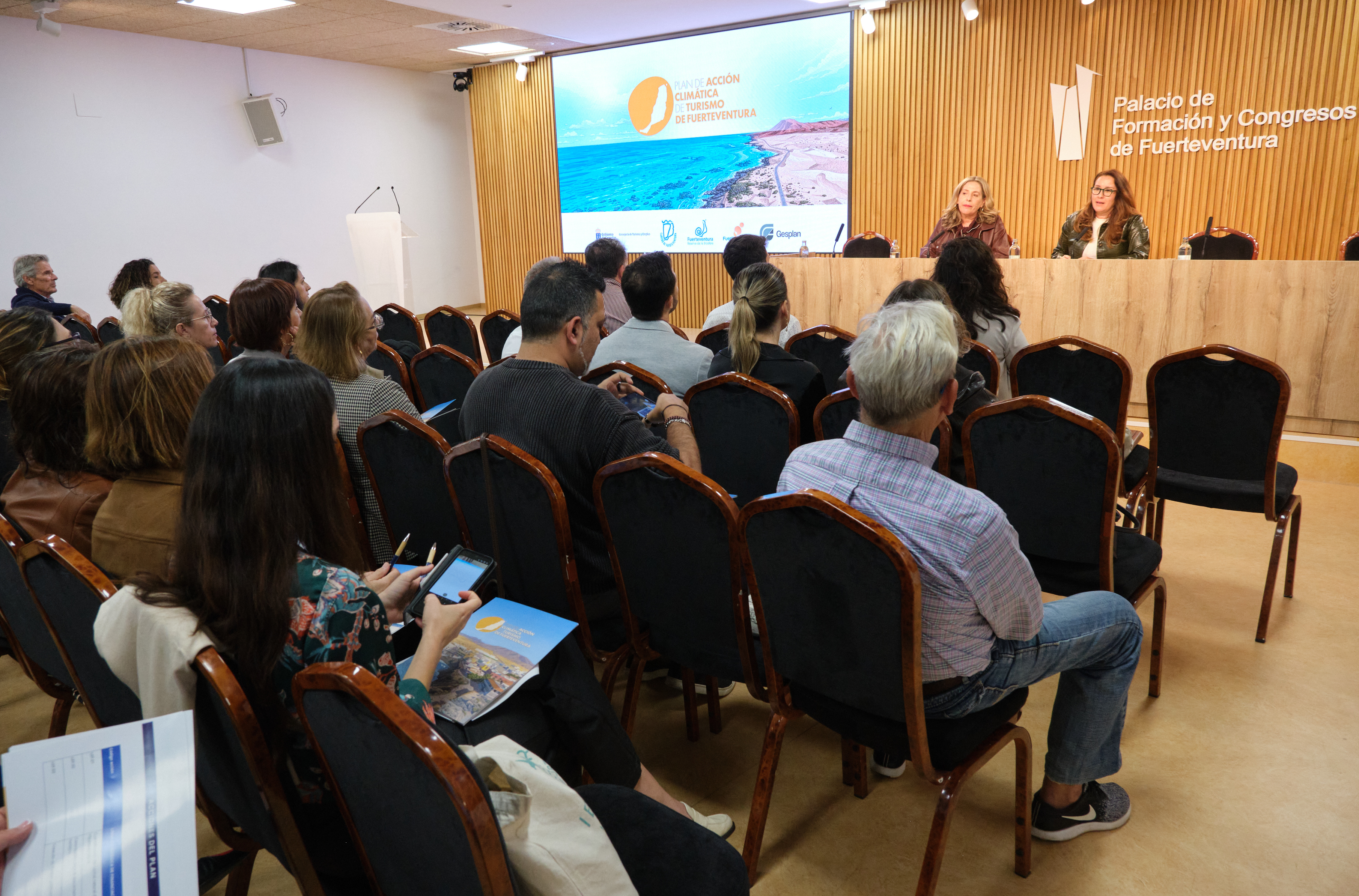
An essential element of the PAC is its governance framework. Effective collaboration between public and private sectors is crucial for the long-term success of any sustainability initiative. A recent participatory session held at the Palacio de Formación y Congresos in Puerto del Rosario emphasized the need for ongoing dialogue among institutions, businesses, and residents. This collaborative approach will help ensure that the plan meets the island’s diverse needs while also creating a shared vision for a sustainable future. Discussions during the session illuminated how various stakeholders can complement one another, maximizing the impact of the initiatives outlined in the PAC.
Financing: Ensuring Sustainability Over Time
Equally critical is the financial aspect of the PAC. Securing the necessary funding is vital to maintain the momentum of sustainability initiatives over the coming decades. The plan underscores the need for innovative financing strategies that can support projects aimed at reducing emissions and enhancing resilience. Investments in renewable energies and sustainable practices can foster a shift toward a low-carbon economy, benefiting both the environment and local communities. By identifying and engaging potential funding sources, the PAC will strive to guarantee continuity in its actions, ensuring that sustainability remains a priority regardless of the changing political landscape.
A Vision for the Future
During the participatory session, Lola García, the president of the Cabildo, articulated a powerful vision: “We are not just presenting a document; we are discussing the island model we want to consolidate.” With climate change being an immediate challenge rather than a distant concern, García emphasized that the PAC is not simply a regulatory framework, but rather a strategic roadmap toward building a resilient, sustainable future for Fuerteventura.
Marlene Figueroa, the island’s Minister of Tourism, echoed this sentiment, recognizing tourism as a vital economic engine. She pointed out the PAC’s potential to not only address environmental obligations but to enhance the competitiveness of Fuerteventura as a premier travel destination. By prioritizing low-carbon tourism practices, the island can simultaneously protect its natural heritage and attract environmentally conscious travelers.
Conclusion Note
As Fuerteventura embarks on this ambitious journey toward sustainability, it serves as a beacon of hope for other regions facing similar challenges. The collaborative, multifaceted approach of the PAC illustrates how communities can unite to address the pressing issue of climate change, ensuring a thriving future for both people and the planet. Through consistent effort and commitment, the island can inspire change that resonates far beyond its shores.