Preserving Heritage: The Recovery Project of La Rosa de Juana Sánchez
The Canary Islands government, through its Ministry of Agriculture, Livestock, Fisheries, and Food Sovereignty, has earmarked €100,000 to support an initiative led by the Municipality of Puerto del Rosario. This project aims to restore La Rosa de Juana Sánchez, a significant heritage site in Fuerteventura. The initiative is not just about excavation and renovation; it embodies a vital step toward celebrating and preserving the rich cultural tapestry of the region.
La Rosa de Juana Sánchez: An Emblematic Heritage Site
Nestled in the La Hondura neighborhood, La Rosa is regarded as one of the last holistic representations of traditional majorera architecture and its intrinsic ties to livestock farming. Recognized with a Grade of Integral Protection, this site is a historic testament to the unique way of life associated with the pastoral community of the area. Such conservation efforts are crucial not only for aesthetic appreciation but also for cultural and historical education.
A Comprehensive Restoration Initiative
The recovery work began in 2025 with local and island corporations focusing on essential cleanup operations. This phase included debris removal and the restoration of traditional dry-stone structures, ensuring the space is suitable for social, cultural, and educational activities. With a total project budget of €161,000, the intervention aims to secure the structural integrity of the building while restoring its surroundings with utmost fidelity to traditional construction techniques.
Key Figures in the Project
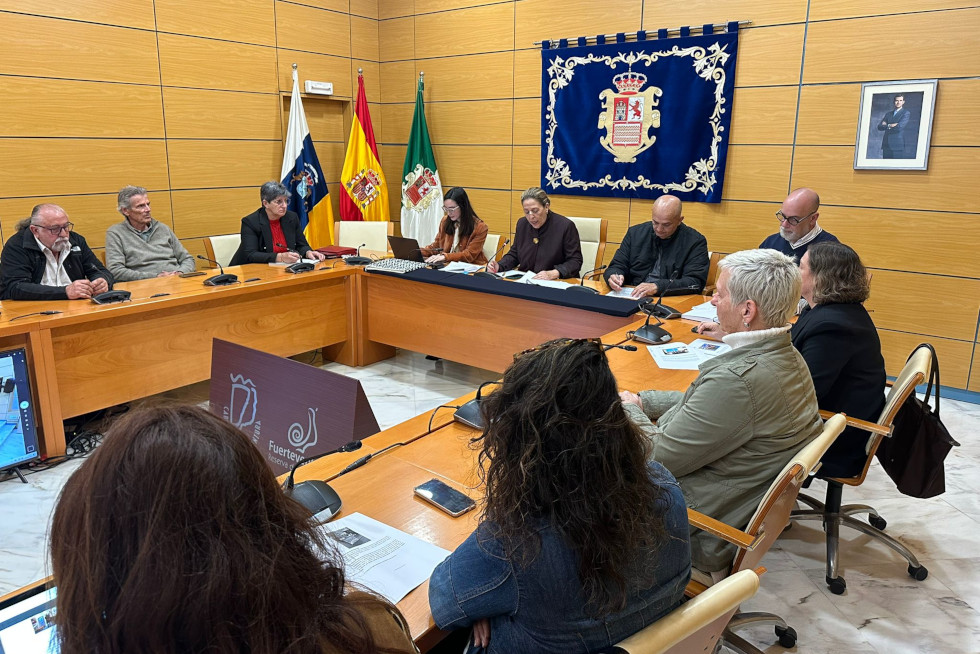
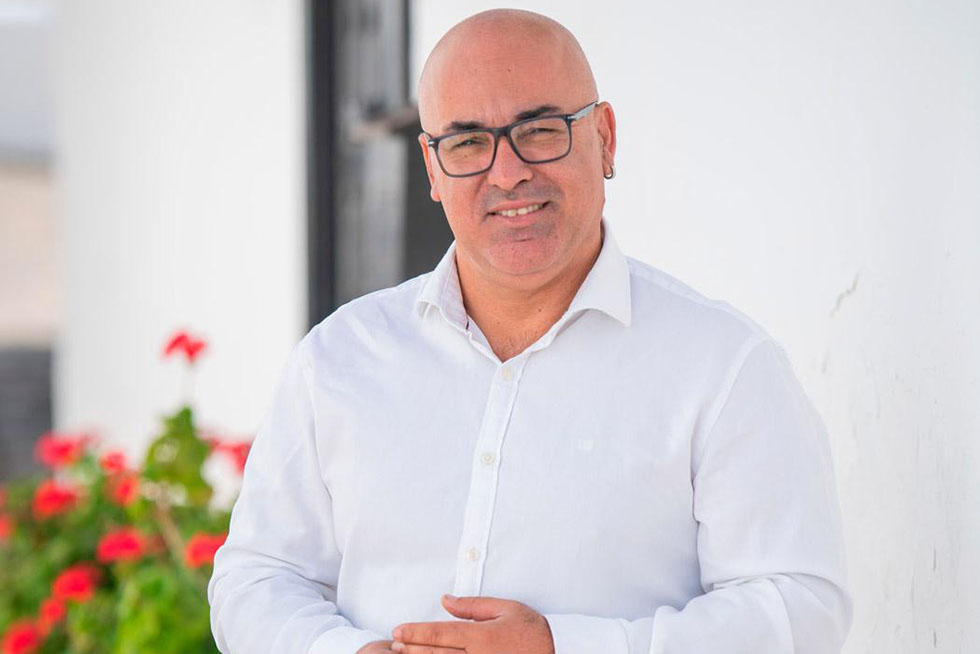
Recently, Narvay Quintero, the councilor overseeing this initiative, visited the site alongside significant local figures, including Lola García, president of the Fuerteventura Council, and David de Vera Cabrera, the Mayor of Puerto del Rosario. Their shared vision highlights not only the restoration of a physical structure but also a revival of the historical narratives tied to the region’s agricultural roots.
During the visit, Quintero emphasized, “This initiative transcends the mere recovery of an architectural ensemble; it rescues an essential part of our history tied to livestock and the primary sector.” He further articulated that sites like La Rosa serve as poignant reminders of how agricultural practices have shaped local lifestyles, community structures, and economic frameworks.
The Investment in Cultural Identity
Lola García echoed Quintero’s sentiments, bringing attention to the exceptional value of the estate. She noted that the finca stands as a remarkable testament to traditional majorera architecture. In collaboration with the Municipality, the Cabildo undertook initial cleanup operations last year, laying the groundwork for the extensive rehabilitation project now underway.
David de Vera shared his aspirations for the future of Puerto del Rosario’s primary sector, aiming to ensure its sustainability not only in production but also through cultural recognition. He highlighted the importance of fostering community spaces and collaborative efforts among different administrative bodies to realize these objectives.
Understanding the Past through La Rosa
La Rosa de Juana Sánchez is more than a simple rural dwelling; it serves as a complete livestock settlement, strategically organized for breeding majorera goats. The estate’s owner, Juana Sánchez Pérez, is remembered for her exceptional ability to maximize land productivity — embodying the deep connection between livestock management and pastoral resources.
Covering over 25,800 square meters, the site houses essential elements of this agricultural lifestyle, including a pastoral home, livestock enclosures, and a network of stone walls that define grazing areas, along with a threshing floor vital to the mixed economy that sustained farming families.
The Vision for the Future: An Educational Center
The ambitious rehabilitation plans to transform the space into the future “Center for Majorera Livestock and Pastoral Landscape Interpretation.” This vision aims not only to preserve heritage but also to enhance its role as an educational and cultural platform. It will house a museum and exhibition area, livestock classrooms, multi-purpose spaces for events, and serve as an information hub for guided tours that illustrate the pastoral landscape.
Aligning with Broader Strategies
This project is part of a broader strategy by the regional government to safeguard agrarian and livestock heritage across the Canary Islands. Such efforts recognize these spaces as essential components of the archipelago’s identity and function as tools to bridge connections between the past, present, and future of the primary sector, promoting sustainable development, population retention, and the active conservation of the islands’ primary heritage.
Through initiatives like this, La Rosa de Juana Sánchez stands poised not only to reclaim its physical space but also to reaffirm its place in the collective memory and cultural narrative of Fuerteventura, ensuring that the legacy of traditional practices is preserved for generations to come.