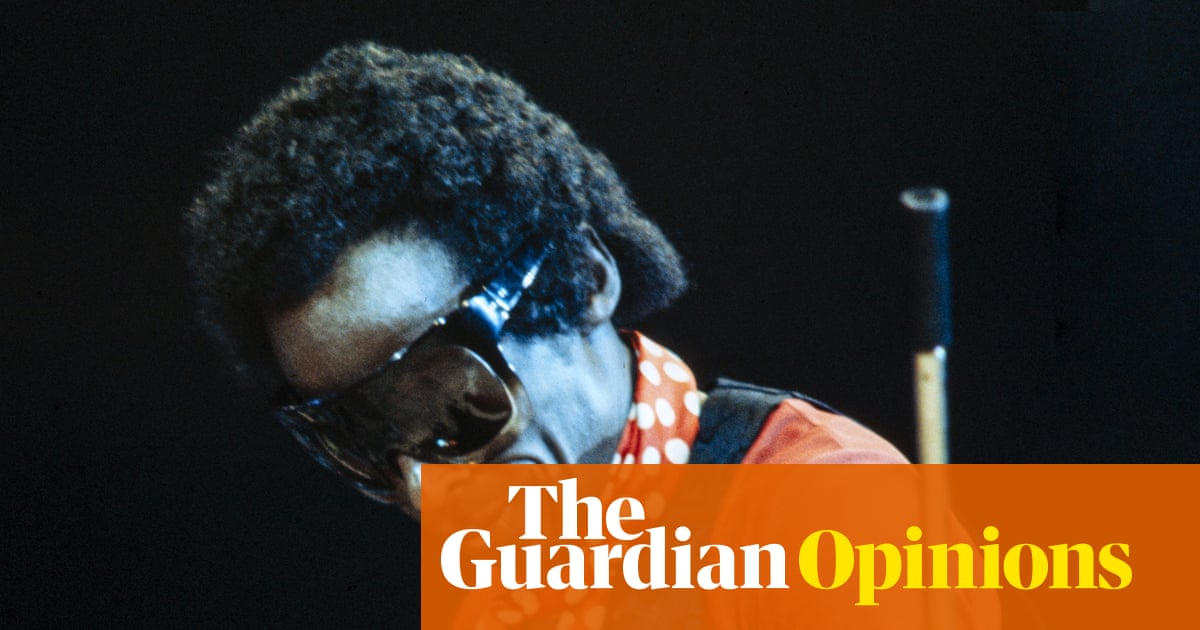
The Legacy of Miles Davis: A Journey Through Innovation and Transformation
The space reserved for Miles Davis in the pantheon of 20th-century music is not simply because he mastered jazz, but because he refused to let it stand still. As musicians and fans mark the centenary of his birth, Davis’s work still feels limitless. “I always thought that music had no boundaries,” he wrote in his 1989 autobiography, “no limits to where it could grow and go, no restrictions on creativity.” This philosophy drove Davis to continually dismantle the sound he had helped invent, embracing the electric age in 1968, much like Bob Dylan did in folk music.
Early Influences and the Birth of Cool
Davis moved to New York as an 18-year-old after hearing the revolutionary sounds of Dizzy Gillespie and Charlie Parker. While bebop prized speed and complexity, Davis preferred a more restrained and precise approach, spearheading the cool jazz movement. His early work laid the groundwork for a new sound that would captivate audiences and influence generations of musicians. By the late 1980s, now regarded as the grand old man of jazz, he was even collaborating with pop icons like Prince, whom he believed could be the “new Duke Ellington of our time if he just keeps at it.” This refusal to be pigeonholed was a hallmark of Davis’s career; he famously disliked the term “jazz,” insisting that whatever it was had to evolve.
Innovations and Iconic Albums
Davis believed that innovation was essential for the survival of tradition. In 1949, he released the groundbreaking Birth of the Cool sessions, which filtered bebop through a softer lens. A decade later, he produced the modal masterpiece Kind of Blue, which has been hailed as one of the greatest jazz albums of all time. This period of rebirth was significantly influenced by his marriage to dancer Frances Taylor, who helped transform him from a heroin-ravaged sideman overshadowed by the photogenic Chet Baker into a figure of elegance and control. However, this reinvention was short-lived; Taylor eventually left Davis, worn down by his violence and addiction.
The Second Great Quintet and the Avant-Garde
Davis’s second great quintet, featuring saxophonist Wayne Shorter and pianist Herbie Hancock, marked the end of the 1960s. This ensemble produced some of the most breathtaking works of the era, including In a Silent Way and the avant-garde masterpiece Bitches Brew, which shattered musical conventions with its 26-minute improvised title track. This album not only redefined jazz but also paved the way for the fusion genre, blending elements of rock, funk, and electronic music.
The Dark Years and Resilience
In 1975, Davis famously retired, a move that seemed like a full stop in his career. He would not pick up his trumpet for almost five years, succumbing to drug use in a grim New York brownstone filled with sex workers and drug dealers. He described the house as “filthy and real dark and gloomy, like a dungeon,” a stark contrast to the vibrant music he had created. This period of darkness was a testament to the struggles he faced, both personally and professionally.
The Complexity of Genius
Davis’s genius coexisted with brutality. He was deeply scarred by American racism, particularly police violence and an industry that favored white performers over black innovators. While he claimed, “I didn’t hate women; I loved them, probably too much,” his own admissions reveal a long history of physical abuse, exploitation, and chronic infidelity. This complexity makes him a figure of both admiration and controversy.
The Divide Among Jazz Purists
Davis had his critics, particularly among purists who believed in a more traditional form of jazz. One of his most vocal detractors was the dazzlingly gifted trumpeter Wynton Marsalis, who dismissed Davis as a “sellout” for covering pop songs in eye-catching outfits. At just 21, Marsalis sneered that Davis’s music was a “letdown” that would have Charlie Parker “rolling in his grave.” The divide between the two musicians was too wide for reconciliation, but after Davis’s death, Marsalis offered a belated concession, acknowledging that “few in jazz or any other music have been as good as he was at his best.”
A Lasting Impact
While Marsalis sought to preserve jazz, Davis aimed to keep it alive and evolving. This fundamental difference in philosophy has shaped the discourse around jazz for decades. History has largely settled the argument, recognizing Davis as a pivotal figure who not only transformed jazz but also expanded its boundaries, ensuring its relevance for future generations. His legacy continues to inspire musicians and fans alike, reminding us that music, like life, is a journey of constant evolution.