The Best Time to Visit Spain: A Seasonal Guide
Spain is a country that offers a rich tapestry of experiences throughout the year. From the sun-soaked beaches of the Mediterranean to the lush green hills of Galicia, the best time to visit Spain truly depends on what you seek from your journey. Understanding the seasonal variations across different regions will help you tailor your trip to your preferences, whether you’re after vibrant festivals, serene hikes, or cultural explorations.
Understanding Spain’s Seasons at a Glance
Spain’s tourism calendar can be broadly divided into three main seasons: the bustling high season from June to August, the shoulder seasons in spring and autumn, and the quieter low season in winter. Each of these periods brings its own unique conditions, influenced by the diverse climates across the country.
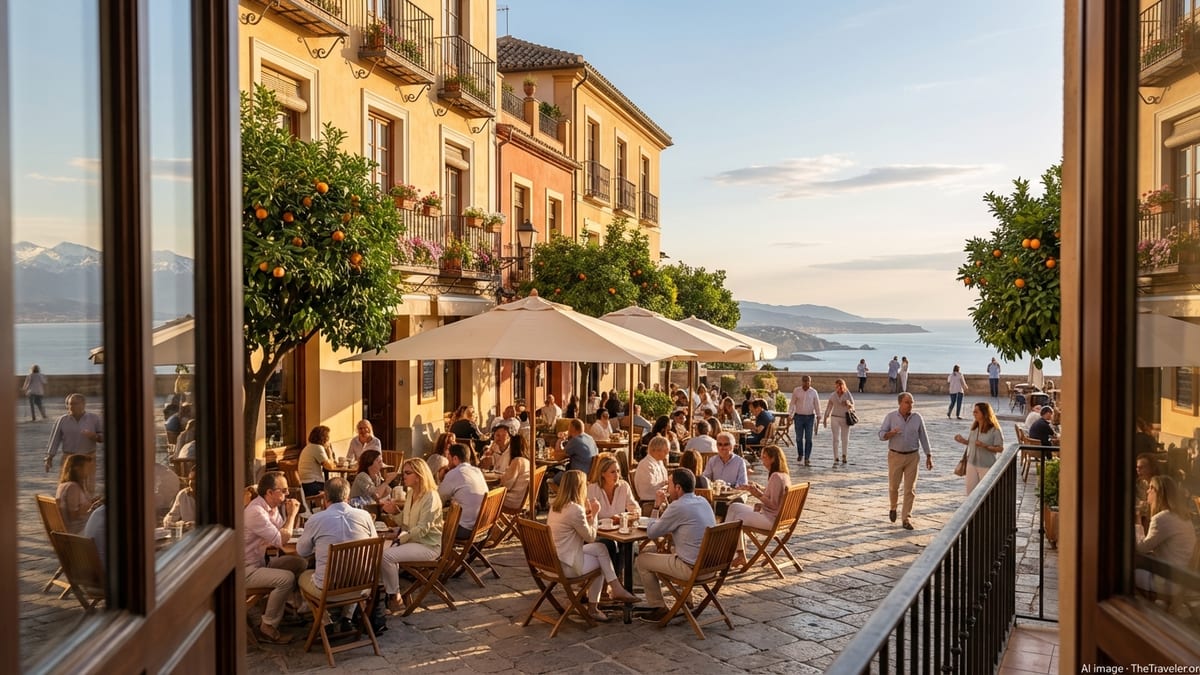
Spring and autumn are often considered the most balanced times for a visit. During these months, temperatures are generally mild, outdoor cafés are lively but not overcrowded, and accommodations are more accessible than in the peak summer months. These seasons are ideal for city breaks, wine tours, and road trips that allow you to explore multiple regions.
Summer is synonymous with beach life, nightlife, and famous festivals. However, it can also bring sweltering heat, especially in inland cities, and prices tend to soar in popular coastal areas. Winter, on the other hand, offers excellent value for budget travelers, along with festive Christmas lights and skiing opportunities in the Pyrenees and Sierra Nevada.
When Weather Matters Most
For those prioritizing comfortable temperatures, the sweet spots are typically from April to early June and late September to October. During these months, central and Mediterranean Spain enjoys warm, sunny days and cooler evenings, perfect for sightseeing and enjoying outdoor terraces.
Inland areas like Madrid and Andalusia can become extremely hot in July and August, making midday excursions uncomfortable. Travelers sensitive to heat often plan their days around the cooler mornings and evenings, reserving the afternoons for rest indoors. If you’re keen on exploring landmarks like the Alhambra or the major museums in Madrid, the shoulder seasons are your best bet.
Conversely, northern Spain, including Galicia and the Basque Country, is most pleasant from June to early September. Summers here are cooler and often cloudier, providing a refreshing alternative for those who find the Mediterranean heat overwhelming. However, spring and autumn can bring unpredictable weather, so packing layers is advisable.
For winter sun, the Canary Islands stand out. Their subtropical climate ensures mild temperatures from November to March, making them a popular escape during Europe’s colder months.
Timing Your Trip by Experience
The best time to visit Spain often hinges on the experiences you wish to have. For art lovers and foodies, spring and autumn usually provide the best mix of weather, daylight, and manageable crowds. Museums are less crowded, outdoor dining is still enjoyable, and locals are back in their routines.
If your heart is set on beach days and warm sea swimming, aim for late May through September along the Mediterranean coast and Balearic Islands. June and September are particularly appealing for those seeking a lively atmosphere without the overwhelming crowds of July and August.
Outdoor enthusiasts planning hikes in the Pyrenees or other mountain ranges should consider late spring through early autumn. April and May may still have lingering snow, while late September and October offer stable weather and stunning autumn colors.
Best Time for Budget Travelers and Crowd Avoiders
For those focused on budget-friendly travel, the low season from November to February (excluding major holidays) can be particularly appealing. Hotel rates and airfares tend to drop, and popular attractions are less crowded. This is especially true in cities like Madrid and Barcelona, which maintain vibrant cultural activities even in winter.
However, travelers should be aware of shorter daylight hours and cooler temperatures, particularly in northern regions. Winter also brings festive Christmas markets and Three Kings parades, adding a unique charm to the experience.
For those looking to avoid crowds, the shoulder months—late March, April, May, late September, and October—offer a significant drop in visitor numbers and prices compared to the peak summer months. These months also see fewer local closures than August, when many businesses may shut down for vacation.
Festivals, Events, and the Best Time for Culture Lovers
Spain’s festival calendar is a major attraction, and it can significantly influence the atmosphere in towns and cities. Some travelers plan their trips around specific celebrations, while others prefer to avoid the busiest periods.
Spring is particularly rich in cultural events. Carnival celebrations in February, the Fallas festival in Valencia in March, and Holy Week processions in Andalusia draw large crowds but offer immersive experiences.
Summer is the season for music festivals, with major events occurring from June through August in cities like Barcelona and Madrid. Coastal towns also host local fiestas, creating a vibrant atmosphere for nightlife enthusiasts.
Autumn brings its own cultural flavor, especially in wine regions like La Rioja, where grape harvests and related festivities provide a glimpse into Spain’s winemaking traditions. Major cities also ramp up their cultural offerings, making this an excellent time for art lovers.
Regional Breakdown: Matching Destinations to Months
Spain’s diverse regions each have their own ideal visiting times. Understanding these patterns can help you align your travel plans with the best conditions.
-
Andalusia: Best enjoyed in spring and autumn (April, May, October, early November) for comfortable temperatures. Midsummer can be extremely hot, so plan for early sightseeing and late-night outings.
-
Mediterranean Coast and Catalonia: The beach season runs from late May to September, with the most vibrant atmosphere. For a more relaxed experience, consider visiting in May, June, or September.
-
Northern Spain: The best time for coastal walks and mountain hikes is generally from June to early September, when rainfall is lower and temperatures are mild.
Special Interests: Food, Wine, Hiking, and Nightlife
Fine-tuning your travel dates around specific interests can enhance your experience. Culinary travelers might prefer autumn for seasonal specialties, while wine lovers should aim for harvest time in September and October.
Hikers often favor late spring and early autumn for milder temperatures and fewer crowds. Nightlife enthusiasts will find the most vibrant scenes from late spring through summer, particularly in coastal areas and the Balearic Islands.
By aligning your travel plans with your passions, you can create a more fulfilling journey through Spain’s diverse landscapes and cultures.


