The Unique Craft of Tofio: A Journey into Fuerteventura’s Pottery Tradition
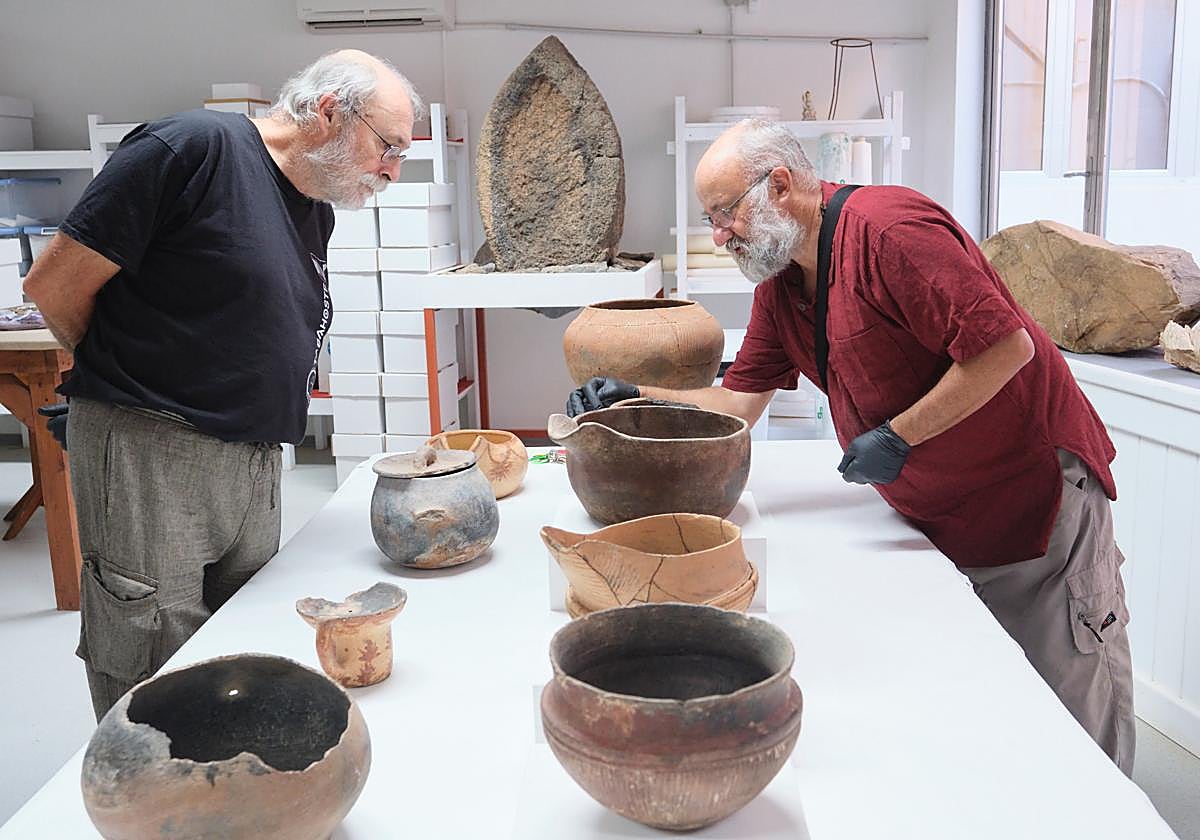
When Silverio López, a talented potter from Fuerteventura, is asked to highlight a piece from indigenous and popular ceramics, he eagerly picks the tofio, also known as tabajoste. This choice isn’t random; it reflects the historical significance and cultural artistry embedded in this unique ceramic piece. Alongside fellow potter José Ángel Hernández, López shared insights during the recent Erbania cultural cycle at the Archaeological Museum of Fuerteventura, located in Betancuria. This initiative aims to shed light on hidden treasures not commonly exhibited.
Understanding the Tofio/Tabajoste
The tofio, a key representation of Fuerteventura’s pottery, dates back to the Mahos culture, where it served primarily as a milking vessel. López and Hernández emphasize that while the function of the tofio remains unchanged, its design and aesthetic finishes have evolved. The traditional craftsmanship behind its creation, however, remains intact, linking generations through generations.
In indigenous culture, the tofio was often embellished with intricate incisions and grooves, showcasing its notable form—a characteristic that sets it apart from the more conventional circular pottery found on other islands. López highlights the experimental shapes that have emerged, mentioning that recent archaeological findings reveal pieces that defy the typical circular mold, taking on a more oval or irregular form, even featuring decorations on the inside.
The Artisan’s Hand: Centers of Pottery in Fuerteventura
López, who has authored the renowned ‘Manual de alfarería canaria’, explains the existence of pottery centers specific to each Canary Island, with Fuerteventura notable for its Valley of Santa Inés location in the municipality of Betancuria. This area historically served as a significant hub where women took their pottery skills and knowledge to other islands, including La Atalaya de Santa Brígida in Gran Canaria and Candelaria in Tenerife. The legacy of majoreras (women from Fuerteventura) is still referenced today in various local pottery narratives.
Quality of Clay: The Heart of Craftsmanship
One of the defining aspects of pottery across the islands lies within the clay’s quality—a crucial element that influences the final outcome of each piece. López points out that while the fundamental techniques of pottery remain similar across the islands, the quality of clay varies significantly. For instance, the clay from La Atalaya de Santa Brígida is more malleable, allowing artisans to create specific finishes not possible with the clay found in Candelaria.
The Process and Significance of Traditional Firing Techniques
The firing methods used in traditional Canarian pottery significantly differentiate it from other ceramics. López notes that potters across the islands primarily utilized direct fire methods. Unlike the controlled kiln firing seen in other regions, Fuerteventura relied on open-fire techniques. This practice not only creates a distinct texture and finish but also speaks volumes about the resourcefulness of the artisans who built their craft without modern conveniences. Such methods are also observed in other islands like Lanzarote and La Palma, showcasing regional similarities.
The Ebb and Flow of Pottery Traditions
López reflects on the fading practice of traditional pottery in the Canary Islands, lamenting that the craft has largely disappeared along with the last potters, often referred to as loceras. The current pottery landscape represents a continuation rather than a true tradition, evolving from techniques honed over centuries into simplified versions that may overlook the richness of knowledge once passed down.
Pottery skills were often shared from mothers to daughters, creating a familial lineage of craftsmanship. From a young age, girls learned the various stages of pottery making, ensuring that they could participate in producing pieces intended for everyday domestic use—often for tasks like milking animals or fetching water. However, today’s institutions discourage the use of unglazed pottery due to concerns over the porous nature of Canarian clay, which may harbor harmful pathogens. This deviation means that many traditional characteristics of the pottery—including its natural beauty—are often lost to glazing.
Revitalization of Knowledge through Publications
In an effort to keep this rich tradition alive, Silverio López has published the second edition of the ‘Manual de alfarería canaria’ in collaboration with the Pueblo Majo Association of Lanzarote and the Government of the Canary Islands. The new edition expands on his foundational work, integrating insights from co-authors José Ángel Hernández and Toño Armas, focusing on the distinctive pottery from El Mojón in Lanzarote. This showcases the ongoing dedication to documenting and revitalizing the artistry and history of Canary Island pottery, ensuring it continues to inspire future generations.
Through the passion and dedication of artisans like Silverio López, the legacy of the tofio and its significance in Canarian culture is preserved, sparking interest in both historical appreciation and contemporary practices in pottery.
![[gpt_title] Rewrite this article’s title in the tone of *Fuerteventura Times* — calm, intelligent, and curiosity-driven. Keep it under 60 characters. Focus on themes like consciousness, healing, creativity, or neuroscience — avoid hype or clickbait. Make it sound soulful yet journalistic. Examples: “The Science of Stillness,” “Microdosing for Meaning,” “A New Age of Conscious Healing.” [/gpt_title]](https://cdn2.psychologytoday.com/assets/styles/manual_crop_1_91_1_1528x800/public/teaser_image/blog_entry/2026-03/gkuppert-mushrooms-5892668_copy.jpeg.jpg?itok=tgdbGsor "[gpt_title] Rewrite this article’s title in the tone of *Fuerteventura Times* — calm, intelligent, and curiosity-driven. Keep it under 60 characters. Focus on themes like consciousness, healing, creativity, or neuroscience — avoid hype or clickbait. Make it sound soulful yet journalistic. Examples: “The Science of Stillness,” “Microdosing for Meaning,” “A New Age of Conscious Healing.” [/gpt_title]")
