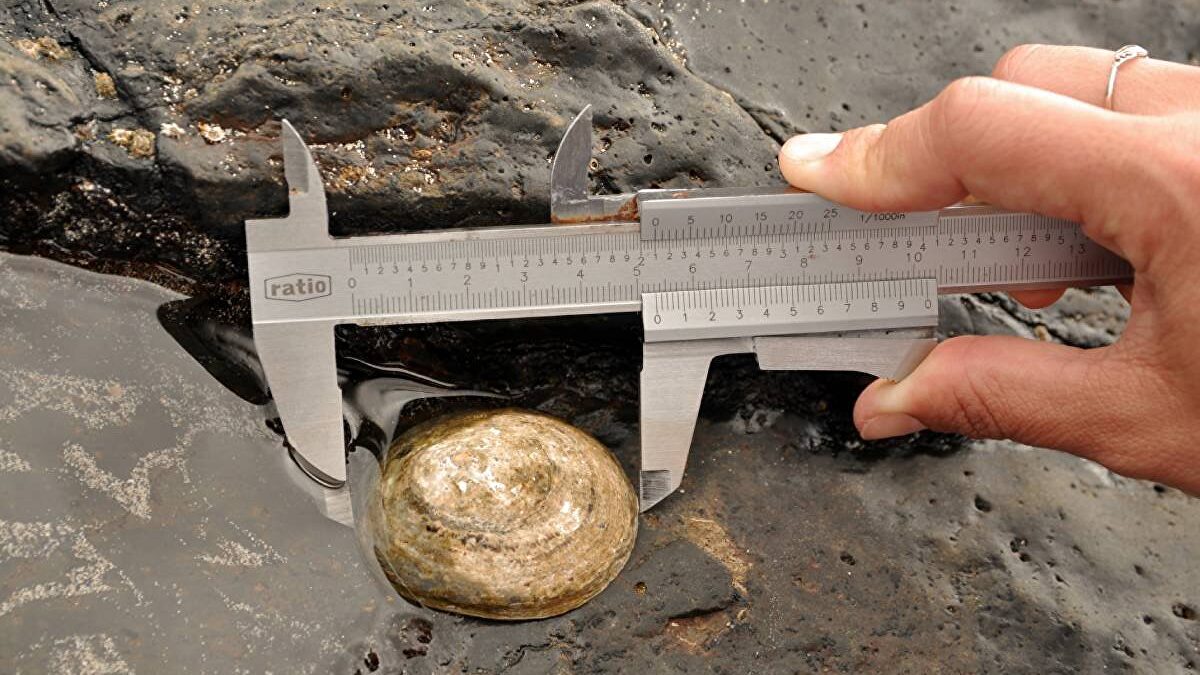
The Plight of Patella candei: A Call to Action
A recent scientific study led by the University of La Laguna has unveiled a troubling reality for the survival of Patella candei, commonly known as the majorera limpet. This endemic species is unique to the island of Fuerteventura and the Savage Islands in Madeira. Unfortunately, researchers have discovered that this mollusk has virtually vanished from the coastlines of Fuerteventura and the nearby Lobos Island.
Grim Findings of the Study
The research, published in the scientific journal Aquatic Conservation: Marine and Freshwater Ecosystems by the Marine Community Ecology and Conservation research group, reveals that only a single relic population remains, located in the southern part of Fuerteventura, specifically in the Jandía Peninsula. This drastic decline positions the species at a significant risk of extinction within the Canary Islands archipelago.
The study forms part of the doctoral thesis of researcher Marina Aliende Hernández, under the supervision of José Carlos Hernández and Beatriz Alfonso. A key figure in this research is honorary professor Jorge Núñez, who conducted the first surveys of this species back in 1994. His early work has provided invaluable historical context to assess the ongoing decline of Patella candei.
The Habitat of Patella candei
The majorera limpet typically inhabits intertidal zones, where it becomes exposed to air during low tide. This exposure renders the species incredibly vulnerable to fishing pressures, which have emerged as a primary threat to its populations. It is noteworthy that a recovery plan was introduced by the regional government in 2015, establishing vital conservation areas and enforcing a complete ban on harvesting. Nonetheless, this initiative has proven inadequate, as there has been no observed improvement in the status of these populations.
Urgent Need for New Strategies
In light of the alarming situation, experts emphasize the urgent need for the development of new strategies. The study indicates that the ongoing survival of Patella candei in Jandía is not a coincidence; the area experiences strong waves throughout the year, which complicates access to the shoreline and, subsequently, reduces illegal harvesting. Additionally, the research has examined the impact of rising sea and air temperatures, suggesting that the warming trends observed over recent decades may also contribute negatively to the species’ survival.
Reproductive Challenges
Patella candei engages in external fertilization, which necessitates a large number of mature individuals to be in close proximity for successful reproduction. The drastic reduction in their numbers signals a dire situation. Consequently, the study’s authors conclude that future protective measures must focus on investigating laboratory cultivation techniques for potential reinsertion into areas with oceanographic conditions similar to their last refuge.
A Glimmer of Hope
While the news regarding Patella candei is bleak, it also underscores the importance of comprehensive research and targeted conservation efforts. Innovative solutions, such as cultivating the species in controlled environments, offer a promising avenue for mitigating the decline and ensuring the survival of this iconic mollusk.
In summary, the plight of the majorera limpet serves as a poignant reminder of the fragility of marine ecosystems and the urgent need to take action for their preservation.