Unraveling the Mysteries of Ancient Erbania and the Majos of Fuerteventura
On March 11, 2026, a riveting discussion about the ancient island of Erbania unfolded at the Museo Arqueológico de Fuerteventura (MAF). Moderated by environmental journalist César Palacios, esteemed scholars Dr. Paloma Vidal and Dr. Juan Miguel Torres took center stage, exploring the ecological and cultural heritage of the first inhabitants of Fuerteventura — the Majos. Their insights shed light on how these early settlers thrived despite the environmental challenges they faced.
Geography and Climate of Ancient Erbania
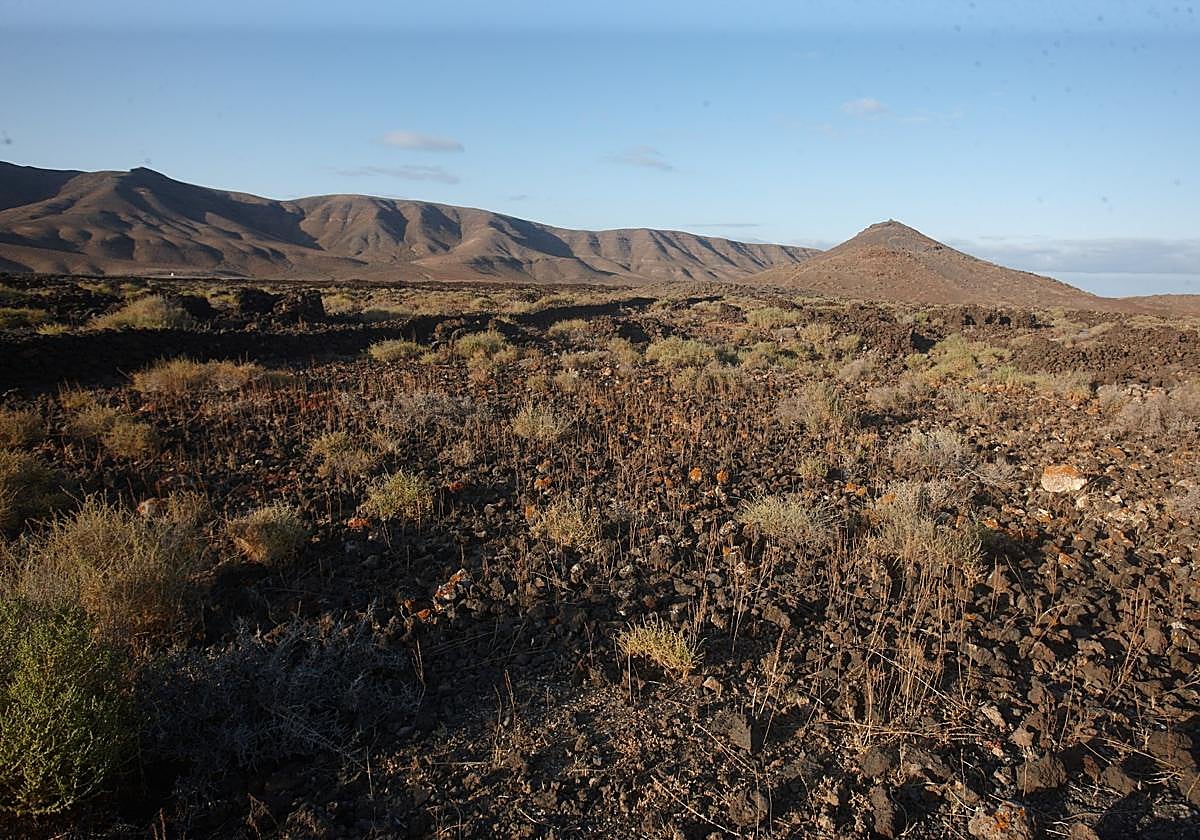
Located in the Canary Islands, the ancient Erbania is thought to share a similar geographical layout with present-day Fuerteventura. However, Dr. Torres highlighted that its soils were markedly different due to extensive erosion that has occurred over the years. He pointed out that the ongoing degradation of soil quality has been substantial, with potential losses of thickness ranging from 20 centimeters to a meter every 1,000 years.
The climatic conditions of Erbania were not conducive to lush landscapes; indeed, there is little evidence to suggest the presence of dense forests. Images from the past reveal a landscape characterized more by sparse, scattered vegetation than by overarching canopies. Dr. Torres further indicated that recent paleoclimatic studies imply that the desertification processes of the Sahara, initiated around 4,000 years ago, also influenced the climatic conditions of Fuerteventura.
Life of the Majos
The Majos, as characterized by Dr. Vidal, were remarkable for their sustainable practices. Their main habitat was concentrated in the central part of the island, and findings from the archaeological site Cueva de Villaverde reveal a fascinating aspect of their interaction with their environment. Evidence of wood collection indicated that the Majos tended to gather already-dead trees for fuel, signifying a sustainable approach to managing natural resources.
Cave carbon samples also unveiled a varied ancient vegetation composition. The analysis uncovered an abundance of drought-adapted shrubs, such as spiny bushes and salado, alongside medium presence of thermophilic forests, including species like sabina and drago. Nevertheless, the findings highlighted the low occurrence of laurisilva species, often associated with more humid climates.
Climate Variations
The climate of Erbania was not static; it experienced fluctuations that mirrored wider regional trends. During the warmer Roman period, which extended into the fifth century, the island likely enjoyed more favorable weather. This was succeeded by cooler and arid phases, culminating in a climate shift by the 11th century. The researchers posited that such variations likely influenced both the ecology and the livelihood practices of the Majos, emphasizing their adaptability.
Sustainable Resource Management
Dr. Vidal noted a particularly intriguing detail regarding the Majos’ resource management strategies. The analysis of wood samples indicated that the Majos were careful to gather wood sustainably — a commendable and often overlooked attribute of ancient societies. This practice not only ensured their survival but also shows awareness of ecological balance, a vital concept still relevant in today’s discourse on environmental preservation.
The Erosion of Heritage
Another vital point discussed by Dr. Torres was the erosive forces acting on the landscape over millennia. The erosion processes have resulted in significant changes in both topography and ecosystem, leaving the available resources substantially diminished. The degradation of soil directly impacts the types of vegetation that can thrive, further reshaping the life of those dependent on these resources.
Visual Insights into Majos Heritage
Visual elements brought the discussion to life, showcasing artifacts and reconstructions of the Majos’ dwellings. The images of the ‘casas hondas’ (deep houses) from the site of La Atalayita in Pozo Negro depicted the architectural ingenuity of the Majos, emphasizing their adapting strategies to the surrounding environmental conditions.
As the discussion concluded, it left participants reflecting on the endurance and resilience of human societies in the face of ecological adversity. The legacy of the Majos remains a testament to the interplay between culture, environment, and sustainability, offering valuable lessons for future generations. The insightful contributions from Dr. Vidal and Dr. Torres not only enhanced our understanding of Erbania but also sparked a broader conversation about our relationship with the natural world today.