The Overcrowding Crisis at Isla de Lobos Natural Park
The Isla de Lobos Natural Park, a pristine gem off the coast of Fuerteventura, is facing a significant crisis due to rampant tourism. Every stakeholder, from the local city council to environmental authorities, acknowledges the urgent need to impose limits to preserve this protected space. The need to address the overexploitation of this iconic location is becoming increasingly critical.
The Summer Surge
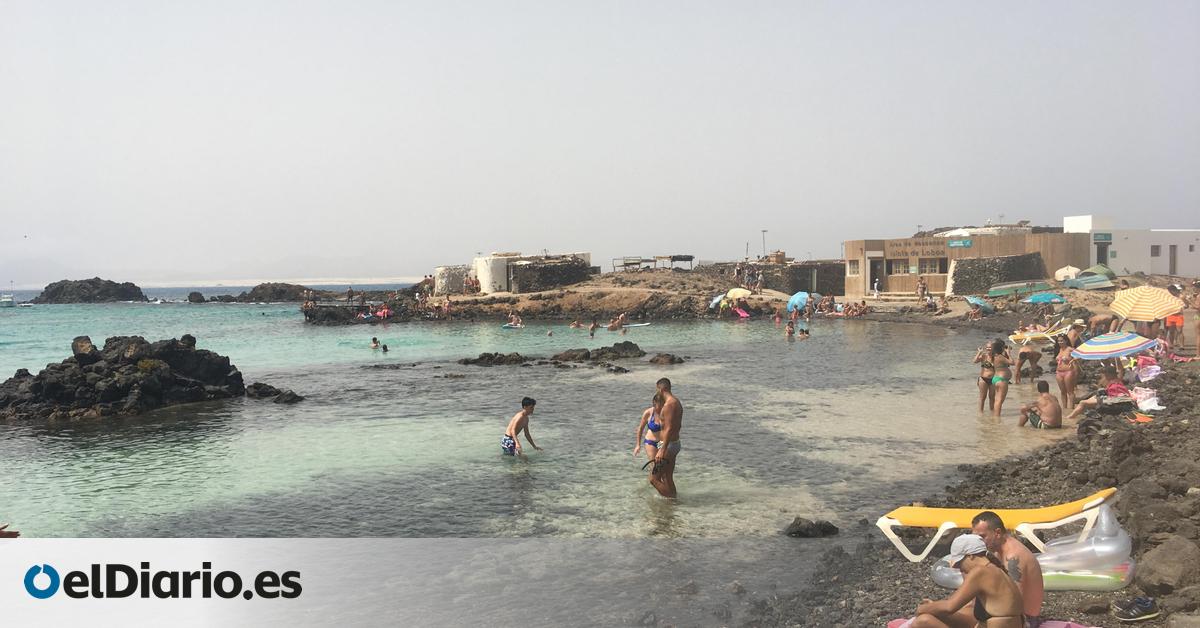
This past summer, the situation reached a boiling point. La Concha beach was so packed that finding an additional towel’s worth of space was nearly impossible. The small harbor at El Puertito was overwhelmed as “water taxis” continuously ferried visitors in droves. Locals expressed their frustrations daily, inciting protests against this unchecked influx. Current estimates reveal visitor counts during July and August ballooned to an astonishing ten times the allowable maximum of 200 visitors per day, as stipulated in the park’s management plan.
A Tidal Wave of Tourists
With two boats from Lanzarote, three from Corralejo, and numerous “Zodiac taxis,” catamarans, yachts, and sailboats flooding the island, an average of 2,000 people were making daily landings. Social media was abuzz with discontent, with references like “Scandal in Isla de Lobos” highlighting the public’s outrage.
Voices of Concern
Pedro Hernández, a tourism resource management professor from Lanzarote’s university, regards Isla de Lobos as an invaluable tourist resource. He emphasizes the necessity for compliance with the park’s management plan, warning that neglecting established regulations risks turning the islands into mere commodities, devoid of their natural splendor. “If we destroy the biodiversity and tranquility of the park, nothing will remain,” he cautions.
The Atlantic Conference
At the recent Atlantic Conference on the Environment, discussions centered on the vital themes of public use and management of protected natural spaces. One particularly heated topic was the capacity limits for Isla de Lobos. Pilar Ruiz de la Vega, a representative from the Cabildo, outlined the various legal protections the island enjoys, such as its designation as a Natural Park and a Biosphere Reserve. However, when questioned about the rampant issues with water taxis, the room fell silent.
Examining Effective Management Strategies
Drawing from experiences elsewhere, José Antonio Fernández Bouzas, director of the Atlantic Islands National Park in Galicia, shared insights on successful environmental management in similar parks. He highlighted that while tourism can significantly benefit conservation efforts, effective regulation is crucial to mitigate negative impacts. He proposed establishing maximum visitor limits as a basis for responsible tourism management.
Strategies for Visitor Control
According to Fernández Bouzas, proper visitor management entails regulating maritime access, anchoring permissions, and monitoring visitor impact. Peak seasons—summer and Easter—should be subject to stringent landing authorizations. In places like the Cíes Islands, a computerized reservation system mandates vessels connect to a central system, ensuring compliance with visitor quotas.
Rising Visitor Quotas
Currently, Isla de Lobos maintains a strict daily limit of 200 visitors, with discussions underway to increase this cap to 704. This proposal has met considerable resistance from local environmental groups. Eugenio Reyes of Ben Magec questions the sustainability of such an increase, advocating for a rigorous examination of ecological footprints and advocating for long-term monitoring to ensure the natural balance is maintained.
The Role of the Protected Space Board
The establishment of the Protected Spaces Board for Fuerteventura signifies progress. Recent discussions have focused on increasing the daily visitor cap from 200 to 700, a proposal met with skepticism. Fayna Brenes Quevedo, a member of the citizen participation committee, has voiced strong concerns, suggesting that regulatory enforcement, not merely cap adjustments, should be prioritized to curb the overwhelming visitor pressure.
Addressing Safety Concerns
Local policymakers have not overlooked public safety amidst this chaos. Andrés Briansó, a Podemos spokesperson, has called for tighter regulations on water taxis to prevent accidents, highlighting safety threats posed to swimmers and divers by the boats landing indiscriminately on the island. He advocates for dedicated environmental oversight to manage these pressing concerns effectively.
The Challenge of Administrative Coordination
Mayor Isaí Blanco acknowledges the challenges of managing a natural area like Isla de Lobos, where jurisdictional overlaps complicate interventions. The need for efficient communication and coordination between various governing bodies—like the Cabildo and coastal management authorities—is essential to enact significant changes.
Best Practices in Recreational Navigation
Looking to other regions for inspiration, Fernandez Bouzas explained how the Galicia national park effectively manages private boating. Boat owners must acquire annual permits for navigation and separate anchoring permissions for specific dates, all subject to daily visitor limits.
Implementing a Smart System
Such digital systems streamline visitor management, ensuring a balanced approach to tourism that respects ecological integrity. Fernando Bouzas highlighted this model as crucial for maintaining visitor flow while preventing environmental degradation.
Future Directions
Natalia Évora, the environmental councilor, emphasizes the importance of raising awareness among visitors about their responsibilities within the park. She also notes that ongoing efforts are in place to adjust the protected area’s management plan to meet modern demands better.
These developments underscore the essential balance between preserving natural beauty and accommodating human interest. They’re pivotal in ensuring that Isla de Lobos remains a cherished destination for generations to come.