Betancuria: A Historical Gem of Fuerteventura
The First Bishopric of Fuerteventura
Nestled in the heart of Fuerteventura, Betancuria holds a significant place in the island’s history. Founded in the 15th century, it was the first seat of the bishopric on the island, a pivotal role in the spread of Christianity and education. The establishment of the bishopric marked the beginning of organized religious governance in the region, which had a profound impact not only on spirituality but also on community development.
The Role of the Franciscans
Until 1810, Betancuria was the sole location where the locals, affectionately known as majoreros, could learn to read and write. This educational opportunity was made possible through the dedicated efforts of the Franciscan monks who settled in the area. The Franciscans, known for their commitment to education and community service, established an environment where literacy could thrive, allowing the island’s inhabitants to access knowledge and information for the first time.
Architectural Wonders
The charm of Betancuria is amplified by its stunning architecture, particularly its religious buildings. Among these is the revered Ermita de Nuestra Señora de la Peña, the patroness of Fuerteventura. This humble yet significant chapel invites visitors and pilgrims alike, standing as a testament to the island’s devotion to its cultural and religious heritage.
The Virgin of La Peña
The Ermita de Nuestra Señora de la Peña houses the second oldest statue of a virgin in the Canary Islands. This two-hundred-year-old statue, revered for its artistry and historical significance, is only surpassed by the iconic Virgen de las Nieves found in La Palma. The presence of such an ancient figure enhances Betancuria’s status as a pilgrimage destination, giving worshippers a tangible connection to their faith and history.
A Portal to the Past
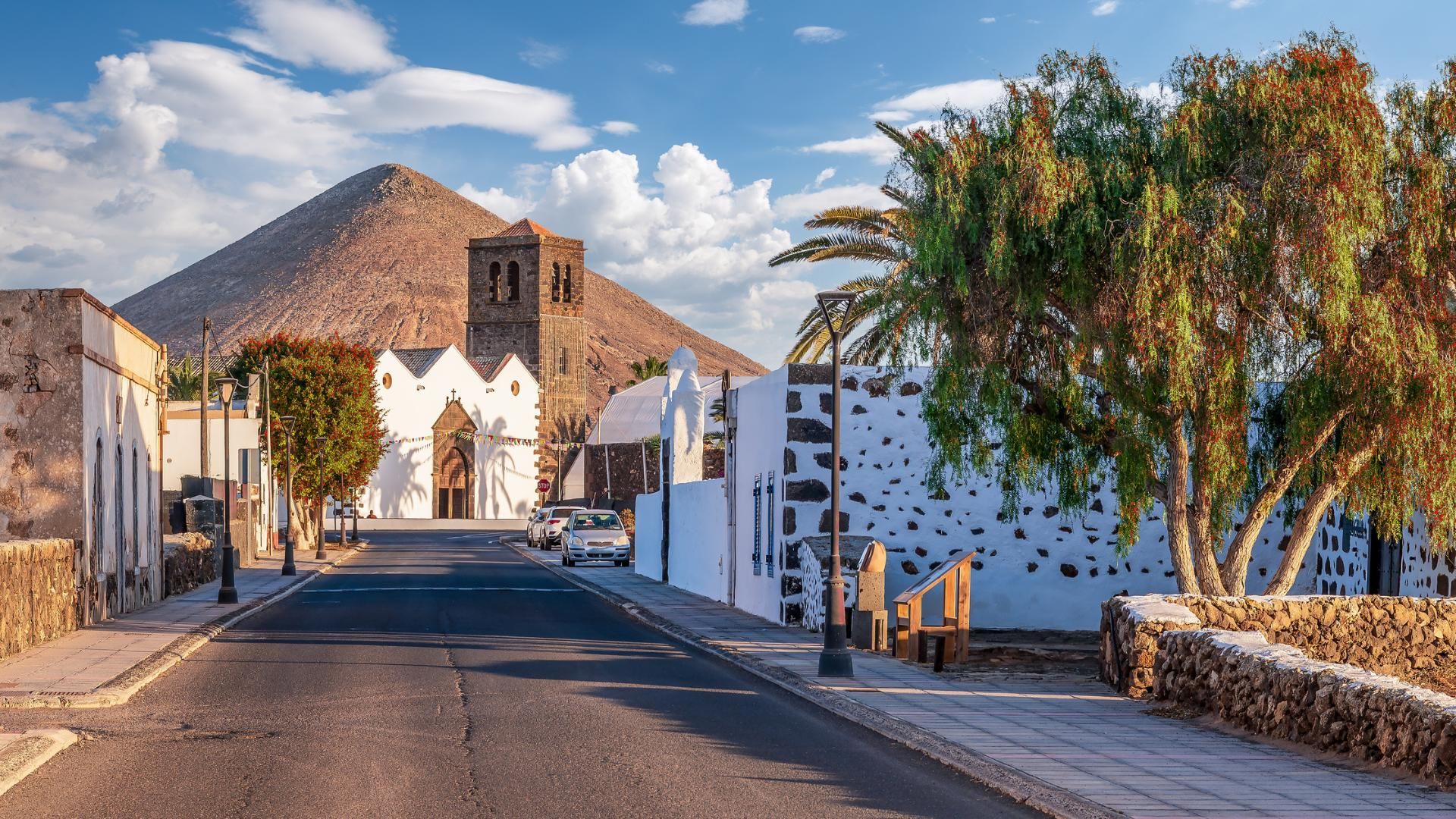
Walking through Betancuria is like stepping back in time. The cobbled streets and traditional Canarian architecture provide a glimpse into what life was once like on Fuerteventura. This small town, once the capital of the island, now serves as a quiet reminder of the richness of its past. Each building, story, and alleyway contributes to the narrative of a community that has survived the test of time.
Cultural Significance
Betancuria also plays a vital role in preserving the cultural identity of Fuerteventura. The blend of its historical significance with the natural beauty surrounding it beckons visitors from around the world who come to explore its unique offerings. The annual festivities, traditional crafts, and local cuisine serve as vibrant expressions of the island’s heritage, further enhancing its allure.
The Natural Landscape
In addition to its historical sites, Betancuria is surrounded by majestic landscapes that showcase the natural beauty of Fuerteventura. The nearby mountainous terrain and the serene vistas offer a picturesque backdrop, inviting both adventurers and those seeking tranquility. This interplay of nature and history creates a unique atmosphere that captivates the hearts of visitors.
Engaging the Present
In contemporary times, Betancuria is not just an echo of the past; it continues to thrive as a living community. Local initiatives focused on sustainability and cultural preservation ensure that the traditions and values of the majoreros are not lost to time. The town welcomes tourists and locals, fostering a spirit of togetherness that reflects its rich cultural heritage.
Summary
By exploring Betancuria, one embarks on a journey through time. From its foundation as a bishopric to its role in education and religion, every aspect of this charming town tells a story. Surrounded by natural beauty and steeped in cultural significance, Betancuria remains a vital part of Fuerteventura’s identity, ensuring that the legacy of the majoreros continues to thrive for generations to come.