The Alarming Presence of Tar Balls on the Beaches of Morro Jable
Hidden Hazards at the Shoreline
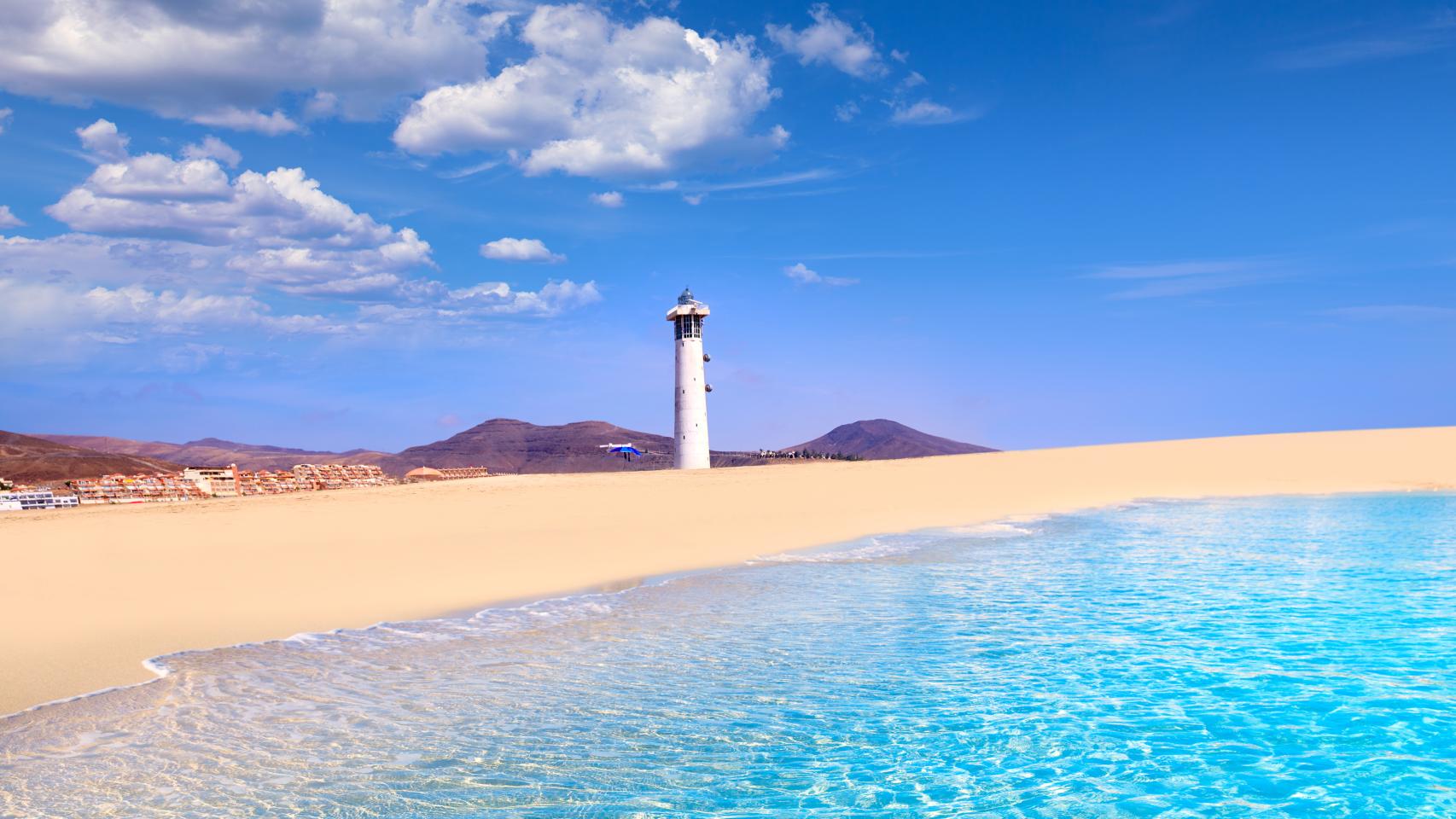
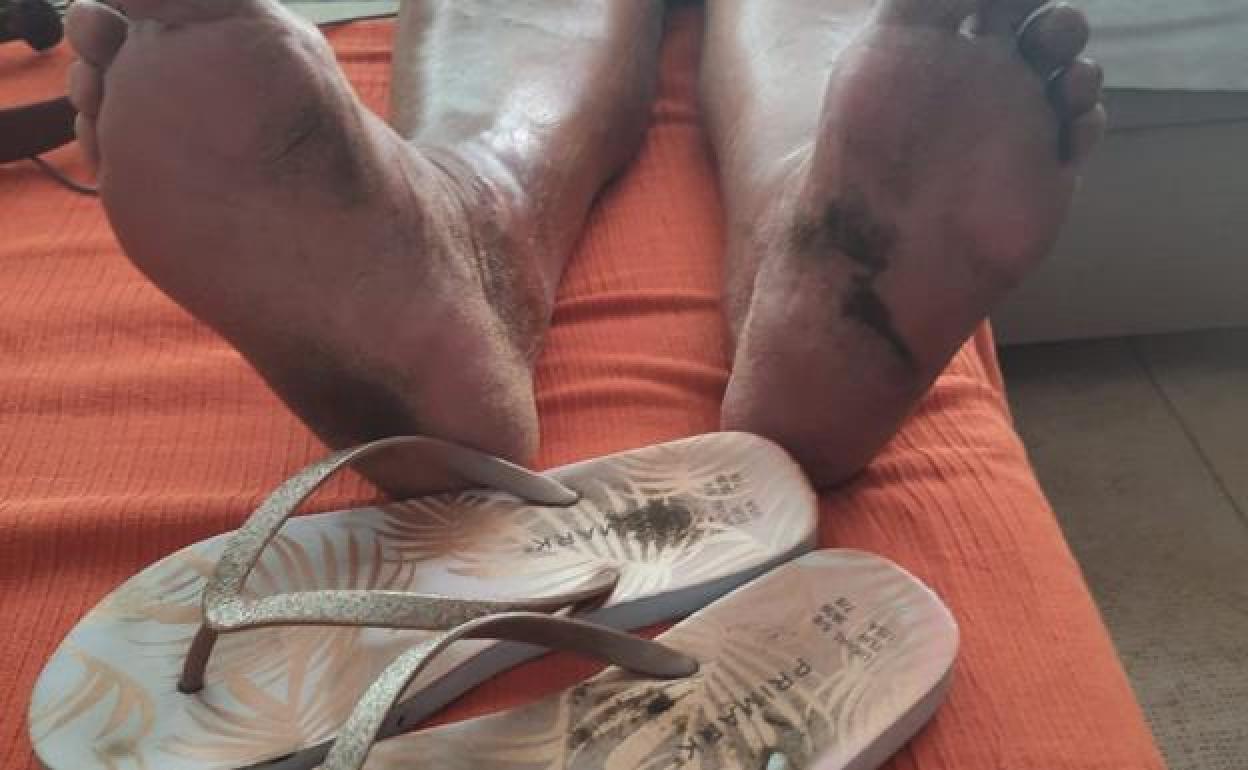
At first glance, the picturesque beaches of Morro Jable seem like a tropical paradise, beckoning sunbathers and swimmers with golden sands and pristine waters. However, a hidden threat lurks beneath the surface: tar balls, remnants of oil contamination that often go unnoticed until it’s too late. Bathers, enjoying their morning dips, have reported stepping on these deceptive marbles of blackness. It’s only upon their return to the towel that they realize the extent of the problem—the dark, sticky spots are in fact genuine evidence of pollution scattered across the beach.
The Striking Realization
As one steps out of the inviting waters and back onto the sand, the reality sets in. What was initially a carefree day at the beach transforms into a grim realization of environmental degradation, with dark stains of oil marking their toes and towels. This shocking surprise not only upsets the day’s plans but also serves as a disheartening reminder of the pollution that can infiltrate our beloved natural spaces. Locals and tourists alike are left scratching their heads, wondering how something so unsightly can mar such a beautiful environment.
Reports of Tar in Other Areas
The concerns about oil pollution are not restricted to Morro Jable alone. Across the island in Corralejo, recent reports from local media have highlighted similar findings of tar balls. A video circulating on social platforms shows these sticky formations scattered across the sands of the Grandes Playas, notably near hotels where families often vacation. The sight is alarming, particularly in locations that draw tourism and usually evoke feelings of safety and cleanliness.
The Long-term Environmental Impact
The presence of these tar balls is significant not just for a single day at the beach, but for the surrounding ecosystem as well. Beachgoers have become accustomed to finding isolated spots of oil on shorelines—these are typically remnants of sporadic incidents. The abrupt and significant appearance of tar balls indicates an underlying issue that may stem from improper discharge practices of vessels, particularly regarding bilge cleaning operations. This trend raises concerns about how often these pollutants spill onto our shores and the long-term consequences for marine life as well.
The Unseen Source of the Problem
Experts suggest that the majority of the tar is likely a byproduct from cleaning the bilges of boats in the ocean. This practice, while often unnoticed, can lead to large quantities of oil washing onto beaches, endangering marine habitats and affecting local wildlife. When boats are being cleaned at sea, the contaminants that wash off can create what seems like a small issue but collectively accounts for significant environmental damage. The beaches of Fuerteventura, popular among both local citizens and tourists, deserve better than to be seen as dumping grounds.
A Call for Awareness
The issue of tar pollution serves as a wake-up call for both beachgoers and policymakers. Increased awareness is crucial for keeping our coastal landscapes clean and safe. Bathers are encouraged to be vigilant and report any signs of pollution they encounter, even if they may seem trivial. Beach cleanliness is not solely the responsibility of environmental agencies; it requires a coordinated effort from individuals, businesses, and authorities to ensure that everyone enjoys an untainted natural environment.
Conclusion
As the beaches of Morro Jable continue to host countless visitors in search of a day in the sun, the threat of tar balls remains a pressing concern for all. These startling revelations not only confront our perceptions of paradise but also prompt a deeper dialogue on the importance of environmental stewardship. As we aspire to maintain the beauty of our coastlines, it is essential to confront these hidden hazards and take actionable steps to protect the pristine nature of our cherished beaches.