The Ruling on the Jagua Quarry: Implications for Santa Cruz de Tenerife
A Firm Decision from the TSJC
The Superior Court of Justice of the Canary Islands (TSJC) has emphatically ruled against the potential residential use of the land at the former Jagua quarry in Santa Cruz de Tenerife. The decision highlights the court’s stance that the area cannot be classified as urbanizable, contradicting the claims made by its owners. The quarry has been the site of significant extractive activity for years, leading to considerable environmental degradation.
The Owners’ Appeals
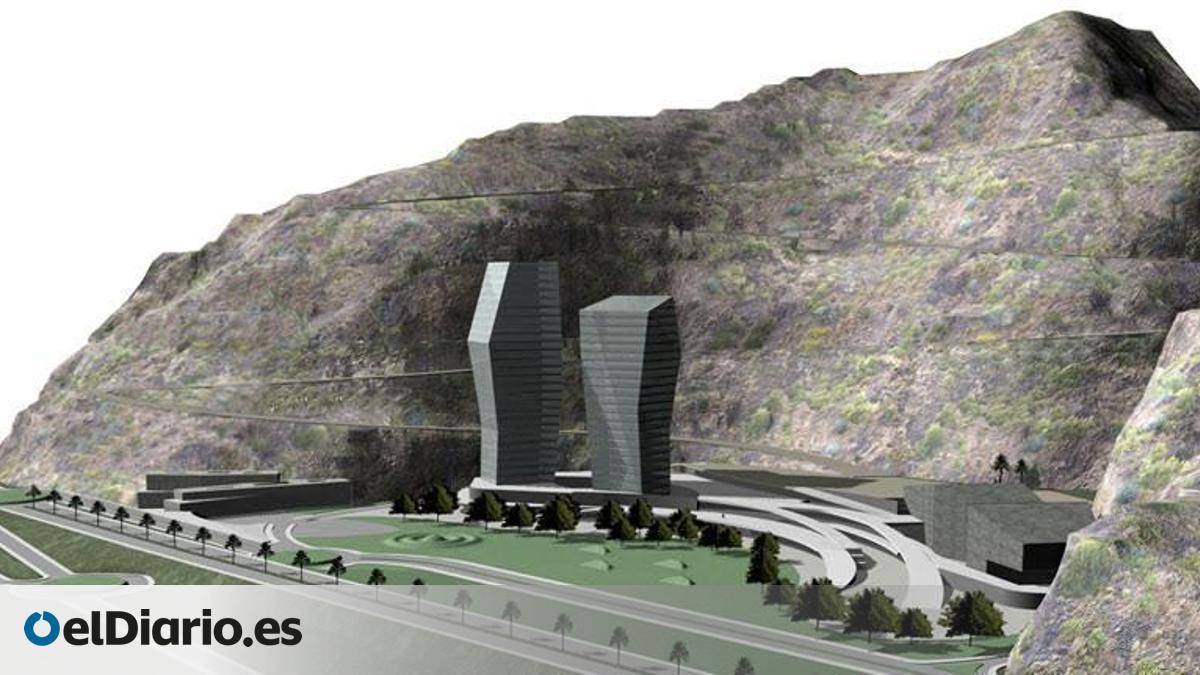
The landowners had challenged the new General Planning Scheme (PGO) of Santa Cruz, which designates the area as rustic – specifically as an extractive zone known as “Los Pasitos” and as land for the protection of infrastructure and facilities. In their arguments, they asserted that over the years, various works had been executed that should allow the land to be classified as urbanizable. Such a designation would have substantially increased its market value, offering a lucrative opportunity for development.
Urbanization Hopes Undermined
In their appeal, the landowners suggested that, at the very least, the area should retain its classification as industrial urbanizable land, which it had under the previous planning scheme. They invoked the notion of “the force of the factual” to justify their position that the quarry could be considered urban land. However, these assertions were thoroughly dismissed by the TSJC.
Environmental Concerns
The court emphasized that the only activities conducted in the quarry have been of an extractive nature, resulting in severe degradation of the landscape, with no restoration plans executed. The sole urbanizing factor identified by the court was the existence of a road connecting Santa Cruz to San Andrés, which they concluded could not support urban development in any meaningful way.
Industrial Developments: A Fragile Reality
The situation is further complicated by the presence of certain industrial units in the area, which the court labeled as “precarious” and established outside any legitimate planning framework. This nuance underscores the fragile and informally developed nature of the industrial elements within the quarry.
New Ventures: A Shift in Focus
In a notable turn, the former quarry has attracted the interest of an international multinational, which plans to install 22 fuel tanks with a capacity of 400,000 tons. These tanks are intended for supplying ships and planes as well as for marketing in the Canary Islands. This project is backed by the Government of the Canary Islands; however, it mandates a comprehensive environmental restoration plan to be executed beforehand.
Ecological Sensitivity and Restoration Efforts
The operational area for this new project will cover 219,102 square meters, of which 91,000 falls within the Anaga Rural Park, a region recognized for its ecological sensitivity. This land is also designated as both a Special Conservation Zone and a Special Protection Area for Birds. Importantly, the total area earmarked for restoration efforts amounts to 159,110 square meters.
Detailed Mining Plans
The proposed extraction method for this venture is open-pit mining, expected to extend over six years. This timeline includes five years dedicated to mining activities and restoration efforts, followed by an additional year for the completion of rehabilitation work. The extent and ecological context of this project signal a significant shift in how the land may be utilized and managed in the future.
This intricate interplay of environmental regulation, land use disputes, and industrial development continues to shape the narrative for the former Jagua quarry, marking a critical chapter in the evolution of Santa Cruz de Tenerife’s urban landscape.