Expansion Plans for Corralejo Harbor: Balancing Development and Environmental Protection
In a significant step for the development of the Canary Islands, Pablo Rodríguez, the Government of Canarias’ Minister of Public Works, has announced a new chapter in the expansion of the Corralejo harbor. Following the approval of an alternative plan by the Ministry of Ecological Transition, Rodríguez outlined the next essential steps that include finalizing the project draft and securing an environmental impact declaration with the cooperation of local authorities in Fuerteventura.
Addressing Key Concerns
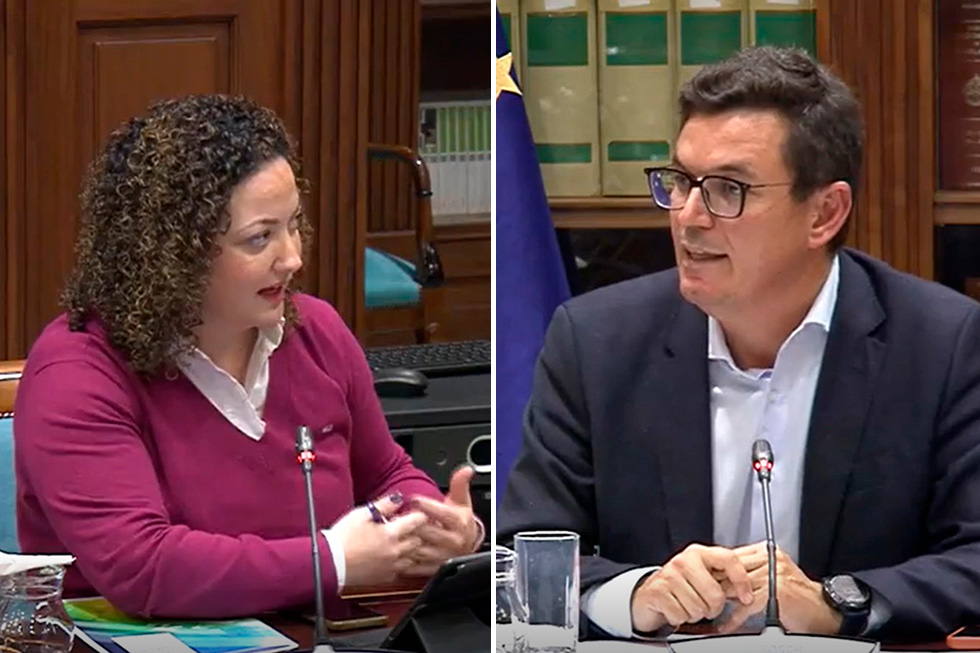
Rodríguez was addressing the Parliament of Canarias in response to a question from deputy Jana González regarding the future of this crucial infrastructure. He explained that expanding the Playa Blanca harbor necessitated a dual commercial docking facility at Corralejo, which is vital for the safety and efficiency of ferry operations connecting Lanzarote. This clarification highlights the importance of ensuring that infrastructure meets not only current needs but also future demands.
Harmonizing Development with Environmental Sensitivity
A crucial aspect of Rodríguez’s presentation was the government’s commitment to harmonizing operational enhancements with environmental conservation. Acknowledging the area’s unique ecological characteristics, he emphasized the need for any developmental action to mitigate potential environmental impacts effectively. The cooperation with local bodies, such as the La Oliva City Council and the Fuerteventura Island Council, is aimed at minimizing disruption and ensuring that upgrades to the harbor do not compromise the surrounding protected environments.
Revisiting Previous Plans
An important factor in the current discussions is the government’s intention to move away from earlier proposals deemed overly ambitious and environmentally harmful. Rodríguez noted that the previous legislative assembly had introduced a plan that significantly expanded the land area at the harbor; however, it lacked an environmental impact assessment, raising flags among regulatory bodies. The Ministry of Ecological Transition warned that the earlier design would face challenges obtaining environmental approval, catalyzing a re-evaluation of the harbor’s expansion plan.
A Focus on Environmental Sustainability
The new alternative plans have been described as “radically different” from the earlier design, reflecting a conscious effort to ensure that the required dual docking facilities can be established while minimizing environmental repercussions. Rodríguez pointed out that consultations with the Ministry indicated the revised proposal presents a lower overall impact across all assessed environmental domains.
The Role of Local Politicians
Jana González, in her remarks, highlighted the potential for a balanced approach that acknowledges the need for operational improvements while upholding environmental ethics. She made it clear that the conversation should shift from a binary choice—expanding the port versus doing nothing—to advocating for environmentally sound alternatives that fulfill maritime traffic demands without jeopardizing marine biodiversity.
She referred to the earlier project as “excessive” and warned it would negatively impact both marine ecosystems and the community of Corralejo. González’s perspective emphasizes the need for a measured approach: one that prioritizes the long-term health of the environment alongside infrastructural needs.
The Path Forward
As discussions surrounding the harbor’s expansion continue, the consensus among key stakeholders seems to lean toward a collaborative approach that respects both developmental goals and ecological integrity. Rodríguez reiterated that the forthcoming phase would involve the meticulous task of project drafting, coupled with the critical acquisition of environmental approvals in harmony with local administrative agreements.
This ongoing narrative around the Corralejo harbor’s expansion encapsulates the broader challenge faced by regions where development pressures often confront ecological preservation efforts. With the coming phases signaling crucial decisions ahead, the balance between progress and protection will remain at the forefront of public and governmental dialogues in the Canary Islands.


