Advancements in Agricultural Infrastructure in Fuerteventura: A Spotlight on the Regadío Plan
On July 9, 2026, a significant meeting took place in Fuerteventura, as the local PSOE party emphasized the collaboration between local administrations and Tragsa, a publicly owned company, in executing crucial projects on the island. The focus was particularly on a transformative initiative: the ‘Modernizacion y mejora del regadío en la zona centro sur de Fuerteventura,’ approved during the government of Ángel Víctor Torres.
The Importance of Collaboration
The PSOE party highlighted the essential role of local administrations and Tragsa in accelerating development projects that not only enhance agricultural productivity but also preserve the ecological integrity of Fuerteventura. The delegation from Tragsa, which traveled to the island, underscored the commitment to substantial investment in local agriculture and rural conservation efforts.
Key Meeting Highlights
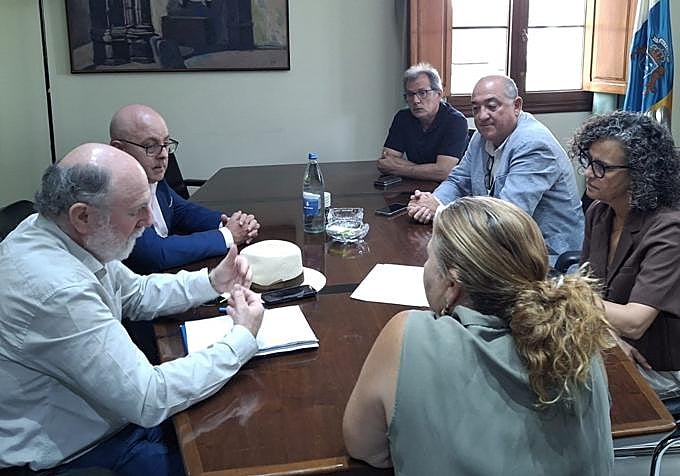
Jesús Casas, the president of Tragsa, held a pivotal meeting with María Jesús de la Cruz, the insular director of the General State Administration in Fuerteventura. The meeting also included high-ranking officials and specialists from Tragsa, highlighting the project’s importance and the collaborative framework in place for its execution.
Investing in Local Agriculture
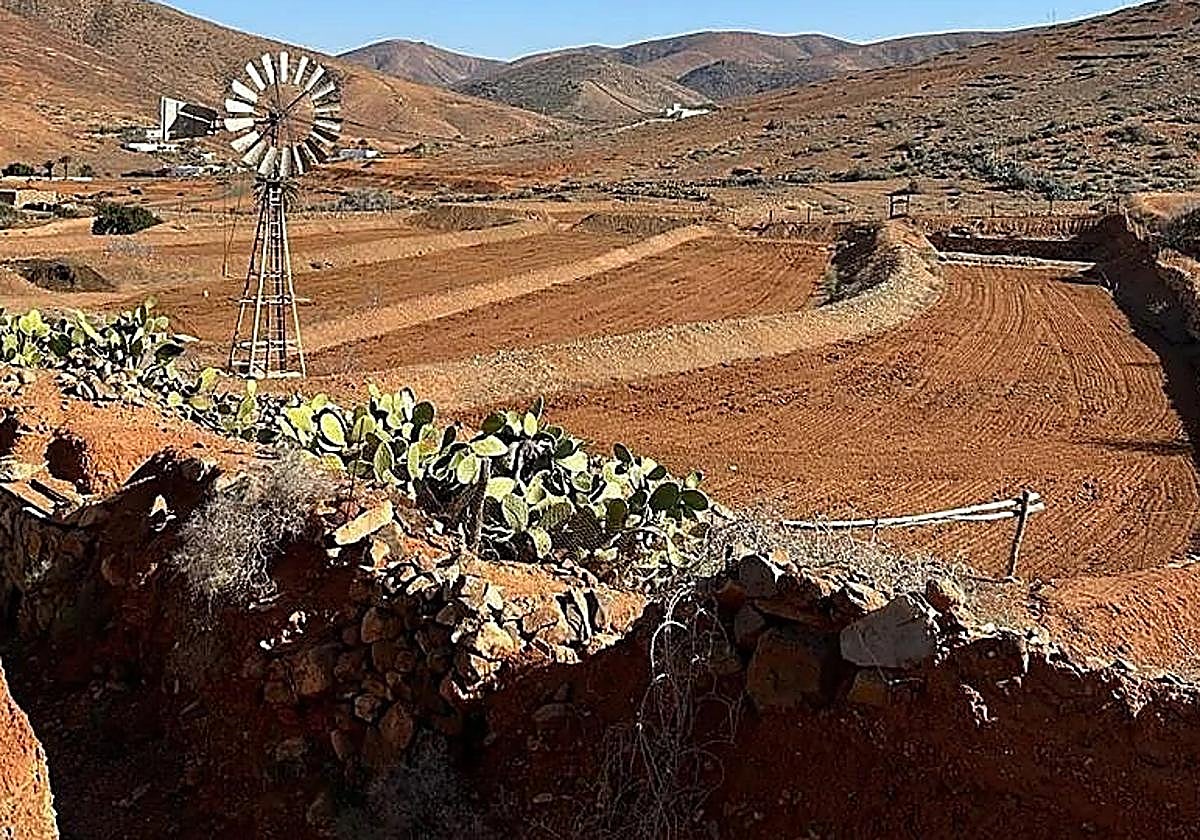
The ‘Modernización y mejora del regadío en la zona centro sur de Fuerteventura’ project is set to make a qualitative leap for small farmers in the regions of Tuineje and Pájara. With a robust investment of €13.2 million sourced from the State Agricultural Infrastructure Society (Seiasa) and the Cabildo de Fuerteventura, this initiative promises to be a game-changer for local agriculture.
Key Features of the Regadío Plan
Among the standout features are the Tesejerague reservoir and the introduction of unconventional water sources. This innovative approach aims to reduce the reliance on traditional water supplies for agricultural use, effectively preserving these valuable resources for human consumption. Once completed, the reservoir will facilitate the gravity-fed distribution of agricultural water, significantly improving efficiency.
Sustainable Farming Practices
The successful implementation of this project will enable farmers to access water for their crops, especially for traditional farming plots known as gavias. An important outcome will be the reduction of human water consumption in agriculture, steering Fuerteventura toward a sustainable model that not only maintains agricultural production but also reinforces food sovereignty on the island.
The Impact on Food Sovereignty and Resource Management
The strategy promotes the concept of “kilometer zero” farming, which focuses on producing food locally. By ensuring that agriculture is sustained without taxing water resources meant for human use, the project addresses critical issues related to water scarcity and food security in Fuerteventura.
The Role of Local Governance
Local governance proves vital to the project’s momentum. The PSOE party’s recognition of Tragsa’s role mirrors a broader commitment to sustainable development in Fuerteventura’s agricultural sector. The effective execution of these projects relies heavily on cooperation between state agencies and local stakeholders, setting a benchmark for future initiatives.
Visits and Engagements
During their visit, the Tragsa delegation engaged in multiple meetings and site visits, which further solidified connections between the stakeholders involved and showcased the projects underway. Each interaction served to reinforce the shared vision, ensuring all parties are aligned on the benefits that these developments will usher in for affected communities in Fuerteventura.
By positioning agriculture as a priority and holding constructive dialogues, Fuerteventura is making strides towards a sustainable and resilient future, ensuring that the island’s rich agricultural heritage continues for generations to come.


