Legal Troubles for Transportes Pablo de León Over Environmental Violations
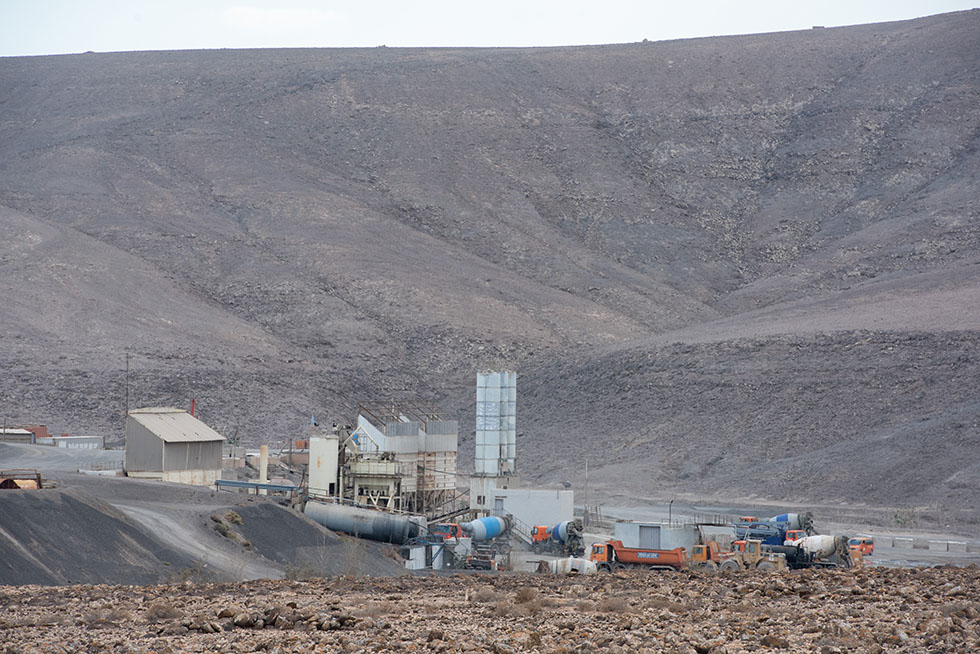
The prosecution has leveled serious charges against the company Transportes Pablo de León, accusing it of multiple offenses related to territorial planning and environmental protection. This situation stems from the operation of an illegal mining and industrial complex located in Barranco de la Torre, within the municipality of Antigua, which allegedly lacks essential permits and licenses.
Background of the Case
The legal proceedings began in 2018 after environmental agents from the Cabildo and the Civil Guard’s nature protection division, Seprona, conducted inspections in the area known as Llano de Las Goteras. Their findings revealed a range of unauthorized operations, including an asphalt plant and a concrete facility that together occupy approximately 7,500 square meters. The establishment of these operations involved significant land modification, including surface excavation and the construction of various warehouses and storage units.
Abundant Illegal Activities
The scale and variety of operations undertaken by Transportes Pablo de León are extensive. In addition to the asphalt and concrete plants, inspections uncovered a functioning crushing plant, an outdated crusher that was never dismantled, and various water catchments, including a reservoir. The site also featured an illegal dumping ground, a quarry spanning about 4,600 square meters, and a 950-meter-long asphalted road providing access to the premises—all built without any required administrative approvals.
Regulatory Violations
The prosecution highlights the systematic nature of these violations. According to the Ministry of Public Prosecutor’s statement, the asphalt plant lacks authorization from the Mining Service, while all plants—including those for asphalt, concrete, and aggregates—operate without the necessary municipal license or territorial qualification. To exacerbate matters, applications for the required permits were submitted but subsequently denied.
Particularly troubling is the extraction of aggregates, which occurred without necessary authorizations from the Government of the Canary Islands. The firm also failed to secure energy licenses and permits for managing construction waste, indicating a clear disregard for regulatory frameworks.
Environmental Impact
The accusations detail extensive long-term damage to the ecological and geographical landscape of the Barranco de la Torre area. Environmental activities spanning 15 years have not only disrupted local ecosystems but have also significantly altered the topography. A report from the Vice Ministry of Environment of the Government of the Canary Islands noted severe impact with eight specific areas of concern identified.
The mining operations have altered the physical layout of the land over a massive 14 hectares, generating a substantial risk to local flora and fauna. The estimated extraction of aggregates ranges from 320,000 to 720,000 cubic meters, a scale that highlights the severity of resource depletion in the region.
Impact on Wildlife
The complex’s operations threaten the local wildlife, particularly various bird species. A notable concern is the impact on the endangered “guirre,” a bird that has historical nesting grounds in the Barranco de la Torre. The accusations indicate a documented decline in nesting success that coincides with the establishment of the mining operations, raising alarm among conservationists and environmentalists.
Demands from the Prosecution
As the case moves toward trial, the fiscal authority has outlined several demands, including an estimated five-year financial penalty, the complete closure of the company’s facilities for eight years, and the demolition of all illegal constructions. They also call for the comprehensive restoration of the physical and environmental integrity of the affected areas.
Conclusion of Findings
The situation surrounding Transportes Pablo de León encapsulates ongoing tensions between industrial development and environmental conservation. The case serves as a stark reminder of the crucial need for regulatory compliance, particularly in regions recognized for their ecological significance. The outcome of this trial will pave the way for future corporate accountability in environmental protection, possibly influencing similar cases in the future.