The Rise of Off-Market Real Estate in Madrid
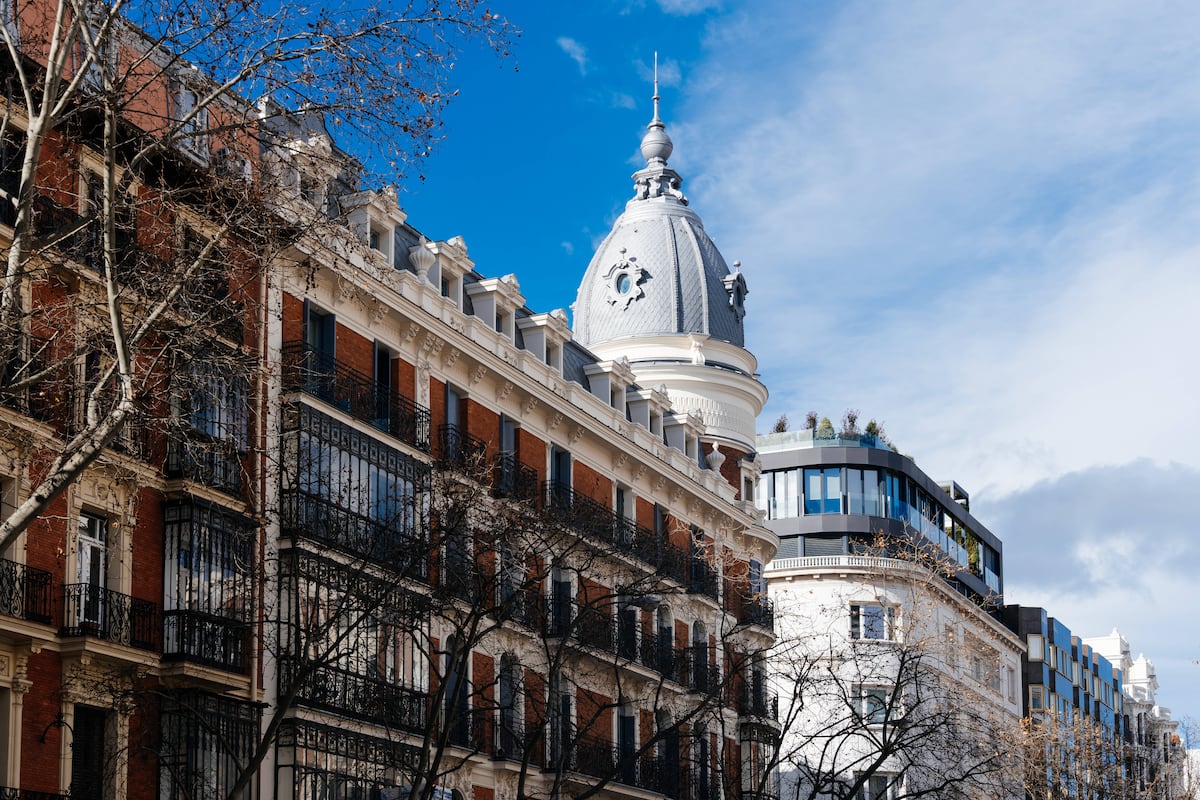
In the bustling Almagro neighborhood of Madrid’s Chamberí district, a remarkable real estate transaction recently took place. A sprawling 5,400-square-foot home was sold for an impressive $4.6 million, but what makes this sale particularly intriguing is the anonymity surrounding it. The seller, described as “a very well-known person in the world of culture and television,” opted for a discreet off-market sale, a growing trend among high-profile individuals seeking privacy in their real estate dealings.
Understanding Off-Market Sales
Off-market real estate transactions are characterized by their exclusivity. Properties are not listed on public platforms, and the identities of both the seller and buyer are kept confidential. Manuel Garzón, director of the large accounts department at the luxury real estate agency Gilmar, explains that this approach allows sellers to avoid the prying eyes of the media and the general public. “The seller opted for an off-market sale directed exclusively at pre-selected buyers who had an actual capacity to buy,” Garzón notes. This method minimizes unnecessary visits and protects the seller’s privacy throughout the process.
Who Engages in Off-Market Transactions?
The clientele for off-market properties typically includes high-net-worth individuals (HNWIs) and ultra-high-net-worth individuals (UHNWIs). These buyers often consist of international business leaders, executives, professional athletes, and public figures who prefer to keep their real estate transactions under wraps. Álvaro González de La-Hoz, CEO of Spain Sotheby’s International Realty, emphasizes that the demand for privacy has surged in recent years, leading to a notable increase in off-market transactions. “In our case, we estimate that between 20% and 30% of high-value transactions in 2025 closed without being published on real estate platforms,” he states.
The Appeal of Privacy and Exclusivity
The allure of off-market sales lies in the heightened sense of privacy and confidentiality they offer. Many sellers are motivated by a desire to keep their personal lives separate from their business dealings. While some may argue that this approach limits the pool of potential buyers, many sellers prioritize peace of mind over maximizing financial returns. González de La-Hoz points out that “in many cases, peace of mind carries as much value as the economic result of the sale itself.”
The Evolution of Off-Market Sales
Paloma Pérez Bravo, CEO of the luxury firm Dils Lucas Fox, notes that the trend of off-market sales has evolved significantly. “The more unique the home and the higher the public profile of its owner, the more likely it is that it will be marketed privately,” she explains. At her agency, around half of all sales occur away from public channels. This method has transitioned from a network of personal contacts to a more structured and professionalized approach, utilizing filtered databases and rigorous information control.
Pricing and Property Types
While off-market properties are often associated with high price tags, the criteria for selling in this manner extend beyond just cost. Properties typically start at around $1.75 million, with some sales reaching as high as $16 million. Juan Luis Sáez, director general of The Avenue Select Real Estate, notes that private sales are common in the ultra-luxury market, where properties priced between $11.5 million and $23 million often follow this trend.
These unique properties can range from large seaside villas and historic farms to exceptional penthouses and entire buildings. They may also include homes with significant cultural heritage or those owned by well-known families and international clients. Additionally, properties tied to luxury hotel chains or fashion designers are often marketed privately to a select list of clients.
Key Locations for Off-Market Sales
Off-market transactions are particularly prevalent in cities and areas with a high concentration of luxury housing. In Madrid, neighborhoods like Salamanca, Chamberí, and Justicia are hotspots for such sales. Other notable areas in Spain include Marbella and the Costa del Sol, especially in regions like Milla de Oro, Sierra Blanca, and Puerto Banús. Garzón reports that off-market sales at Gilmar have increased annually, rising from 8% of total sales in 2025 to 10% this year, with an average home price around $5.7 million.
The Process of Off-Market Sales
Real estate agencies specializing in off-market transactions work with a carefully curated list of pre-selected buyers. This involves analyzing their financial capacity, the origin of their wealth, and their genuine interest in the property. By doing so, agencies can significantly reduce unnecessary processes while maintaining confidentiality for both parties.
The marketing strategy for off-market properties often involves a phased approach. Pérez Bravo describes a process where initial information is shared through a blind teaser, omitting exact addresses or images. Only after verifying the buyer’s profile and interest is the complete dossier provided.
Confidential Viewings and Transactions
Viewings of off-market properties are typically conducted under strict confidentiality agreements. The presence of real estate advisors, lawyers, tax consultants, and other professionals is common during these meetings. In particularly sensitive transactions, restrictions on cell phones and photography are enforced to protect the property’s details. A log is maintained to track who accesses any documents related to the sale.
Conclusion
The off-market real estate phenomenon in Madrid reflects a growing demand for privacy and exclusivity among high-profile individuals. As this trend continues to evolve, it reshapes the landscape of luxury real estate, offering a unique approach to buying and selling properties that prioritize confidentiality and peace of mind.