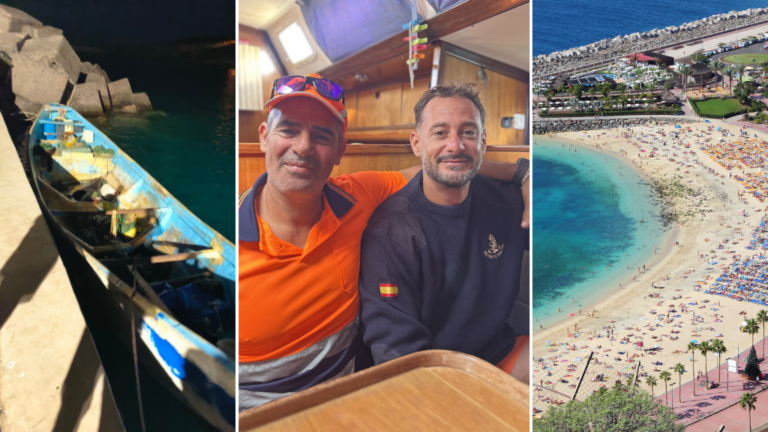
The Canary Islands: A Complex Tapestry of Migration and Tourism
Published: April 27, 2026
The Canary Islands, often celebrated for their stunning landscapes and warm climate, have become a focal point in the European migration crisis. Positioned as a gateway for those fleeing hardship in West Africa, the islands are frequently depicted in media narratives dominated by images of rescue operations and migrant boats. However, the reality on the ground tells a more nuanced story, one that intertwines migration with the pressing issues of tourism and local livelihoods.
Migration: A Humanitarian Crisis
The Canary Islands have seen a significant influx of migrants in recent years, with many arriving in overcrowded wooden boats known as “canoes.” These perilous journeys often begin in Senegal or Mauritania, where desperate individuals pay human smugglers thousands of euros for a chance at a better life in Europe. Javier, a local captain working with the Salvamento Marítimo rescue service, recounts the harrowing experiences of those he assists.
“Each person pays two to three thousand euros. That’s over half a million per boat,” he explains, highlighting the lucrative nature of this dangerous trade. The numbers are staggering: arrivals surged from 23,023 in 2020 to a record 46,843 in 2024. While many locals extend a warm welcome to these newcomers, the sudden increase in population strains the islands’ already limited resources, exacerbating existing issues like high unemployment and a housing crisis.
The Real Challenge: Tourism
Interestingly, for many residents like Javier, the more pressing concern is not migration but the impact of tourism. “For me, the bigger problem is tourism. Rents, prices – everything is going up. Wages are stagnant,” he states, reflecting a sentiment that resonates with many locals. The influx of tourists has led to skyrocketing rental prices, with over half of the housing stock in the Canary Islands now designated for short-term rentals.
Statistics reveal a troubling trend: rents have more than doubled since 2015, forcing many residents to allocate an unsustainable percentage of their income—47% to 55%—toward housing. In contrast, the average household in Sweden spends around 23% of their income on accommodation. This disparity underscores the growing difficulty for locals to afford basic living expenses.
The Pandemic’s Role in the Housing Crisis
The COVID-19 pandemic acted as a catalyst for these changes. As remote work became the norm, the Canary Islands were marketed as an idyllic location for digital nomads. This influx of high-income earners and investors has further exacerbated the housing crisis, with many homes being converted into holiday rentals. Miguel, another local resident, notes, “The big investors are ruining it for the locals. No one can afford a house, land, or even rent anymore.”
The lack of regulation surrounding short-term rentals has allowed prices to soar, creating a perfect storm for the local population. Javier adds, “Three out of four people living in Fuerteventura are not from the island. We are losing culture, identity, traditions.”
Environmental Concerns
The environmental impact of mass tourism is another significant issue. Locals express frustration over tourists who disregard the natural beauty of the islands. “Tourists think they can do whatever they want. They set fires on beaches, litter, and drive cars over sensitive flora,” Miguel laments. This disregard for the environment not only threatens the islands’ ecosystems but also the very identity of the communities that call them home.
Grassroots Movements for Change
In response to these challenges, grassroots movements like “Canary Islands Has a Limit” have emerged, advocating for sustainable tourism practices and the protection of local communities. In May 2025, over 23,000 protesters gathered across the islands, demanding an end to uncontrolled tourism and calling for stricter regulations on hotel construction and short-term rentals.
The movement highlights a growing awareness among residents that unchecked tourism poses a greater threat to their way of life than migration. Miguel articulates this sentiment: “Migration creates debate, it stirs emotions and makes headlines. But no one cares that tourism is a problem – even though it is the one that changes our lives the most.”
A Complex Narrative
As the Canary Islands navigate the dual challenges of migration and tourism, the narrative surrounding them remains complex. While the plight of migrants captures headlines, the everyday struggles of locals often go unnoticed. The voices of residents like Javier and Miguel remind us that the issues at play are multifaceted, requiring a deeper understanding of the interplay between migration, tourism, and local livelihoods.
In this vibrant archipelago, the stories of its people are as rich and varied as the landscapes they inhabit, revealing a tapestry woven with threads of hope, struggle, and resilience.