Spain Places Response Under Central Control
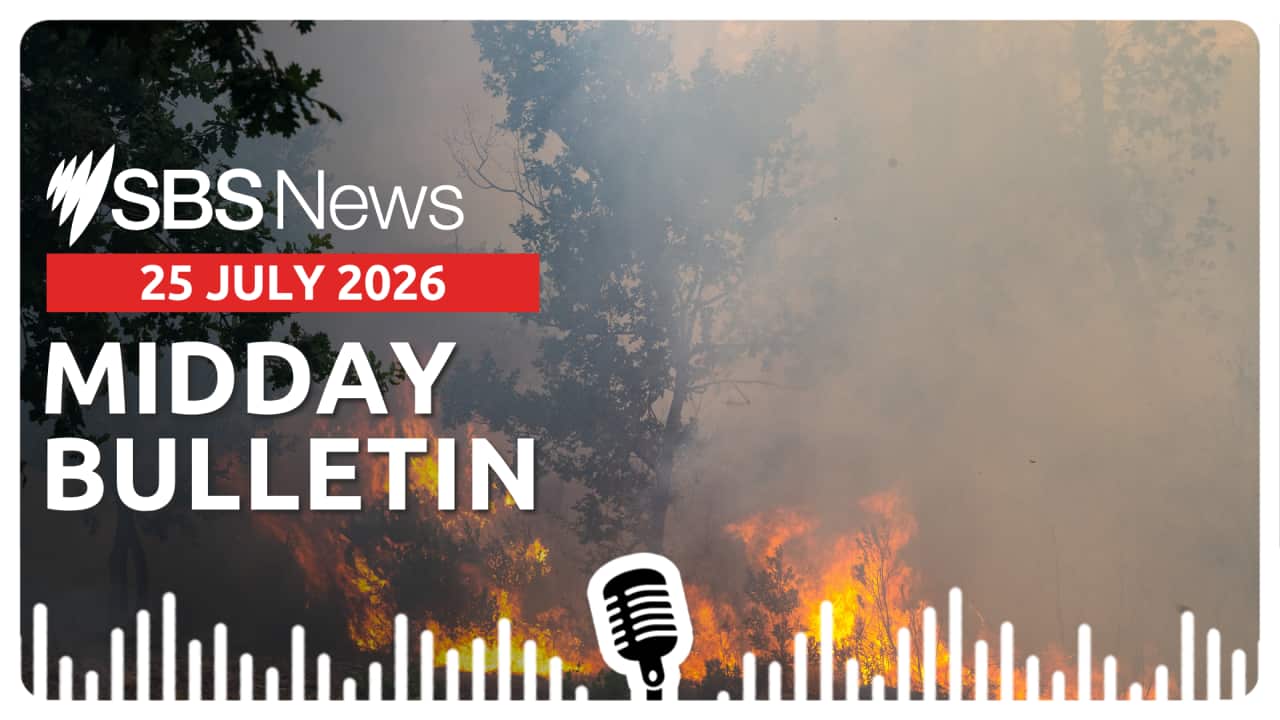
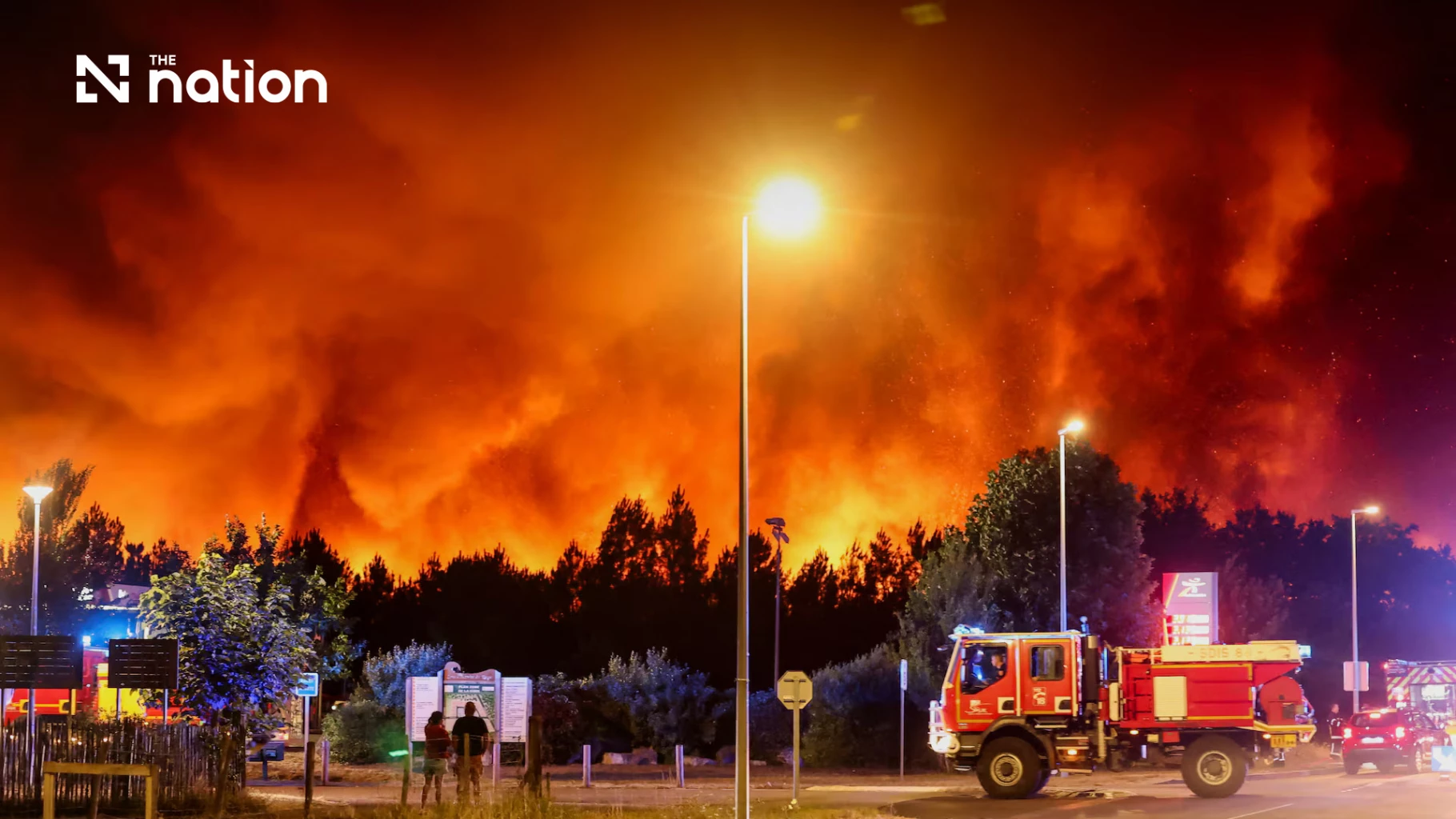
In a decisive move to combat the escalating wildfires threatening the Madrid region and Ávila province, Spanish Interior Minister Fernando Grande-Marlaska declared a state of emergency of national interest. This declaration came in response to the rapid spread of fires around Villa del Prado, San Martín de Valdeiglesias, and Burgohondo, areas that have been severely impacted by adverse weather conditions.
The Interior Ministry’s declaration was not made lightly; it highlighted the scale of resources required to tackle the fires, the necessity for preventive evacuations, and the imminent threat to populated areas. Under Spain’s civil-protection law, this declaration effectively transferred the overall direction and coordination of the firefighting response to the Interior Minister, ensuring a unified and efficient approach to the crisis.
Operational command was assigned to the head of the Military Emergency Unit (UME), a specialized force trained for such emergencies. This strategic move aimed to streamline efforts and mobilize resources effectively, as the situation demanded immediate and coordinated action.
As the fires raged, Madrid authorities reported that the blazes affecting Villa del Prado, San Martín de Valdeiglesias, and Almorox had merged into a single, formidable wildfire known as the Sierra Oeste. This merger, reported on July 24, underscored the severity of the situation and the urgent need for comprehensive firefighting efforts.
Evacuations were ordered from several towns, including Navas del Rey, Chapinería, Colmenar del Arroyo, Aldea del Fresno, Robledo de Chavela, Fresnedillas de la Oliva, Navalagamella, and Zarzalejo, along with a campsite at El Escorial. The scale of the evacuations was staggering, with over 19,000 people ordered to leave their homes to ensure their safety.
In total, more than 2,000 personnel and 10 aircraft were deployed to combat the wildfires west of Madrid. The urgency of the situation was further emphasized by reports that a separate fire in Ávila was on the verge of merging with the Sierra Oeste blaze, prompting officials to act swiftly.
Madrid’s regional president, Isabel Díaz Ayuso, characterized the incident as the worst wildfire in the region’s history. She attributed the disaster to a combination of extremely high temperatures and persistent winds, which created a perfect storm for the fires to spread uncontrollably. Tragically, at least 43 homes were destroyed in one housing development, leaving many families displaced and in distress.
In the midst of the chaos, law enforcement took action, arresting one individual and investigating another for allegedly using machinery in a prohibited area, which is believed to have sparked the Ávila fire. This development raised concerns about human negligence contributing to the disaster.
European Resources Mobilised
In light of the escalating crisis, the European Union’s Civil Protection Mechanism was activated, allowing Spain to request additional resources from participating states. This mechanism is designed for emergencies that exceed national capacity, enabling countries to share firefighting aircraft, personnel, and other essential assistance.
For the 2026 wildfire season, the European Commission had already prepared a robust response, including 22 firefighting aircraft, five helicopters, and 777 firefighters from 14 countries ready for deployment in high-risk areas or emergency operations. This collaborative effort exemplifies the solidarity among European nations in the face of natural disasters.
Earlier in July, France had activated the mechanism, leading to the mobilization of firefighting aircraft from Sweden and Cyprus, as well as helicopters from the Czech Republic. Greece also stepped in, sending two aircraft to assist Spain, while Croatia provided an aircraft and personnel to France as the wildfires spread across the continent.
Heat and Drought Deepen Fire Risk
The alarming frequency and intensity of wildfires in Spain this year have been attributed to a combination of extreme heat and prolonged drought conditions. As of 2026, Spain had recorded more than 29 major wildfires, with the affected area being five times greater than at the same stage in 2025, according to Environment Minister Sara Aagesen.
The situation is not isolated to Spain; Europe as a whole has experienced unprecedented wildfire activity, losing more land to fires in 2026 than its average annual total over the previous two decades. This surge in wildfires follows three intense and almost consecutive heatwaves, raising concerns about the long-term impacts of climate change.
Scientists have increasingly pointed to human-induced climate change as a significant factor in the rising intensity of heatwaves, droughts, and wildfires. The hotter and drier conditions created by climate change enable flames to spread more rapidly, exacerbating the risks faced by communities and ecosystems alike.