Our editors curate highly rated brands that are first assessed by our rigorous ratings system. Buying through our links may earn us a commission—supporting the work we do. Learn more.
Finding workwear that protects the people who make it and leaves a lower impact on the planet is tricky. A lot of the mass-produced stuff is mostly made of virgin polyester (read: plastic). Our editors have dug up some better brands worth exploring.
The Challenges of Finding More Responsible Workwear
When it comes to workwear, there are two distinct categories: functional gear designed for construction and fashion-inspired workwear. The former is built to protect the wearer from injury, featuring reinforced materials and practical designs, while the latter draws inspiration from these utilitarian designs but is more focused on style.
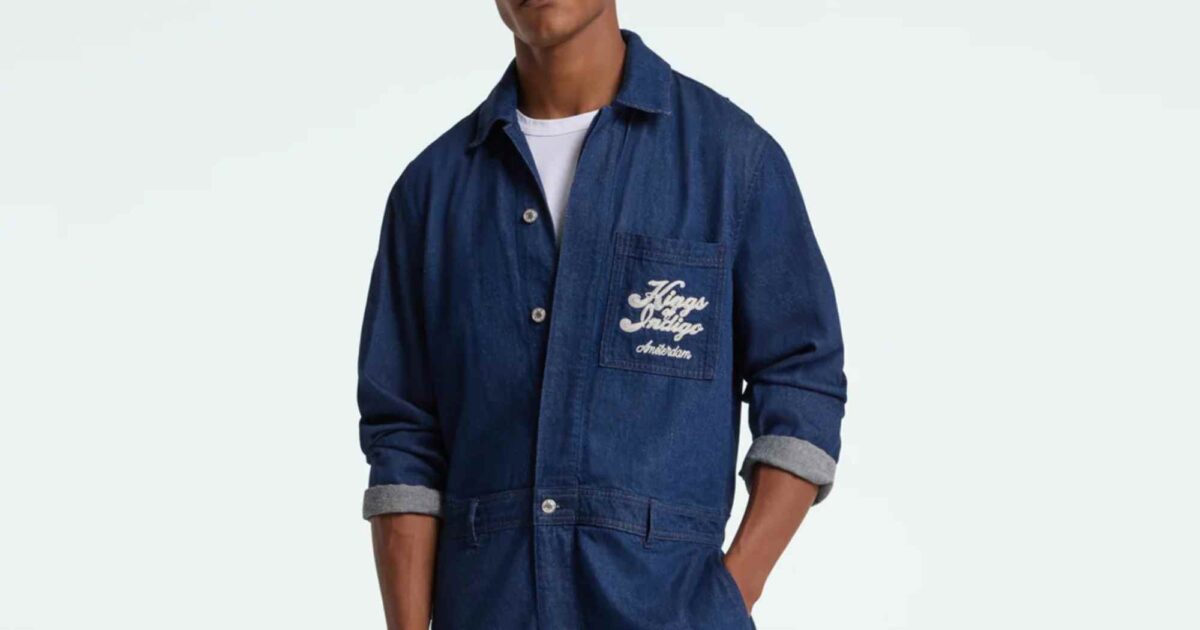
Fashion workwear, often referred to as heritagewear, includes items like heavy denim jeans, overshirts, overalls, and durable outerwear. While these garments may not be classified as personal protective equipment, they embody the spirit of functionality and durability that is essential in traditional workwear.
Both types of workwear are designed for longevity, a principle that aligns with the concept of circularity. They often incorporate reinforcing details such as metal rivets at stress points, flat-felled seams, and heavy, densely woven fabrics that can withstand extensive wear and tear.
The Synthetic Fabric Dilemma
One of the most significant hurdles in sourcing sustainable workwear is the prevalence of synthetic fabrics like polyester and nylon. While these materials are known for their durability, they pose serious environmental challenges. Derived from fossil fuels, they are non-renewable resources that emit substantial greenhouse gases during production. Moreover, they contribute to the growing microplastic pollution problem, as they do not break down for hundreds of years.
So, what are the alternatives? Organic cotton, hemp, and linen are excellent options when densely woven. These materials are often more environmentally friendly because they can biodegrade if untreated and require less extensive processing. Historically, the workwear industry thrived long before synthetic fibers became commonplace, relying on robust materials like cotton-canvas, cotton-duck, and cotton-twill that can endure significant wear.
Finding Non-Synthetic Options
For personal protective construction clothing, finding non-synthetic options can be quite challenging. Even when you do find them, they are often treated with chemicals for added durability or water resistance. If you’re in the market for construction gear, consider exploring surplus or secondhand items. These pieces are typically still in great condition due to their durable construction.
Fashion-Forward Workwear Brands
If you’re leaning towards more fashion-forward workwear, there are brands that prioritize sustainability while offering stylish options. These companies are committed to creating hard-wearing jeans, overshirts, overalls, trousers, and boots that are inspired by traditional work gear but designed for everyday wear.
Brands that have received “Good” and “Great” ratings are leading the charge in this space, focusing on ethical production practices and sustainable materials. By choosing these brands, you not only invest in quality clothing but also support a movement towards more responsible fashion.
As you explore your options, keep in mind the importance of durability and sustainability. The right workwear should not only look good but also contribute positively to the environment and the lives of those who produce it. Scroll on to discover the brands that are making a difference in the world of workwear.
![Top 20 Social Media Entrepreneurs in Spain for 2026 [🏆Ranking]](https://cdn.prod.website-files.com/5fdb2fcbe8cb905cd95d758f/69c498a230cf82c03840765c_Top%2020%20Entrepreneurs%20in%20Spain%20in%202026.webp "Top 20 Social Media Entrepreneurs in Spain for 2026 [🏆Ranking]")

