The Struggles of Preserving El Islote de Lobos Amidst Visitor Pressure
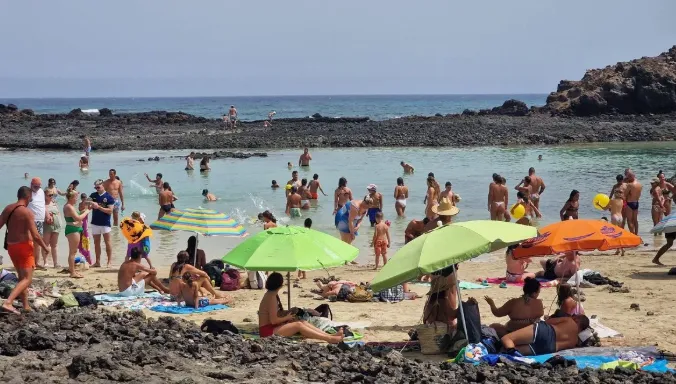
El Islote de Lobos, a pristine jewel off the coast of Fuerteventura, is becoming increasingly overwhelmed by the sheer volume of visitors. This tiny island, renowned for its stunning landscapes and rich biodiversity, is at a crossroads. As the popularity of natural spaces grows, the delicate balance between preservation and tourism faces significant challenges.
Visitor Pressure: A Community Concern
A recent survey conducted by the Cabildo de Fuerteventura reveals that a staggering 72.1% of respondents believe the island’s protected natural areas are being overrun with visitors, particularly during weekends and summer months. This concern echoes the voices of local residents—91.6% of the survey participants were from the area, highlighting a local perspective deeply intertwined with the island’s ecology and culture.
But the apprehension doesn’t stop with the summer influx. Even in off-peak seasons, 44.7% of participants still perceive an excessive number of visitors, with another 23.7% stating that the presence of people remains high. This persistent crowding signifies a critical need to rethink how Fuerteventura balances its ecological integrity with tourism demands.
Key Issues: Regulation and Conservation
Many residents expressed specific worries regarding how visits to natural spaces are monitored and regulated. They emphasized the necessity for increased vigilance, enforcement of existing regulations, and greater overall conservation efforts. El Islote de Lobos consistently emerged as a focal point in these discussions. Concerns about its carrying capacity—the maximum number of visitors the island can sustainably accommodate—underscore the urgency of addressing visitor management and environmental protection.
The Role of Surveys and Future Planning
This community feedback is not just anecdotal; it serves as a foundational aspect of developing conservation strategies. The survey is part of a broader initiative to create management plans for key natural parks on the island, including Jandía, Corralejo, and El Islote de Lobos, along with the Parque Rural de Betancuria. These plans are designed to create a framework that allows guests to enjoy Fuerteventura’s natural beauty while ensuring that the environmental health of these spaces is protected.
Awareness and Compliance
Interestingly, the survey also uncovered significant insight into public awareness regarding the limitations of these natural spaces. An impressive 88.3% of participants claimed they know about existing regulations, yet only 68.2% were aware of the potential repercussions of ignoring these rules. This discrepancy raises important questions about how effectively conservation messaging reaches visitors and the local population alike.
The Complex Balancing Act Ahead
As the island grapples with these complex issues, the conversation around El Islote de Lobos exemplifies the broader tension facing many natural spaces around the world. Ensuring the longevity of such precious ecosystems requires not just regulations but also community involvement, education, and a culture of respect for the natural world.
In conclusion, as the allure of Fuerteventura continues to draw visitors from near and far, the challenge becomes one of stewardship. By fostering a deeper understanding of the need for balance between access and preservation, and encouraging responsible tourism, the island can safeguard its natural treasures for future generations.