The Return of the Mediterranean Monk Seal to Spain
The year 2019 has the potential to mark a significant milestone in the conservation of marine life in Spain, particularly for the critically endangered Mediterranean monk seal, scientifically known as Monachus monachus. After the last sighting of the species in Spanish waters in the early 1980s, efforts are being ramped up to reintroduce these remarkable marine mammals.
A Promising Habitat: Fuerteventura
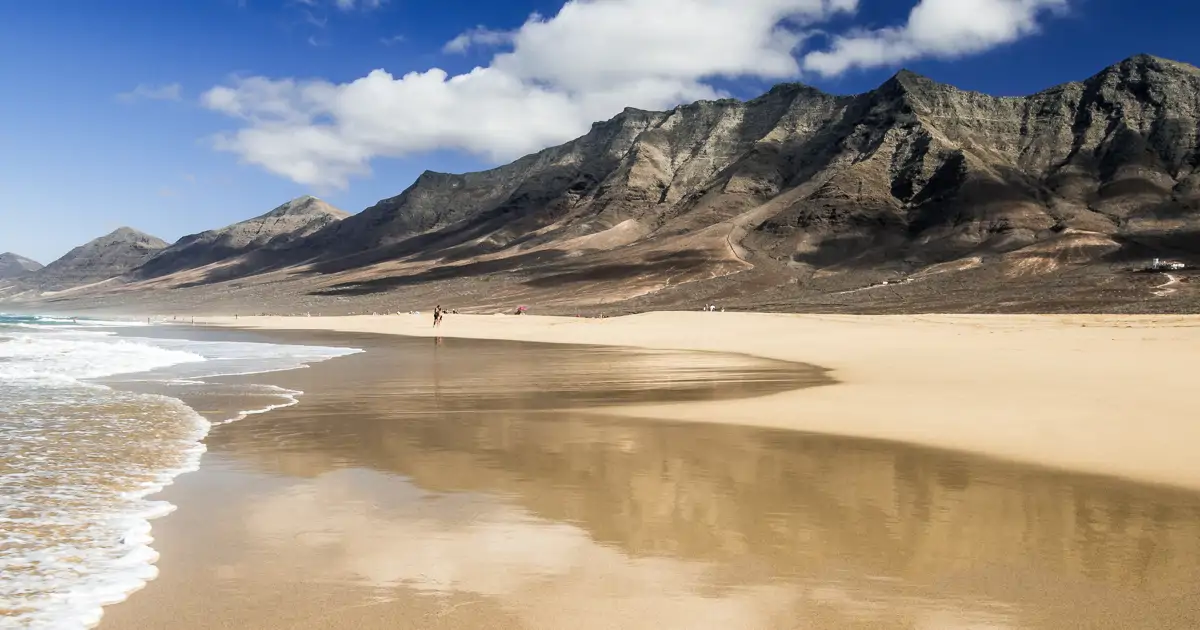
The Spanish Ministry for Ecological Transition is finalizing plans to reintroduce monk seals on the Canary Island of Fuerteventura. Specifically, they are targeting the Jandía Natural Park, which has been identified as an optimal location. The region boasts a well-preserved coastline and abundant food resources, which are crucial for the survival of a new seal population. The coastal area is relatively free from human interference, making it an ideal cradle for the monk seal’s revival in the region.
Genetic Diversity and Conservation
This new population of monk seals will be established using specimens relocated from the Cabo Blanco region in Mauritania, home to the largest colony of monk seals worldwide. The introduction of these seals in Fuerteventura is not just a local effort but a strategic move in the broader context of global conservation. It aims to create a genetic bridge between the populations in Cabo Blanco and those in Madeira, Portugal, underscoring the importance of genetic diversity in ensuring the species’ long-term survival.
Historical Context: Human Persecution
The monk seal’s decline in Spain can largely be attributed to human activities. Historical over-exploitation, habitat destruction, and disturbance from fishing and tourism have significantly reduced their numbers. Technicians from the Ministry recently presented a demographic viability study in Fuerteventura as a precursor to the definitive reintroduction plan. The last known breeding colony in Spain was located in Cabo de Gata, Almería, which faded away in the 1960s due to similar threats. By the early 1980s, the species was declared extinct in Spanish waters.
International Collaboration
The reintroduction plan is bolstered by international collaboration, particularly an agreement signed in 2015 between Spain and Mauritania. This agreement allows for the transfer of an undetermined number of monk seals—potentially 36 over the next decade—while also focusing on the recovery of four Sahelo-Saharan antelope species in Mauritania.
Trace Echoes of the Past
Though sightings of the monk seal in places like Mallorca have been recorded, they have yet to reclaim their natural habitats. Coastal locales across Spain still bear names that echo their historical presence, such as Isla de Lobos and Cueva Lobos in Mazarrón, Murcia. Residents of these areas often recount tales of seals resting in nearby rocky outcrops as late as the 1950s, memories that remind us of what has been lost.
A Broader Conservation Effort
The monk seal is among the third species targeted for reintroduction in Spain, following the Iberian lynx and the Eurasian beaver. It highlights an ongoing commitment to restoring ecosystems by bringing back species that were once native to Spain. The monk seal is now included in Spain’s first list of species extinct in the wild, approved by the Sectoral Conference on the Environment in June 2018. This list emphasizes the urgency of collaborative conservation efforts, as it also encompasses other endangered species like the European sturgeon and various species of native plants.
A Future Full of Hope
The campaign to reintroduce the monk seal is much more than a local initiative; it embodies a sense of collective responsibility towards environmental stewardship and biodiversity conservation. The hope is that this ambitious program will not only give the Mediterranean monk seal a second chance in Spanish waters but also inspire other similar initiatives across the globe.