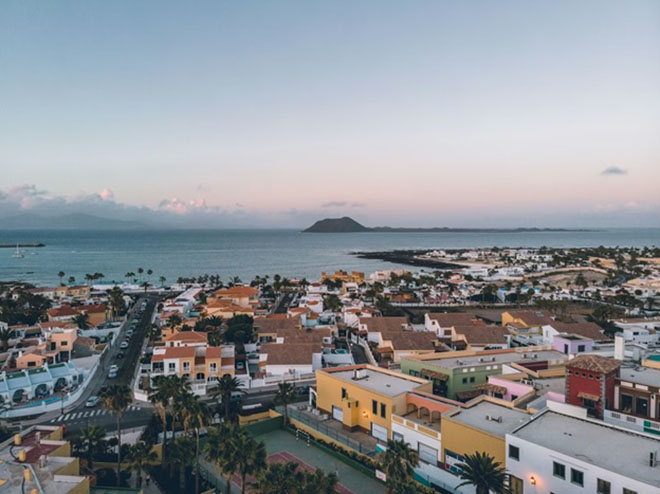
Fuerteventura, known as the tranquil island of the Canaries, truly lives up to its reputation. As the second largest island in the archipelago, it offers a rare blend of space, silence, and a deeper connection to the stunning landscapes that invites visitors to slow down and appreciate the moment. With its breathtaking white-sand beaches, the iconic dunes of Corralejo, dramatic southern cliffs, and the constant winds that make it a haven for windsurfing and kitesurfing, the island’s natural environment stands as its primary leisure offering.
Moreover, Fuerteventura is not just a leisure paradise; it is home to a vibrant society of over 120,000 residents. These inhabitants are distributed across towns like Puerto del Rosario, Corralejo, and Morro Jable, each bringing its unique rhythm and perspective on leisure activities and community life.
Tourism: The Economic Heartbeat
Unquestionably, tourism is the economic engine of Fuerteventura. Every year, the island attracts millions of visitors, predominantly from northern Europe, drawn in by its wonderful climate, stunning beaches, and exceptional water sports opportunities. This tourism-focused development has led to the establishment of a robust infrastructure of hotels, restaurants, and nightlife, particularly in Corralejo and the southern regions. However, this development coexists with the daily lives of the locals, sometimes creating tension but often enhancing the cultural tapestry of the island.
The local majoreño population cherishes its unique traditions and cultural festivities, which are not always accurately represented on the tourist calendar. Events such as the patron saint festivals, the Week of Crafts, the Carnival of Puerto del Rosario, and cultural activities organized by local centers provide community leisure opportunities that resonate more with residents than with tourists. Nonetheless, visitors fortunate enough to experience these events at the right time can partake in these vibrant celebrations.
Active Tourism and Natural Attractions
Beyond its idyllic beaches, Fuerteventura boasts a diverse array of active leisure options that have experienced considerable growth in recent years. Hiking through the island’s interior canyons, birdwatching at the wetlands of the salinas, cycling along routes that weave through volcanic landscapes, or exploring inland villages like Betancuria—once the island’s capital—are all activities that connect visitors and residents to facets of Fuerteventura inaccessible from the coastal resorts.
Protected areas such as the Natural Park of Corralejo and the Natural Park of Jandía concentrate some of the most spectacular landscapes in the Canary Islands. These areas serve as biodiversity corridors where the island’s pristine nature flourishes without the constraints imposed by mass tourism in other regions.
Digital Connectivity and Home Entertainment
Like many Atlantic islands, Fuerteventura has seen significant changes in entertainment habits driven by digital connectivity. The geographical distance from the mainland once limited access to certain cultural products and services, but the rapid expansion of fiber optic networks and high-speed mobile coverage has nearly eradicated these limitations across most populated areas.
Local residents engage with digital entertainment in ways similar to mainland Spain: audiovisual streaming, video games, podcasts, and interactive platforms have all become integral parts of their leisure time. In this digital age, accessing an online casino in Spain, regulated by the DGOJ, feels as natural as subscribing to other entertainment services. This diverse digital menu allows Fuerteventura’s residents to enjoy a quality of leisure experience comparable to that of inhabitants in Madrid or Barcelona.
A Forward-Looking Island with a Strong Identity
Fuerteventura faces challenges that are typical for tourist islands across the archipelago, including territorial pressure, water management, and the delicate balance between economic development and landscape preservation. Yet, the island approaches these issues with an identity that the majorero residents uphold with quiet determination and consistency.
Ultimately, leisure in Fuerteventura is as varied as its population, embodying a fusion of Canary Island traditions, continental influences, international tourist culture, and digital entertainment. This synthesis allows the island to thrive as a multifaceted entity while remaining true to its unique essence.