Fostering Transparency in Fuerteventura’s Local Governance
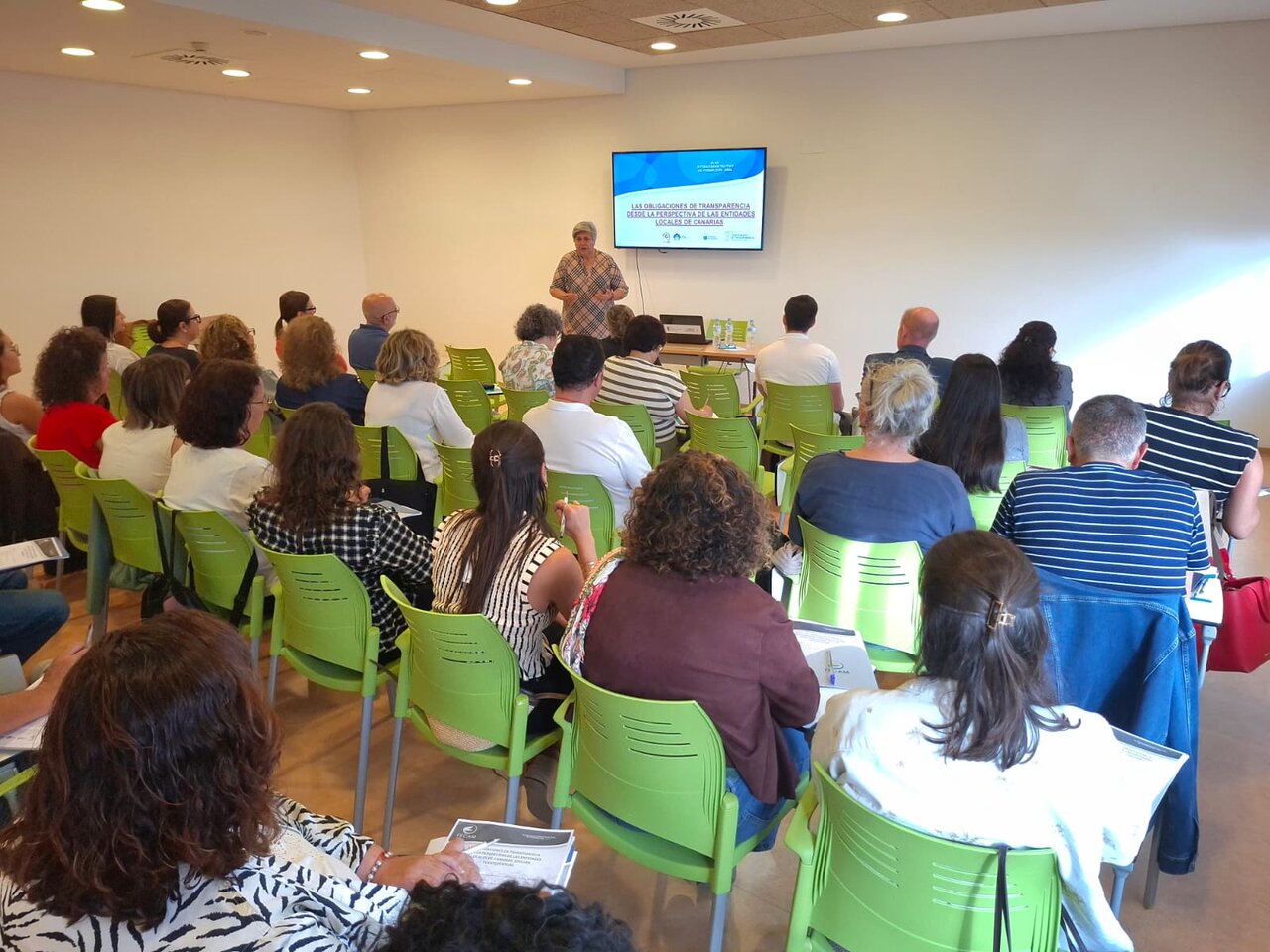
The recent training sessions entitled “Las obligaciones de transparencia desde la perspectiva de las entidades locales de Canarias,” organized by the Commissioner for Transparency of the Canary Islands in collaboration with the FECAM, have sparked critical discussions on transparency obligations in local governance. Held in Fuerteventura, the event aimed to equip public officials and technical staff of local administrations with the necessary tools to enhance transparency in their operations.
Key Participants and Objectives
The training brought together key figures in the realm of governance, including Noelia García, the Commissioner for Transparency of the Canary Islands, alongside service heads from the commission: Miguel Ángel Herrero, responsible for Evaluation and Control of Transparency, and Teresa Casanova, head of the Service for Complaints and General Affairs. Their collective expertise provided participants with a rich foundation for understanding the complexities surrounding transparency obligations.
The sessions focused primarily on the challenges presented by the current transparency regulations, emphasizing Fuerteventura’s unique context. While the latest data shows some progress in transparency efforts, it also reveals significant areas needing improvement, inviting participants to engage with and address local issues.
Evaluation of Transparency: Insights and Results
A noteworthy segment of the training involved the evaluation of local institutions concerning their transparency measures. In relation to the 2024 evaluations, 41 private entities on the island were scrutinized. Alarmingly, 15 organizations failed to meet their transparency obligations. Conversely, a couple of entities emerged as front-runners, achieving the highest score of 10, thereby setting benchmarks for others to aspire to. However, three organizations received failing grades, underscoring the need for concerted efforts to uplift standards across the board.
When considering the public sector, the Cabildo de Fuerteventura stands out with an impressive score of 9.28, solidifying its position as a model for transparency. This notable achievement contrasts with the municipal level, where significant weaknesses have been identified.
The Municipal Landscape: A Mixed Bag
The analysis also indicates a troubling trend among municipalities in Fuerteventura, where the average transparency rating lingers just above 6, marking the lowest scores in the Canary Islands. Particularly concerning is Betancuria, the only municipality in the entire archipelago to fail in meeting transparency requirements.
On a more encouraging note, Puerto del Rosario stands out as the only local authority earning a notably high mark. This points not only to the potential within the municipal framework but also to the necessity of sharing best practices among jurisdictions to foster a culture of accountability and openness.
The Path Forward
The discussions held during this training initiative will serve as a catalyst for further engagement among local authorities. It emphasizes the shared responsibility of all stakeholders in promoting transparency, ultimately enhancing the quality of governance in Fuerteventura and beyond. As the island grapples with the challenges of compliance, the insights from these sessions are expected to lead to actionable strategies for improvement, enabling local administrations not only to meet but exceed expectations.