Exclusive Access for Superheroes: A Peek Behind the Scenes of “Wonder Woman 1984”
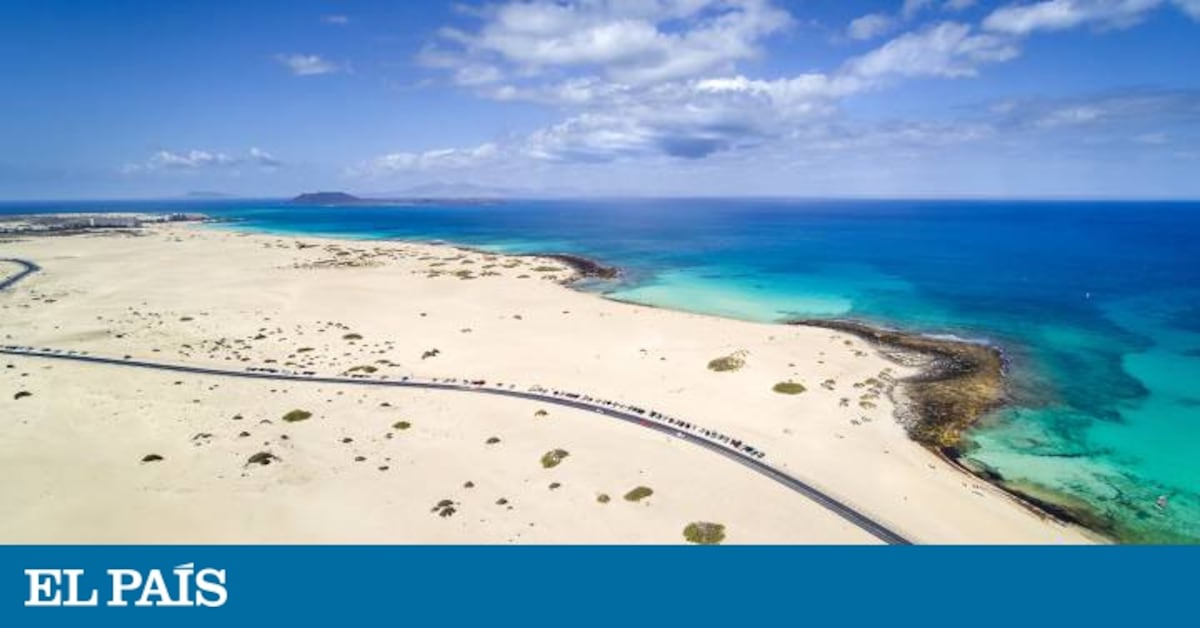
The picturesque beaches of the Dunas de Corralejo in Fuerteventura will soon be accessible only to those donning capes and tights. As part of the filming of Wonder Woman 1984, the sole road leading into this protected area, FV-104, is set to close temporarily from this Friday until October 6. The closure, mandated by the local government comprising the Coalition Canarias and PSOE, has sparked a heated debate among locals, businesses, and environmentalists alike.
Official Closure Details
The Fuerteventura government officially ratified the road closure in a document dated July 30. Stretching approximately 11 kilometers in the municipality of La Oliva, the closure aims to facilitate a study on the socio-economic impact of this move during the peak tourist season. The government asserts that this research is crucial to prevent a permanent road closure, a decision originally enforced in 2005 as a necessary action contingent on the completion of the FV-1 highway, projected for 2019.
With about 27,000 residents in La Oliva, coupled with more than 16,000 tourists visiting between August and September, the community’s response to this shutdown is understandably significant. The local administration communicated the road’s temporary closure to the Fuerteventura Tourism Board on August 2.
The Wonder Woman Production
Preparations for the filming of Wonder Woman 1984 are already underway, with infrastructure being set up in the protected area. Edilia Pérez, the island’s Councillor for Works and Roads and the head of the Fuerteventura Film Commission, stated that Warner Bros initiated the necessary arrangements at the beginning of the year. The production has been on the island for about six weeks, conducting auditions and preparing sets, although actual filming is not anticipated to commence until September.
Local authorities have issued a filming permit for 11 days, acknowledging that the presence of a high-profile film crew brings considerable financial advantages. They estimate that this production could inject around 20 million euros into Fuerteventura’s economy.
Local Concerns and Protests
Community pushback against the road closure is palpable. Rafael Méndez, a resident and attorney representing a local advocacy group, criticized the government for what he perceives as the privatization of a public resource. He emphasized that the road closure creates unnecessary challenges for locals, who will face longer travel distances and increased congestion—especially affecting those without personal transportation.
Méndez contends that shutting down the road is not essential for assessing its environmental impact, arguing that the real concern lies in the potential harm to the dunes during filming. His sentiments are echoed by other local residents who feel blindsided by the abrupt notification of the closure.
To alleviate some of the disruption, the government plans to enhance public transportation during the road closure, linking Parque Holandés and Corralejo.
Economic Perspectives from Local Business
Antonio Vicente, president of the island’s hotelier association, raised concerns about the impact on tourists unable to access the Dunas beaches. He argued that a less disruptive period could have been selected for the planned study. Nevertheless, Vicente acknowledges the economic benefits of hosting a substantial film production, even as he emphasizes the importance of maintaining access to public attractions.
Political Fallout and Criticism
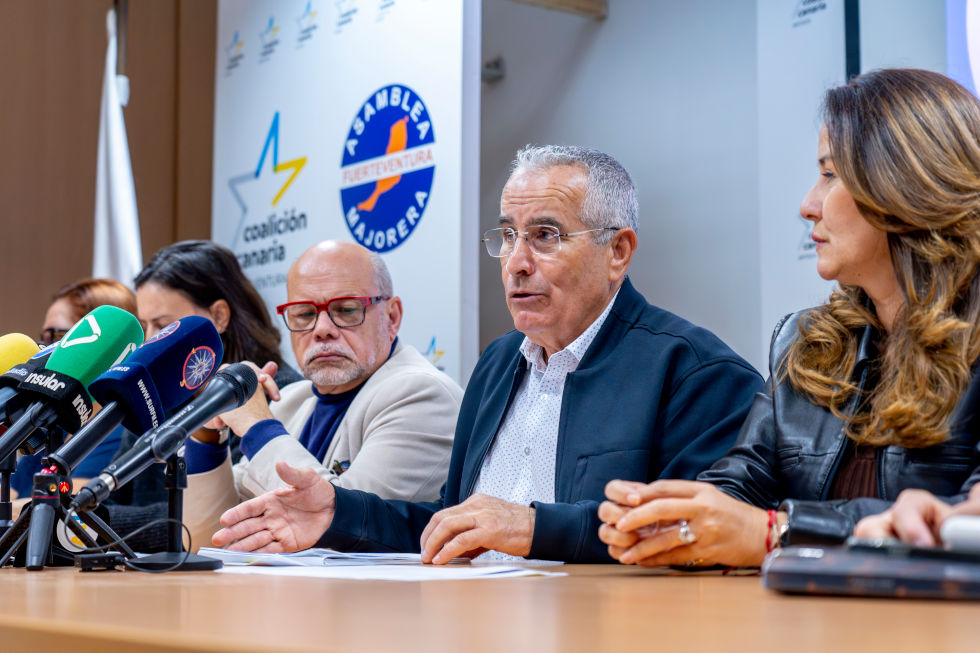
The closure has ignited political controversy, uniting opposition parties—including the Popular Party, Nueva Canarias, and Podemos—in their critique of the government’s management of this situation. They support the growth of the film industry in Fuerteventura but accuse the government of opportunism in granting the production exclusive access to public spaces.
Fernando Enseñat from the Popular Party described the reasoning behind the closure as “absurd,” particularly given the timing and the needs of both residents and tourists.
Environmental Implications
Initially, the closure of the road was positioned as a compensatory measure in response to environmental concerns over the new highway’s impact on protected species like the hubara. Blanca Pérez, the Vice Minister of the Environment of the Canary Islands Government, asserts that any future studies should ensure ecological sustainability alongside economic viability.
However, the specifics surrounding the imminent closure and the socio-economic study have raised questions. There’s no explicit mention in governmental communications that the closure will serve to assess environmental impacts, which has fueled local mistrust.
A Tale of Two Interests
As the government moves forward with plans for the film, concerns over transparency persist. Pérez notes that the timing of the filming request coinciding with the road closure plans aims to minimize disruptions. She, along with La Oliva’s mayor, admitted that communication regarding the closure could have been improved.
While Warner Bros has chosen to remain tight-lipped regarding the filming details, the unfolding drama around the Dunas de Corralejo serves as a captivating intersection of culture, economy, and community interests—a delicate balancing act that highlights the complexities of modern filmmaking amid public concerns.