El Museo Arqueológico de Fuerteventura: A New Chapter for Island Heritage
The Archaeological Museum of Fuerteventura has recently opened its doors in Betancuria, marking a significant moment after five years of anticipation. This new building promises not only a display of the island’s rich history but also an innovative program filled with future projects. As stated by the island’s Cultural Councilor, Andrés Briansó, “We have the museum that Fuerteventura needs right now, an island rich in archaeological finds and studies.”
A New Beginning in a Modern Space
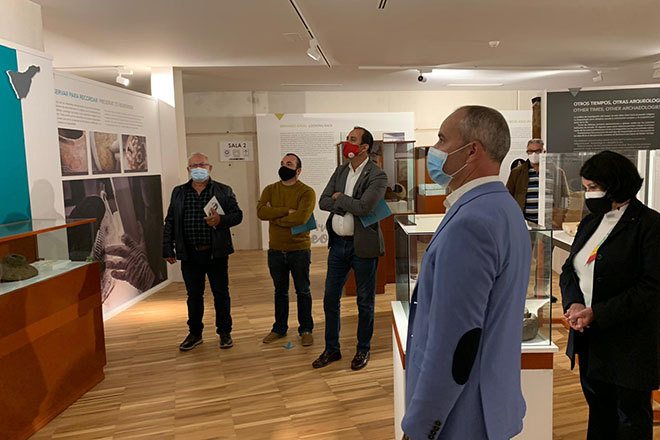
The original house museum in Betancuria closed its doors in 2015. Today, visitors are welcomed into a contemporary space led by director Luis Lorenzo Mata. The museum’s reopening is celebrated with four compelling temporary exhibitions, the first of which, titled Fuerteventura Arqueológica. Donde empieza nuestra historia (Fuerteventura Archaeology: Where Our History Begins), sheds light on the significance of the Roman site discovered on the islet of Lobos, dating back to between the 1st century BC and the 1st century AD.
This site is believed to have been involved in the production of Getulian purple dye, a highly sought-after product that made its way to Rome from the northern African territories, particularly those in what is now western Morocco. Experts argue that this discovery places Fuerteventura and Lanzarote among the “purple islands” of antiquity, highlighting their historical relevance.
Unearthing History
The findings from Lobos include ceramic fragments along with a wealth of Stramonita haemastoma (purple), displaying anthropogenic fracture patterns indicative of a sophisticated society. Mata notes that historical accounts from the time of conquest describe a notable livestock economy on the island, producing excellent cheeses. This newfound evidence, therefore, significantly revises Fuerteventura’s history.
The arrival of the Romans brought skilled laborers and slaves, which changed the demographic structure profoundly, as noted by Mata. He emphasizes that upon encountering the Norman conquerors, they found a developed and stratified society already knowledgeable about goat husbandry.
Fascinating Burials
One of the highlights of the opening exhibition is an anomalous burial discovered at Solana del Cuchillete in the Valley of Los Canarios, Pájara. This burial differs from typical Berber practices and presents a unique arrangement of bodies and offerings.
Four individuals were found—two adults in their original positions and an adult with a child who had been displaced. The artifacts alongside them, including ceramics and faunal remains, suggest a ritualistic offering likely intended for the deceased. These remains date back to the 10th to 13th centuries, raising further questions about cultural practices on the island.
A particularly striking find was violent indicators of death, such as skulls with signs of trauma discovered in La Tonina (La Oliva), hinting at violent encounters during the 11th and 12th centuries. This discovery raises intriguing discussions about societal conflicts at the time.
The Podomorphs of Tindaya
Essential to the museum’s narrative are the podomorph carvings found on the Montaña de Tindaya. A total of 213 engravings have been cataloged, with 57 panels showcasing foot-shaped carvings, created using various techniques. These remarkable artifacts are thought to have served many functions, such as marking legal agreements, performing rituals, or celebrating fertility and rainfall—theories that gain traction with the potential connection to winter solstice events.
The site is not just about the carvings; numerous archaeological fragments, including stone mounds and ash remains, contribute to its significance.
Rediscovering Pottery
The second exhibition, Retos/restos para un museo (Challenges/Remains for a Museum), delves into numerous ceramics, exploring the museum’s past, present, and future while emphasizing conservation, research, and dissemination. Director Mata underscores the exceptional quality of indigenous Fuerteventura ceramics, noting a surprising presence of lime in the pottery styles once thought to be sandstone-based. This leads to the question: who taught the island’s inhabitants to use lime, even if it required lower combustion temperatures? Again, the influence of Rome comes into the conversation.
Visitors are also treated to a 3D experience of the Cueva de Villaverde, one of Fuerteventura’s most significant sites, which continues to be researched. Excavations from the 1970s hold valuable insights that are now needing to be cataloged and analyzed for further understanding.
Chronicles of Faith and Photography
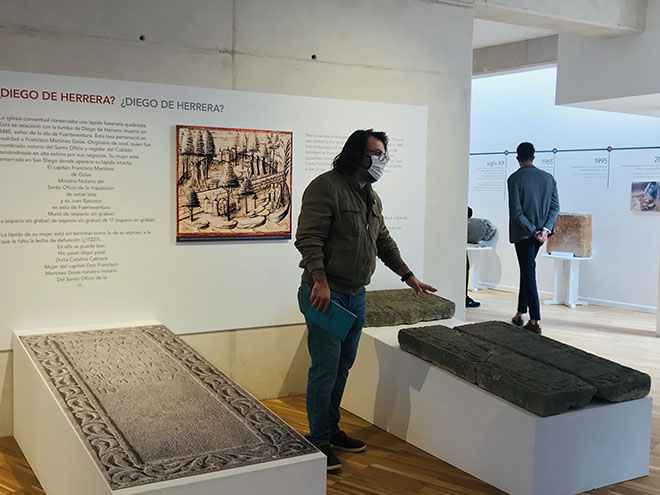
The third exhibition, Betancuria. La Fe en la piedra (Betancuria: Faith in Stone), explores the impact of the Franciscan order in the Canary Islands. It also showcases findings from archaeological excavations conducted between 2018 and 2020 at the Franciscan convent of San Buenaventura, revealing the complex history of this significant site.
The final showcase, Huellas (Footprints), features a collection of photographs by Tarek Ode, encapsulating his unique perspective on Fuerteventura’s cultural heritage. This visual representation complements the narrative of the island’s archaeological richness and diverse history.
The opening of the Archaeological Museum of Fuerteventura is not just a celebration of its past, but a look into the future of heritage, education, and the preservation of the island’s unique story. With a robust program of exhibitions and research, it stands as a pillar of cultural identity for Fuerteventura and beyond.