The Demolition of Josefa Hernández’s Home in Fuerteventura: A Controversial Saga
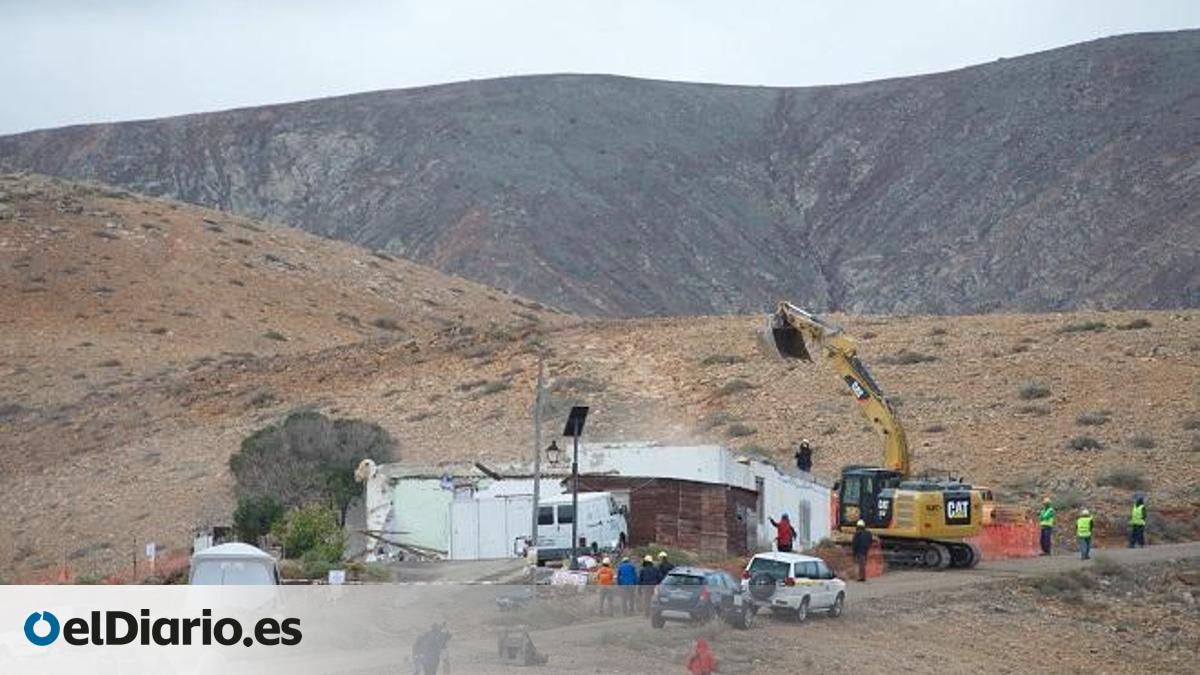
This past Tuesday, the Agencia de Protección del Medio Urbano y Natural (Apmun) executed the demolition of Josefa Hernández’s home in Betancuria, Fuerteventura. Infamously known as the “Abuela de Fuerteventura,” Josefa’s case has captured public attention due to its dramatic and emotional undertones.
Background of the Case
Josefa’s home, which stood on land deemed protected, was subject to a judicial demolition order. This action stems from an extensive legal saga that dates back over a decade. Initially, the property attracted scrutiny from the Guardia Civil in 2012 for its illegal construction. A local court determined that her home violated environmental regulations, leading to her conviction for a crime against the environment.
Legal Ramifications
Josefa was sentenced to six months in prison, alongside a fine of 700 euros and an order to demolish parts of her home that were constructed without proper permits. Despite paying the fine, the emotional and practical ramifications of the sentencing hit a nerve as she struggled to find suitable housing for her family. Josefa claimed she had no other place to stay, relying on her home to shelter herself, her daughter with a disability, and three young grandchildren.
Notably, her prison sentence garnered widespread public sympathy and became a focal point of media coverage, especially after her subsequent incarceration in Tahíche prison in August 2015. Even political figures, including the then-Prime Minister Mariano Rajoy, publicly expressed concern and indicated support for her situation.
The Demolition Process
The demolition, carried out Tuesday morning, was heavily monitored by civil guards, reflecting the serious nature of the operation. Josefa and her family reportedly did not attend, perhaps due to the emotionally taxing nature of their situation and the potential for confrontation.
Josefa’s house, located in the Campo Viejo area, had been scrutinized for unauthorized extensions since they were completed without necessary permits. The Apmun received judicial approval to proceed, implementing the court’s order to restore environmental integrity to the protected area.
Josefa’s Current Living Situation
After her release from prison, Josefa and her family were relocated to a government-subsidized home in Puerto del Rosario. While this arrangement offers some stability, Josefa expresses understandable distress about her new living situation. She worries about losing the house and fears that the temporary shelter may not be a permanent solution, a sentiment that many can relate to.
“I don’t pay rent now, but what if they come and tell me the house was lent for a time?” she said, capturing the precariousness many families face in situations of housing uncertainty.
The Community’s Reaction and Broader Implications
The community’s response has been mixed, with many expressing sympathy for Josefa. Her daughter, Minerva Zerpa, voiced discontent regarding the decision to demolish not just the additions but also parts of the original structure. “They told us that we wouldn’t have to tear down the wooden house attached to it, and now they want to take that too,” Minerva lamented, emphasizing the confusion and frustration stemming from evolving legal decisions.
As horror grew within the family, Josefa lamented that while her home was taken down, numerous illegal hotels and chalets continue to operate unimpeded in the region. “I don’t even have enough to eat, yet my home is demolished,” she contended, raising questions about the effectiveness and fairness of environmental regulations.
Josefa’s Story – A Struggle for Stability
Josefa’s journey began in 1995 when she returned to Fuerteventura, seeking to create a loving home for her family in the house inherited from her parents. Her decision to expand the property to accommodate her daughter and grandchildren garnered scrutiny years later, leading to the legal entanglements that haunt her to this day.
As a community member, Josefa’s case underscores the often-complicated relationship between individual rights, environmental protections, and the importance of public discourse surrounding housing. The sentiment of injustice resonates widely among locals who empathize with her plight, seeking to reconcile community needs with regulatory frameworks.
A Continuing Journey
Despite the closure of her home, Josefa’s fight for her family’s legacy continues. Whether through advocacy, public support, or policy changes, her story serves as a poignant reminder of the challenges faced by individuals when navigating the intricacies of housing laws—especially those living on the edge.
As the dust settles on the demolition, what becomes of Josefa and her family remains to be seen—an evergreen narrative of perseverance amid turbulence.