The Ongoing Challenge of Untamed Goats in Fuerteventura’s Agriculture
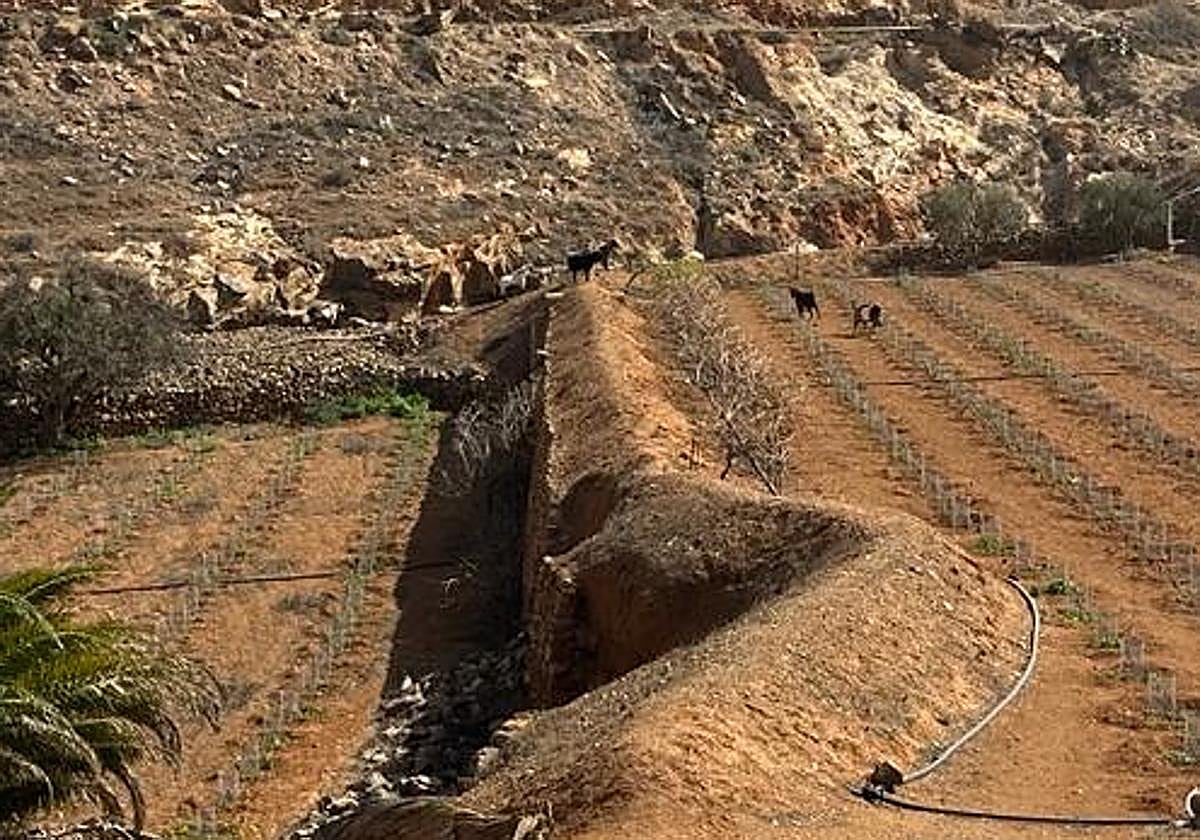
In the serene landscapes of Fuerteventura, specifically in Valle de Santa Inés, the tranquility of agricultural life has been disrupted by an all-too-familiar culprit: goats. Just the other day, the owners of El Majuelo witnessed the devastation that fifteen free-roaming goats inflicted on their cherished crops. This incident, reported to the local police, underscores a recurring issue—one that threatens years of hard work, care, and irrigation dedicated to fruit-bearing trees.
The goats, known for their insatiable appetite, wreak havoc not just at El Majuelo but also in other areas like Campo Viejo and Virama. Residents are at their wit’s end, grappling with the aftermath of these uninvited agricultural visitors. As certain landowners look at their withering fig and pear trees, they can’t help but feel an overwhelming sense of loss that is all too common across the region.
Impacts Beyond Betancuria
Interestingly, this problem isn’t confined to Betancuria alone; it extends across the entirety of Fuerteventura. Anytime farmers plant fruit trees or cultivate crops, they face the looming threat of marauding goats. The reality is stark: agriculture and local flora are in a constant battle against these untamed animals. Even the remote and protected areas, such as the Pico de la Zarza in Jandía National Park, aren’t safe. The remnants of a barely-there fence do little to safeguard the endemic vegetation from the appetites of these wild goats.
Urging Compliance with Local Ordinances
The widespread outcry from the agricultural community includes a pressing demand for the enforcement of municipal ordinances aimed at controlling unchecked livestock. These regulations not only mandate penalties for negligent goat owners but also propose organized efforts, known as “apañadas,” to trap goats wandering into private lands. Such initiatives are crucial for restoring balance and ensuring that farmers can reap the rewards of their labor without fear of losing it to goats.
A Selective Palate: What the Goats Ignore
Interestingly, while the goats devoured almost everything in their path at El Majuelo, they miraculously left the almond trees alone. This selective grazing is perplexing, offering little comfort to the devastated farmers. In addition, even the once-regarded prickly pears fell victim to the relentless appetite of these free-roaming animals. Seeing half-eaten plants starkly highlights the goats’ willingness to wreak havoc without regard for the effort invested by local farmers.
The Broader Agricultural Landscape
As farmers throughout Fuerteventura face the stark choice of either surrendering to nature’s whims or also trying to find humane ways to protect their crops, the overarching narrative of agricultural resilience begins to take shape. From the rolling fields of Betancuria to the rugged terrains of Jandía, it’s clear that community cooperation and adherence to local laws could very well be the key to alleviating this long-standing issue.
In summary, the ongoing struggle against uncontrolled goats is not just an isolated problem but a regional dilemma that sows distress among Fuerteventura’s agricultural community. As farmers unite in hope for solutions, their plight sheds light on the intricate balance between farming, wildlife, and community responsibility in this beautiful part of the Canary Islands.