The Barbary Ground Squirrel of Fuerteventura: A Case Study in Invasive Species
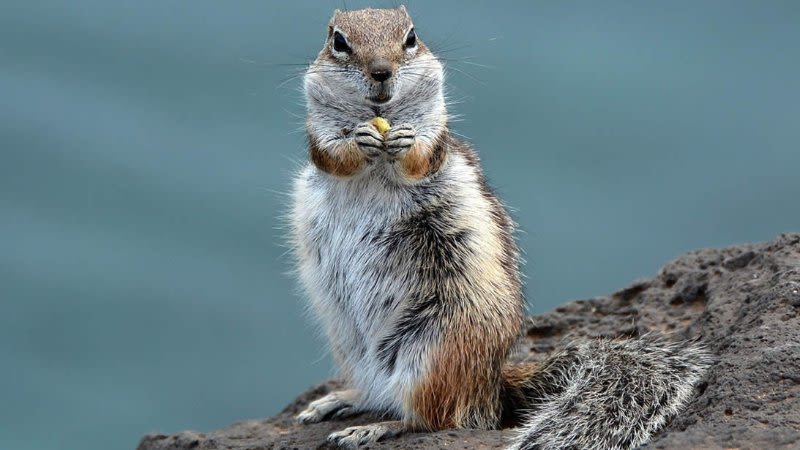
The Barbary Ground Squirrel has made an unexpected home in Fuerteventura, an island known primarily for its stunning beaches and pristine landscapes. Originally native to regions in North Africa, including Western Sahara, Morocco, and Algeria, these squirrels were imported to the island over four decades ago as pets. While they may be adorable with their bushy tails and energetic antics, they are classified as an invasive species in this unique ecosystem.
A Brief History: How They Got Here
The journey of these squirrels to Fuerteventura began in 1965. A resident of the island brought a pair of them as pets; however, this decision had unintended consequences. The squirrels managed to escape or were intentionally released. Within a few short years, their population began to flourish, especially around a noticeable spike in numbers in the area of Gran Tarajal.
As the ’70s rolled around, the trend of bringing them as pets continued, leading to further releases on the island. The suited climate of Fuerteventura mirrored that of their native habitats, enabling the squirrels to thrive. Today, their impressive numbers can be counted in the thousands, with the males slightly larger than the females, and typically reaching lengths of between 15 to 22 cm.
Over the years, some specimens of the Barbary Ground Squirrel have made it to other Canary Islands such as Gran Canaria and Lanzarote. Luckily, local authorities have been able to contain their populations, preventing the explosive growth seen on Fuerteventura.
Environmental Impact: A Growing Concern
The Barbary Ground Squirrel is not just another cute critter; it is one of the few mammals currently inhabiting Fuerteventura, aside from the introduced goats. Its population explosion has raised significant concerns among conservationists and local authorities alike. These squirrels pose a threat to native flora and fauna, disrupting local ecosystems and agriculture.
Notably, driving through the island, you may encounter signs warning against feeding these little creatures. While there is no formal legislation prohibiting it, authorities recommend against feeding them to control their burgeoning population. They also advise against transferring them to other islands, as this further exacerbates their invasive status across the Canary Archipelago.
Ideal Spots to Find the Squirrels
If you’re keen to spot these charismatic creatures during your visit, you won’t have to venture far. The squirrels of Fuerteventura are widely distributed across the island, particularly in tourist-rich areas where they often receive food from visitors.
Here are some hotspots to encounter the Barbary Ground Squirrel:
-
In Corralejo, look for them along the paths leading to Clarkies bar, approximately a 15-minute walk from the harbor.
-
Caleta de Fuste offers sightings along the promenade heading towards Nuevo Horizonte.
-
Make your way to Puerto del Rosario, where they can be seen on the beach promenade near the Palacio de Formación y Congresos, a notable black building visible from Playa Chica.
-
In the southern region of the island, check the beaches of Jandia, including Mal Nombre and Esquinzo.
-
Morro Jable and the area near Playa La Pared are also prime locations to spot these squirrels.
-
Betancuria is another spot where you can catch a glimpse of the squirrels, particularly around the historic Casa de los Coroneles.
The Appeal and Cautions Around Squirrels
While these squirrels are endearing and photogenic, they come with certain health risks. Like many wild animals, they can potentially carry diseases that may affect both humans and other animals. Thus, while you may be tempted to feed them, it is essential to adhere to local guidelines and avoid doing so.
Their population is already substantially high; any additional feeding could contribute to further growth that the ecosystem may not sustain. Enjoy watching, photographing, or simply observing them from afar without engaging in feeding or interaction.