The Unfolding Controversy: Military Maneuvers and Environmental Concerns in Fuerteventura
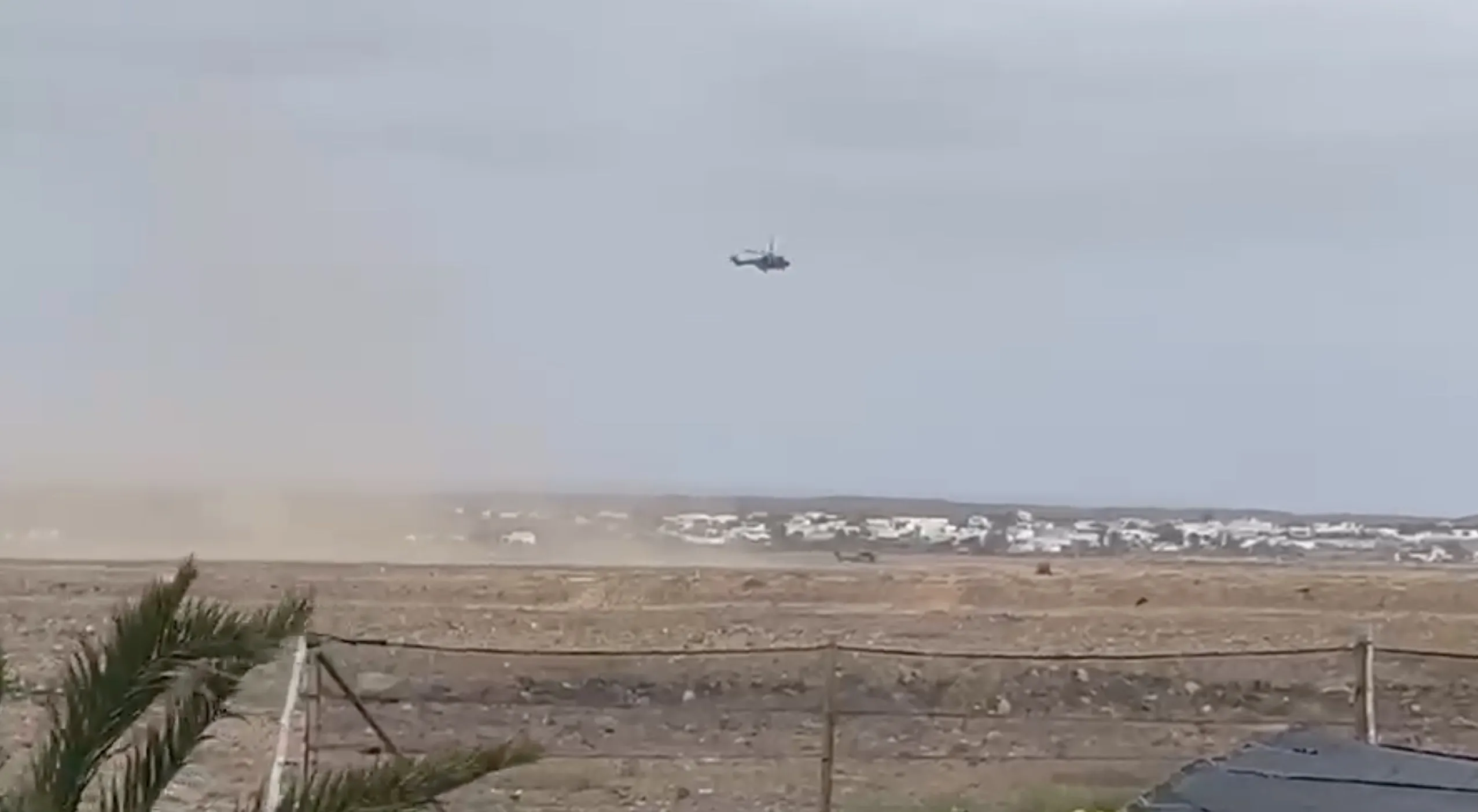
In recent weeks, an uproar has erupted on the Spanish island of Fuerteventura, driven by escalating concerns over the military’s use of the island’s delicate ecosystems for training exercises. The Asamblea Majorera – Coalición Canaria Fuerteventura (AM-CC) has publicly denounced what they describe as the misappropriation of insular territory for military operations, particularly following the landing of two helicopters in an area prone to sensitive wildlife, specifically near El Cotillo in La Oliva.
Environmental Impact and Community Concerns
Local inhabitants are expressing alarm not just due to noise pollution stemming from helicopter activity, but also because of its potential disruption to the indigenous fauna. The area in question falls within the Special Protection Zone for Birds (ZEPA), underscoring the ecological significance of this habitat. AM-CC has warned that the clamor of rotor blades and ground maneuvers can lead to severe environmental degradation, contributing to soil erosion and disturbing the fragile balance of the regional ecosystem.
In a statement, the AM-CC noted, “The noise generated by these aircraft creates significant environmental impact, contributing to soil deterioration during landing maneuvers and can disrupt the ecological balance of the area.” Such activities, they argue, not only infringe on environmental delicacies but also on the daily lives and safety of local residents, breaching regulations concerning flight altitude and operation hours.
Rising Military Presence and Temporal Precedents
The political party’s concerns are compounded by a larger trend—the potential normalization of military incursions into civilian territories. This follows the deployment of the Canarias XVI Brigade (BRICAN XVI) in May as part of ongoing national defense operations. AM-CC fears that this could set a dangerous precedent for similar exercises in the future, which could further diminish protections for Fuerteventura’s unique environment.
Communicating their apprehension, the party emphasized, “Incursions into areas not designated for military exercises should not become a routine practice in Fuerteventura.” Their position holds that such disruptions ultimately threaten both the land and its people.
Historical Context of Military Land Usurption
Critically, AM-CC has pointed to historical grievances regarding military land use. Since the establishment of the Pájara Maneuver and Shooting Range in 1973, the Ministry of Defense has seized over 4,000 hectares along the coast of Barlovento. This long history of land appropriation raises questions about the justification for further helicopter operations in regions outside specifically designated military zones. The party has asked, “What were they doing engaged in maneuvers in this area when they possess ample space specifically allocated for military activities?”
Transparency and Communication Breakdown
Another glaring concern is the perceived lack of communication from the military. AM-CC criticized the Armed Forces for not providing prior notice to either local institutions or affected citizens about the nature of these operations. This absence of transparency is viewed as a profound disrespect to the people of Fuerteventura.
The sentiment shared by AM-CC encapsulates a broader anger: “Once again, they are using Fuerteventura as their playground.” The party has historically championed the demilitarization of the island and sees these latest actions as direct assaults on the region’s environmental values and the unique fragility of its ecosystems.
Institutional Agreements and Community Action
Highlighting the discord between military activities and previous institutional agreements, AM-CC has pointed out that in recent years, local, regional, and even national administrations have made strides in environmental governance. They contest the rationale behind the military’s use of remaining island territories for operations when approximately 47 square kilometers have already been appropriated. They argue that decisions made about land usage should respect both historical context and present-day ecological realities.
In light of these events, community voices are becoming louder, calling for accountability and greater respect for Fuerteventura’s environment amidst the complex interplay of military needs and local priorities. As discussions continue, the local populace remains vigilant, eager to ensure their home does not suffer further degradation at the hands of military maneuvers that disregard its ecological treasures.